
Last updated November 24, 2026
 Sweep & inspection
 Caps & crowns
 Flue relining
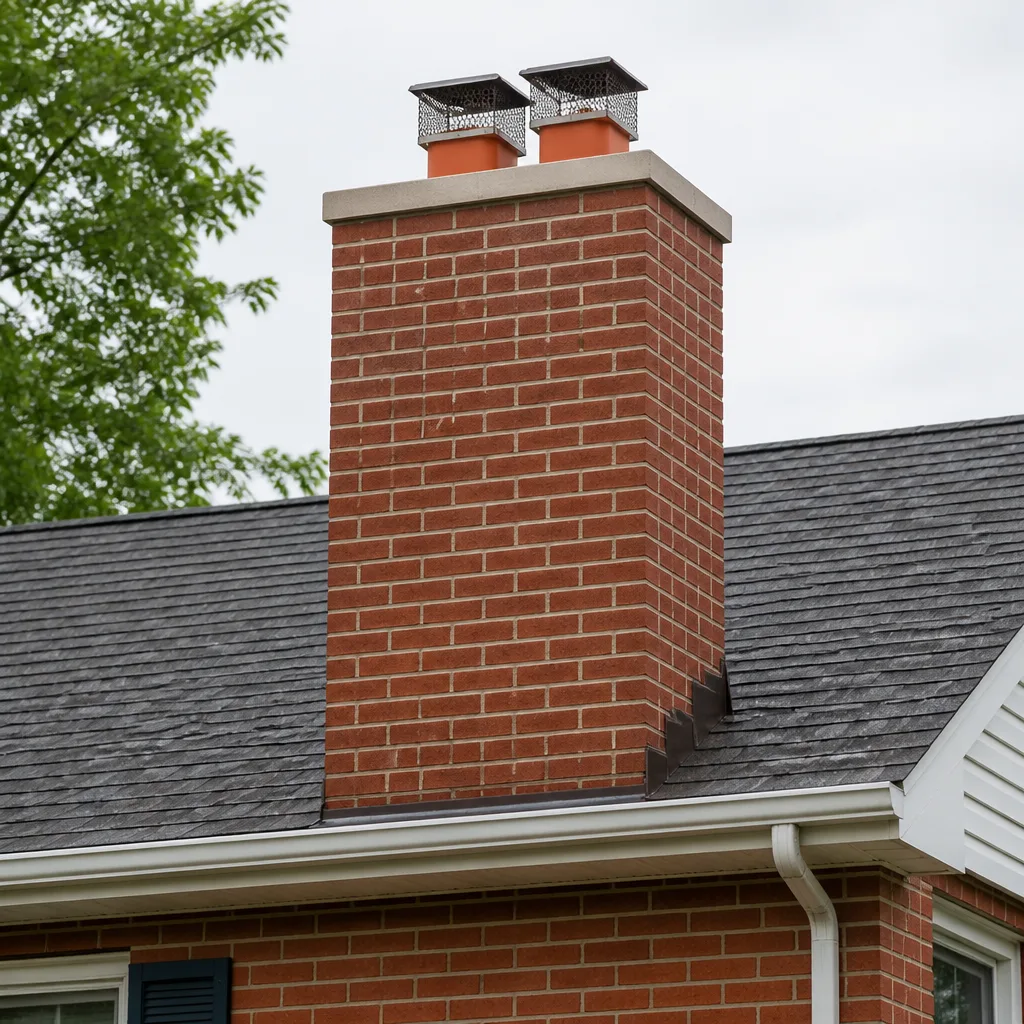 Masonry repair
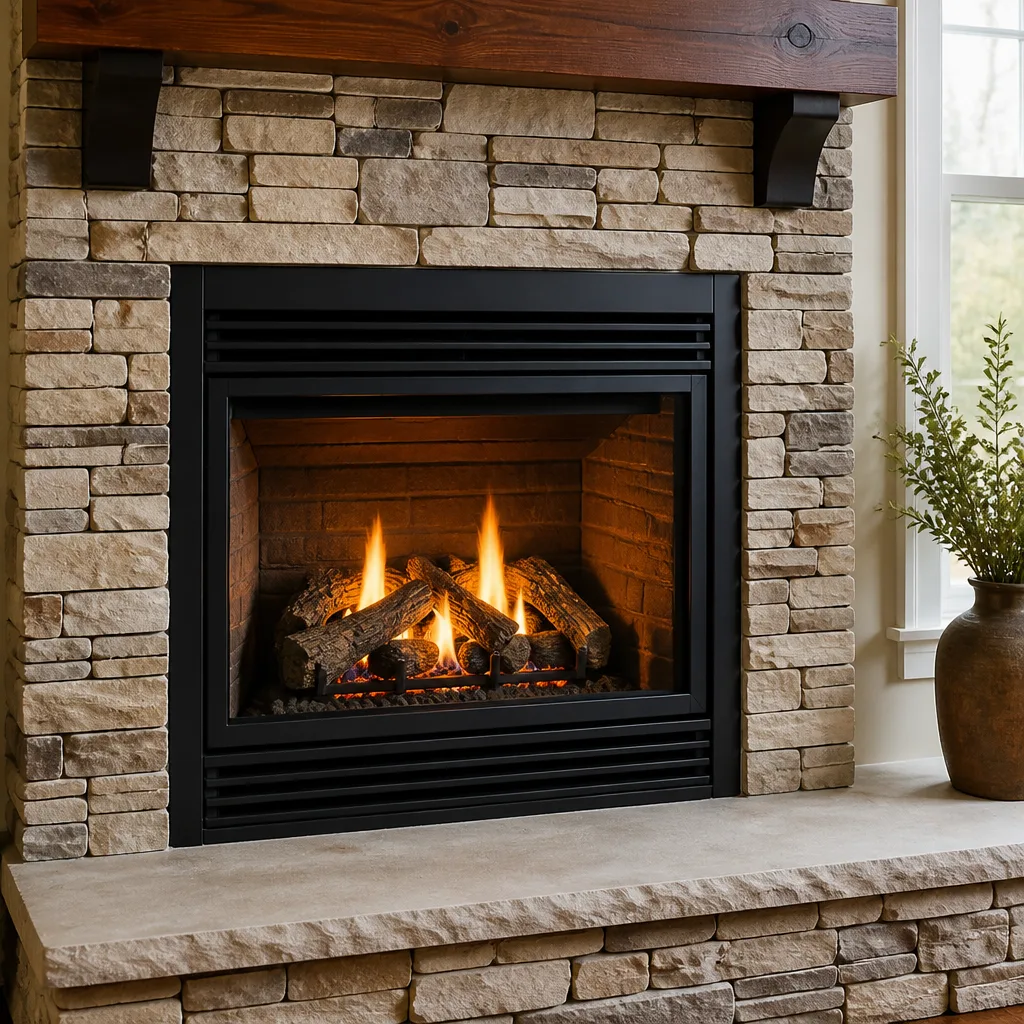 Gas fireplace service
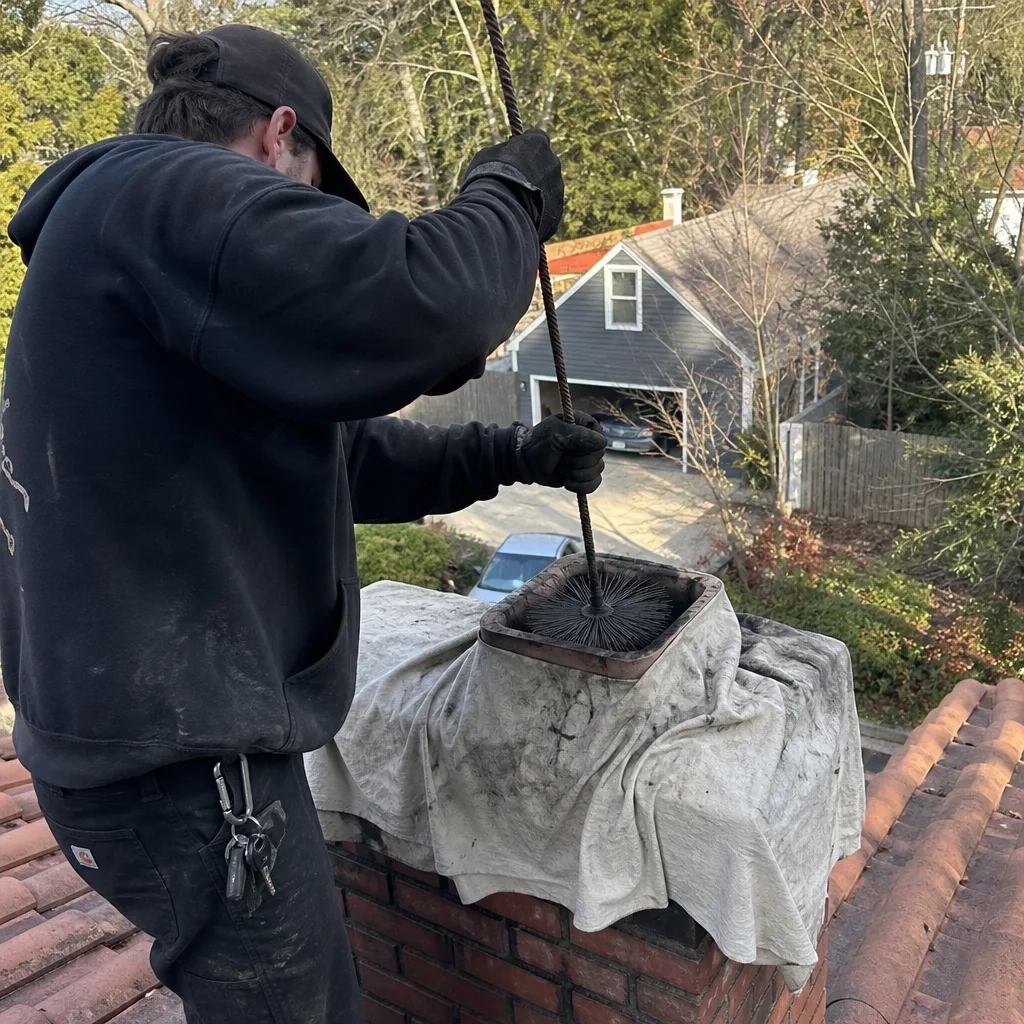
Level 1 sweep and inspection to the NFPA 211 annual standard - flue, crown, cap, and flashing checked and photographed
Chimney sweep logs do not sweep chimneys. They loosen some creosote - which then falls where a brush and vacuum still have to collect it.
Chimney Sweep Maintenance Checklist for Hayes Barton Homeowners
Most chimney maintenance checklists online are scheduling reminders dressed up as technical guidance. They tell you to “check for damage” without ever defining what damage actually looks like from where you’re standing, which is usually the ground, sometimes a second-floor window, and never the roof. That vagueness is the problem. A checklist you can’t act on is just a calendar with extra words, and in a neighborhood like Hayes Barton, where many homes have been burning wood for a long time, the gap between “I’ll deal with that later” and “that needs attention now” is where real trouble lives. This guide closes that gap. You’ll learn what you can honestly assess yourself, what requires a professional’s camera or ladder, and what specific thresholds turn a note in your log into a call to a specialist.
Quick Answer
Most chimneys should be swept once a year, and every chimney should be visibly checked from the ground each season for a cracked crown, missing cap, rusted damper, and loose flashing. In Hayes Barton’s older housing stock, the biggest risk isn’t a dirty flue alone: it’s water getting into a deteriorated crown or uncapped flue and quietly damaging masonry for months before anything shows inside. The useful checklist separates owner-observable signs (ground level, no ladder) from professional-only diagnostics (camera inspection, flue assessment, crown and flashing integrity), so you know what to note and what to call about.
Styles & brands we work with
- Sweep & inspection
- Caps & crowns
- Flue relining
- Masonry repair
- Gas fireplace service
Table of Contents
- Owner-Observable Signs Versus Professional-Only Diagnostics
- How Much Damage Is “Call Now” Versus “Note It”?
- Hayes Barton Seasonal Triggers: First Freeze and Last Burn
- The Cap and Crown Check Homeowners Skip
- What Actually Happens During an Annual Sweep
- Liner Condition: When Resurfacing Beats Replacement
- Your Printable Task-and-Date Maintenance Log
- Why Your Log Matters for Insurance and Resale
Owner-Observable Signs Versus Professional-Only Diagnostics
Henri Beauregard, who had a 1920s side-hall Georgian near Five Points, told us he’d “checked the chimney” every fall for years. When our inspector put a camera in the flue, the mortar joints were gone. Henri had done exactly what most checklists ask: looked up from the yard, saw nothing alarming, and crossed it off. The problem is that a flue’s interior is invisible from below and its worst failures happen where you can’t see them.
That’s not a knock on homeowners. It’s the reason a checklist has to be honest about its own limits. Here’s the line we draw:
What you can honestly assess yourself
- Ground-level exterior check: stand back from the house with binoculars and look at the chimney top for a missing or bent cap, visible cracks in the crown (the concrete slab at the very top), washed-out mortar joints, or a chimney that leans.
- Interior smells and stains: a smoky odor when the fireplace isn’t in use, or a brown water stain on the ceiling or wall near the chimney, is a real signal that moisture is getting in.
- Damper operation: open and close the damper by hand. If it sticks, won’t seal, or won’t open fully, note it.
- Visible firebox condition: with a flashlight, look for cracked firebrick, crumbling mortar in the firebox joints, or a firebox that’s pulling away from the surround.
- Smoke behavior on the first fire of the season: does smoke roll into the room before the draft establishes, and for how long? Note the seconds; you’ll need that number later.
What requires a professional (camera, ladder, or both)
- The inside of the flue: creosote buildup, cracked or missing liner tiles, gaps in a clay liner, and stage-3 glazed creosote.
- Crown integrity from above: hairline cracks look innocent from the ground but can be structural up close.
- Flashing where the chimney meets the roof: this is where most water intrusion actually starts, and it’s invisible from the yard.
- Smoke chamber and the transition from firebox to flue.
- The top of the flue and the cap’s attachment points.
That division matters because it keeps you from doing two wrong things at once: thinking you’ve inspected when you’ve only looked, and paying for an inspection you could partly do yourself. A real inspection is the diagnostic foundation. Bring Chimney Sweep Hayes Barton in for the professional half and you’ll have a genuine picture of the system.
How Much Damage Is “Call Now” Versus “Note It”?
Thresholds are the whole point of a checklist. “Some spalling” and “a lot of spalling” mean nothing until you put a number and a location on it. Here are the specific conditions we’d consider urgent versus routine, based on what we actually see in Hayes Barton’s older brick chimneys.
- Spalling brick: a few flakes of brick face on the roof or ground after a freeze is a note. A patch larger than your palm, or face-loss on more than a couple of bricks, or any spalling at the top third of the chimney, is a call. The top third takes the most weather and often signals a crown or cap problem upstream.
- Efflorescence (the white salt staining): light, patchy whitening that brushes off is a note. Thick, crusty, or streaking from the crown downward is a call, because it usually means water has a path in and is pushing salts out.
- Draft delay on the first fire: up to 30 seconds of smoke rolling before the flue warms and pulls is normal in a cold chimney. More than 90 seconds, or smoke that persists after the fire is going, is a call. It can signal a partially blocked flue, a damaged liner, or a chimney that’s simply undersized for the opening, but the point is that a professional needs to look.
- Damper stiffness: a damper that works but feels stiff is a note. A damper that won’t seal, won’t open past halfway, or that you can see daylight through when closed is a call.
- Crown cracks: a single hairline crack you can’t slide a coin into is a note. A crack wide enough for a coin, a crown that’s separated from the flue tile, or a crown that’s visibly chipped away at the edge is a call.
- Water staining indoors: any stain that’s new or growing in the last month is a call.
- Rust on the damper or firebox metal: light surface rust on the damper frame is a note. Rust that flakes off, or rust on anything in the smoke chamber, is a call.
The threshold logic is deliberately conservative in one direction: water. In Hayes Barton’s climate, water damage to masonry is cumulative and slow and it almost always starts at the crown or the flashing. Catching it in the first year costs a fraction of the repair that follows a few seasons of freeze-thaw cycles working on saturated brick.
Hayes Barton Seasonal Triggers: First Freeze and Last Burn
Hayes Barton sits in the Piedmont, which means real freezing weather in winter and hot, humid summers. That climate gives you two natural checkpoints a year. Missing them is how maintenance quietly turns into repair.
After the first hard freeze
Freeze-thaw is the great revealer. Water that got into a masonry joint during fall expands when it freezes, and the damage that’s been dormant all summer suddenly appears. Walk the exterior and the interior after the first hard freeze and look for:
- New flakes of brick face on the ground at the base of the chimney or on the roof.
- Fresh cracks in the crown that weren’t there in the fall.
- Any new spalling on the chimney’s top third.
- Water stains appearing inside the house near the chimney.
- White efflorescence that’s crumbly or has appeared since fall.
- A cap that’s shifted, rusted through, or gone missing in a winter wind.
If anything on this list is new since the fall, note it and call. Winter is also when a fire in a poorly swept flue becomes a hazard, so if you can’t remember when the chimney was last swept, book the sweep now rather than after the season.
After the last burn of spring
Shut the fireplace down for the season properly. This is the same list every spring:
- Do the final burn, then let the fireplace cool completely before closing the damper.
- Look up the flue from the firebox with a flashlight for glaze (shiny, hard creosote) or obvious blockage.
- Check the firebox firebrick for fresh cracks that appeared during the season.
- Confirm the damper closes fully and seals, and that the fireplace isn’t drafting when it shouldn’t.
- Look at the exterior crown and cap for winter damage.
- Log the date and findings so you have a written record.
The last burn check matters because a chimney that sat all summer with a partially blocked flue or glaze will get worse, not better. A summer sweep is the peak of seasonal safety, and Hayes Barton’s warm months are the right time to do liner work or crown repair before the next heating season.
The Cap and Crown Check Homeowners Skip
The single most-skipped part of a chimney checklist is the top of it. Homeowners assume you need a ladder to check a cap or crown, so they don’t look. You do need a ladder to repair one, but you can assess the crown and cap from the ground with binoculars, and you should, because they’re the front line against water damage and animal intrusion.
What the cap does
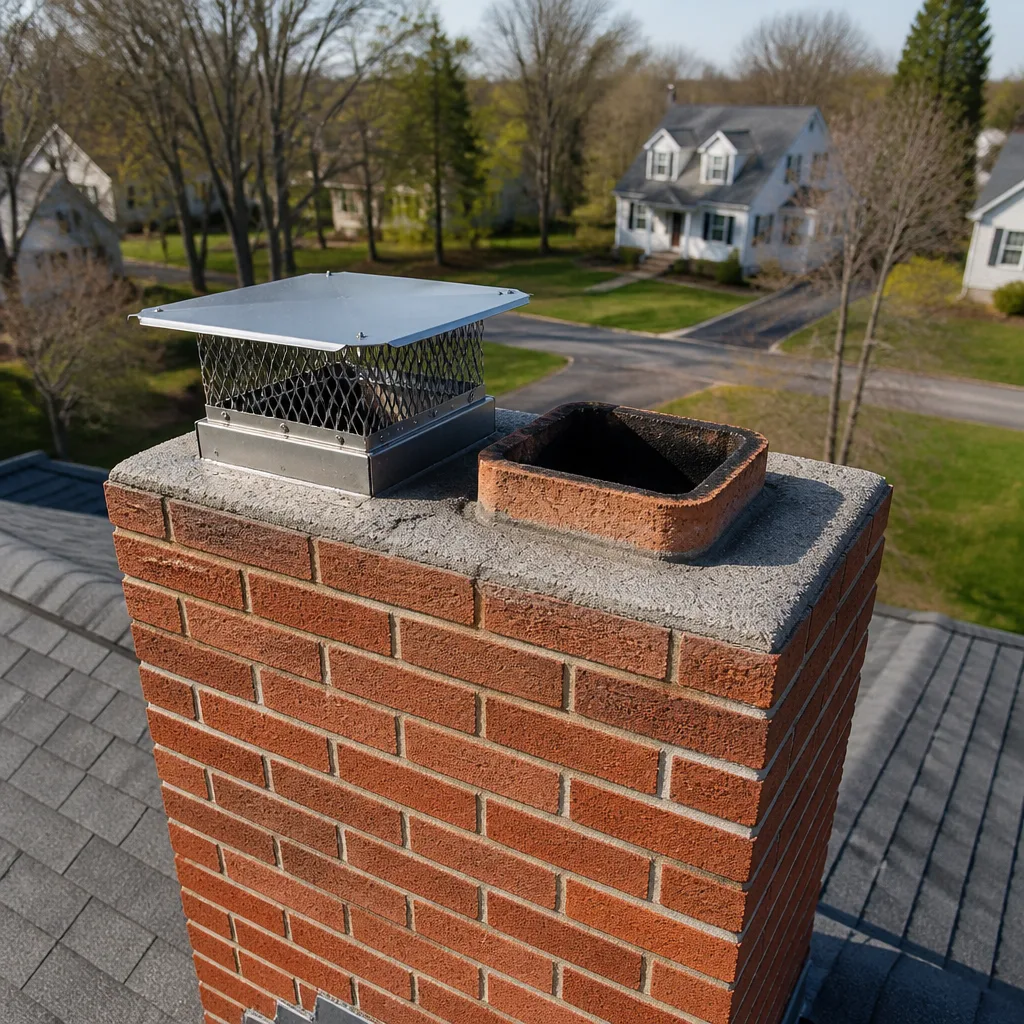
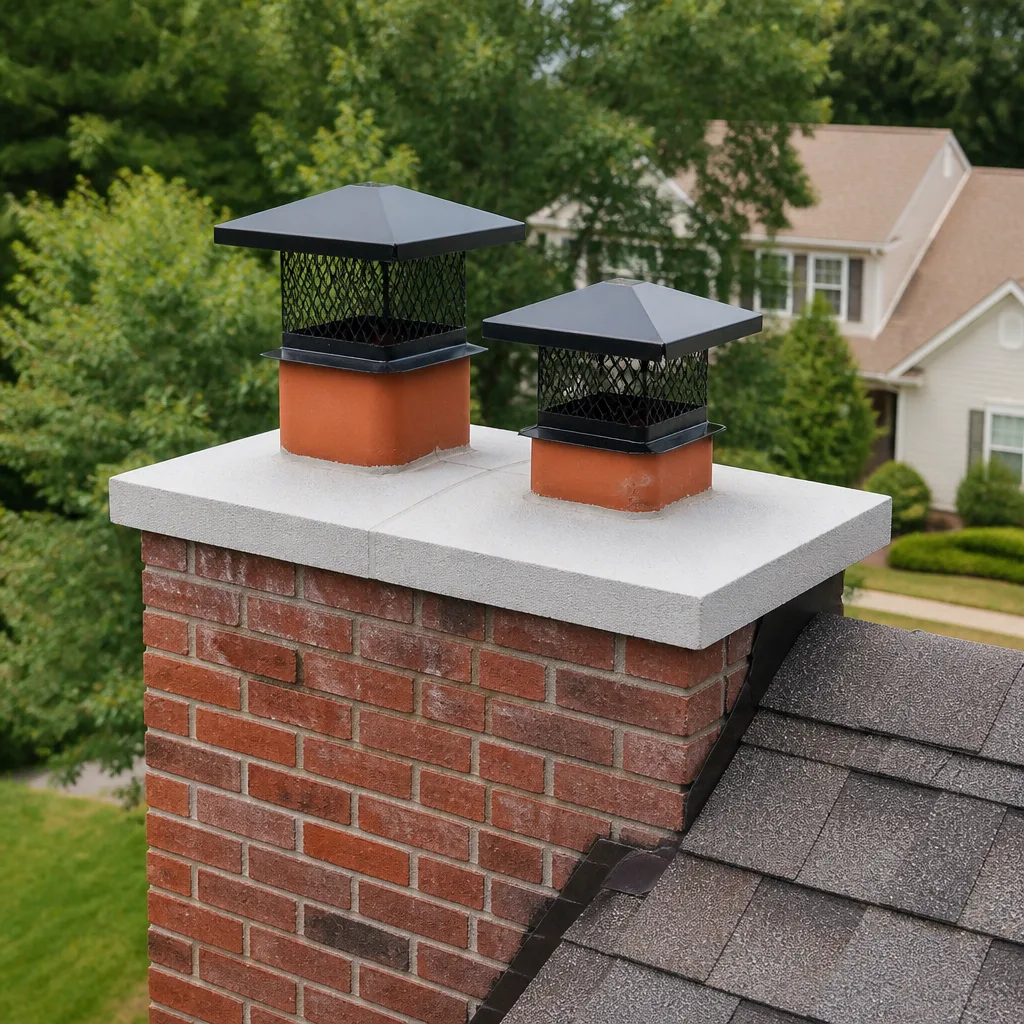
A chimney cap is the lid over the flue: a metal or masonry hood that keeps rain, snow, birds, squirrels, and debris out of the flue. A missing or damaged cap is the most common way water gets into a chimney, and a capped flue is a flue a bird can’t nest in. From the ground, look for:
- A cap that’s gone entirely, or one hanging from one corner.
- Rust blooming through the metal or holes worn through the mesh.
- A cap that’s visibly tilted or sitting off-center over the flue tile.
- Debris visible around the cap (twigs, grass, leaves, nesting material).
What the crown does
The crown is the concrete or mortar slab on top of the chimney that sheds water off the masonry. A sound crown is your chimney’s umbrella; a cracked one lets water soak into the brick and flue tile. Look for cracks, a crown that’s flaking or chipping away at the edges, and a crown that no longer overhangs the chimney’s brickwork. A worn crown will usually show its first problem as water staining inside the house, which is why the crown check is part of the chimney cap & crown work we focus on: it’s a small job now and a large one later.
In Hayes Barton’s climate, we see caps rusted through at the mesh and crowns chipped at their edges with every passing year. Both are cheap to address while they’re a check and expensive once the brick underneath is saturated. If your crown or cap fails this ground-level test, that’s a call, not a note.
What Actually Happens During an Annual Sweep
A proper annual sweep is a diagnostic event, not a cleaning. The best sweeps combine three things in one visit: a thorough cleaning of the flue, a visual inspection of every accessible part of the system, and a written record of what was found. Here’s what the process looks like at a professional level, so you know what you’re paying for.
- Setup and protection. Floor protection goes down, a HEPA-filtered vacuum runs, and the firebox is sealed off so no dust escapes into the room.
- Firebox and smoke chamber. The firebox is swept down, and the smoke chamber is inspected with a flashlight or camera.
- Flue sweep. A rotary brush or whip sized to the flue is run the full length, and the creosote is removed into the vacuum. Glaze (hard, shiny creosote) is noted and gets a different treatment than dry, flaky creosote.
- Camera inspection. A camera goes down or up the flue to check liner joints, cracks, gaps, and the top of the flue tile. This is the part that can’t be done from the ground.
- Exterior inspection from the roof. The technician checks the cap, crown, flashing, and top of the chimney up close.
- Report. You get a written record of what was swept, what was inspected, what was found, and what to watch between now and the next visit.
- Written estimate for any repair. Anything beyond routine maintenance gets priced in writing before any work is scheduled. No surprise recommendations on the invoice.
Two things generalize: the sweep and the inspection should be the same visit, and any repair should come with evidence you can see. Warm or not, a chimney fire is a real hazard, and a sweep is the cheapest safety check you can buy.
Liner Condition: When Resurfacing Beats Replacement
Liner condition is the single most consequential finding in a chimney inspection. It’s also the one homeowners most often hear about third-hand, usually as “you need a full reline,” which is why an honest diagnosis here matters more than anywhere else in the job.
Here’s the line: a damaged liner has to be addressed because it’s what protects the house and the occupants from the heat and gases of the fire. Carbon monoxide and heat transfer through a failed liner are the real safety concerns, not cosmetic concerns. The question is how to address it honestly.
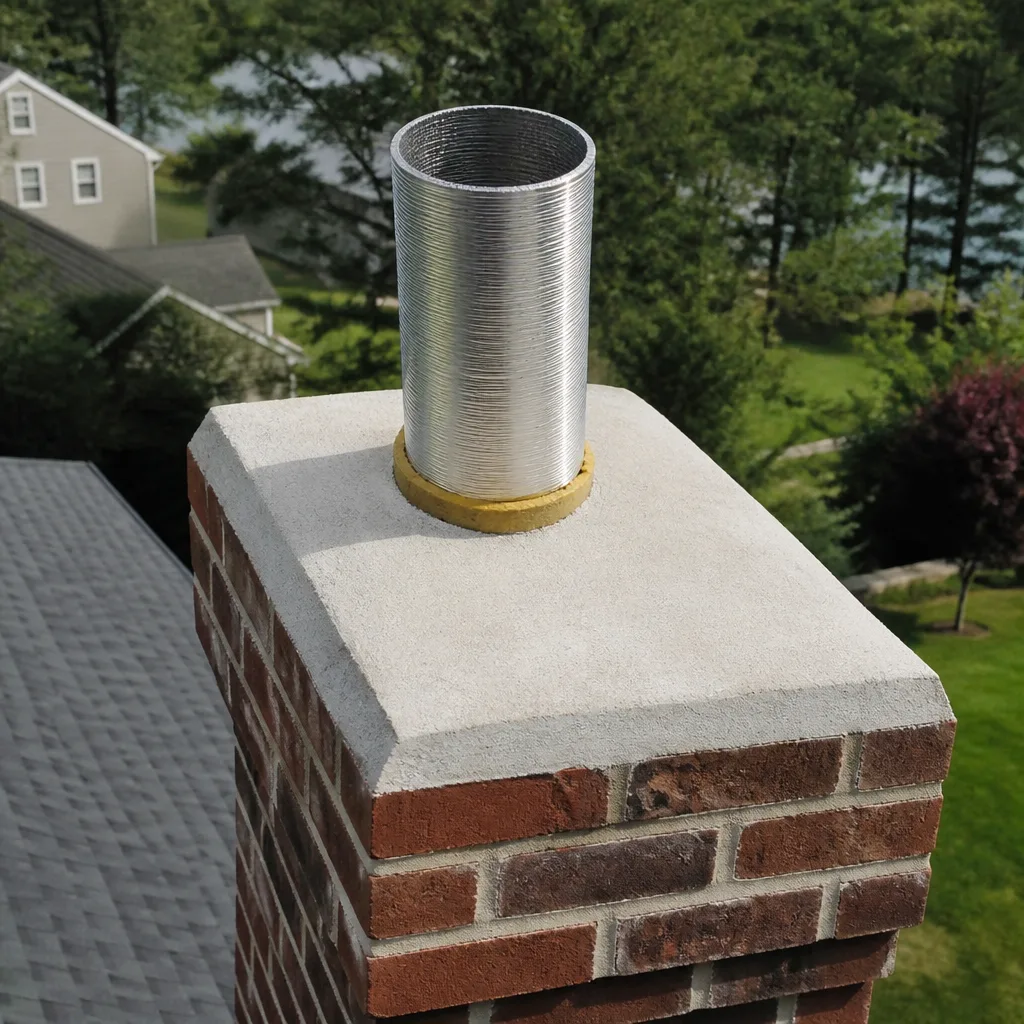
- When resurfacing works: a clay liner with cracks, gaps in joints, or localized deterioration can often be restored by resurfacing the flue’s interior with a castable material. HeatShield is the professional-grade brand we work with for this, and it’s a genuine alternative to full replacement when the damage is caught before the tile has separated or failed structurally.
- When replacement is the right answer: a liner that’s collapsed, missing sections, or badly out of round, or a flue that’s undersized for the appliance, generally calls for a new liner rather than resurfacing.
- How a flexible liner gets specified: DuraFlex flexible liner systems handle the retrofits and offsets that older Hayes Barton chimneys often present, where a straight rigid liner won’t fit. Olympia Chimney and Copperfield parts and components come into play depending on the flue and the appliance.
The wording matters: we recommend a liner fix only after the camera shows a problem you can see for yourself. If the liner can safely wait, we tell you that too. Resurfacing versus replacement is a decision based on evidence, not a sales plan.
Your Printable Task-and-Date Maintenance Log
The most useful chimney tool you own costs nothing: a single page where you record what was done and when. That log is how maintenance stays honest over the years. It’s also what your insurer or a buyer wants to see. Set it up like this.
The log format
- A column for the date.
- A column for the task (sweep, inspection, cap check, crown check, firebox check, first-freeze walk, spring shutdown).
- A column for who did it (you, or a professional).
- A column for the finding, in plain words (“crown hairline crack, keep an eye on it,” “cap rusted through, replacement scheduled”).
- A column for the follow-up date or “watch next season.”
- A column for the written estimate or invoice number if a repair was done.
The dated tasks
- Every year, before the heating season: annual sweep and inspection. Book it before the first cold snap, when schedules fill fastest.
- Every fall, ground-level check: cap, crown, flashing (from below), stains, smell, damper.
- After the first hard freeze: repeat the ground-level check and note anything new.
- After the last burn of spring: do the spring shutdown list and log it.
- Every five years, or after any water intrusion: a camera inspection even if the last one was clear, because a chimney ages in the joints before it ages in the report.
Keep the log with your home records, and photograph the top of the chimney from the ground each fall. The photo set over time tells you whether a crack is stable or getting worse, which is the kind of evidence a recommendation should be based on. If you want the annual sweep and inspection handled by a specialist who also documents findings, schedule a chimney sweep and start the log with a proper baseline.
Why Your Log Matters for Insurance and Resale
Your maintenance log does more than jog your memory. When a chimney leaks or a fire happens, an insurance adjuster wants to see that the chimney was routinely swept and that any known issue was addressed or documented. A well-kept log of annual sweeps, camera inspections, and repairs is a straightforward way to show that. A house with no chimney records looks like a house with no chimney maintenance, and that can complicate a claim or slow down a repair approval.
On resale, the same log is a selling point. A buyer’s inspector will look at the chimney and flag anything questionable. A log that shows a current annual sweep, a documented inspection, and any repaired liner, crown, or cap makes those questions easier to answer. And photographing the top of your chimney each fall builds a record of how the masonry changes over normal seasons, which is the kind of documented evidence a buyer or their inspector can actually work with.
On top of the log, the underlying safety case is simple: a swept and inspected flue is the best protection against a chimney fire, and a properly capped and crowned chimney is what keeps water out of the masonry. That’s why we treat the inspection as the foundation of every recommendation and why we price the work on a written estimate after you’ve seen what we’ve seen.
Common Mistakes to Avoid
- “I looked up from the yard, so it’s fine.” A ground-level look can’t see the inside of the flue, and that’s where the liner and creosote problems live. Taking a look is a real first step, but it’s not an inspection.
- Waiting for the first cold snap to book a sweep. Late fall in Hayes Barton is when scheduling fills fastest, and a chimney that hasn’t been swept in years needs more than a same-week slot. Book before the season.
- Ignoring the cap and crown because they’re out of sight. They’re the most common route for water to get in, and they’re cheap to fix while they’re a check. Skipping them is how small masonry repairs turn into big ones.
- Letting a cold-start draft delay slide for years. A short delay at the first fire is normal; a long one is evidence that something in the flue or the sizing needs a look. Log the seconds and call if they grow.
- Treating a cracked flue as a cosmetic problem. A failed liner is a heat and carbon monoxide concern, not a look-and-feel concern, and a crack that shows in a camera inspection needs to be addressed.
- Accepting a “you need a full reline” recommendation without seeing why. Ask to see the camera footage. If the damage could be resurfaced instead of replaced, a specialist should be able to explain the difference and show you the evidence.
- Assuming a newer house doesn’t need a sweep because the masonry looks clean. Masonry doesn’t clean itself, and a dirty flue looks the same from the outside on a 1990s house as on a 1930s one.
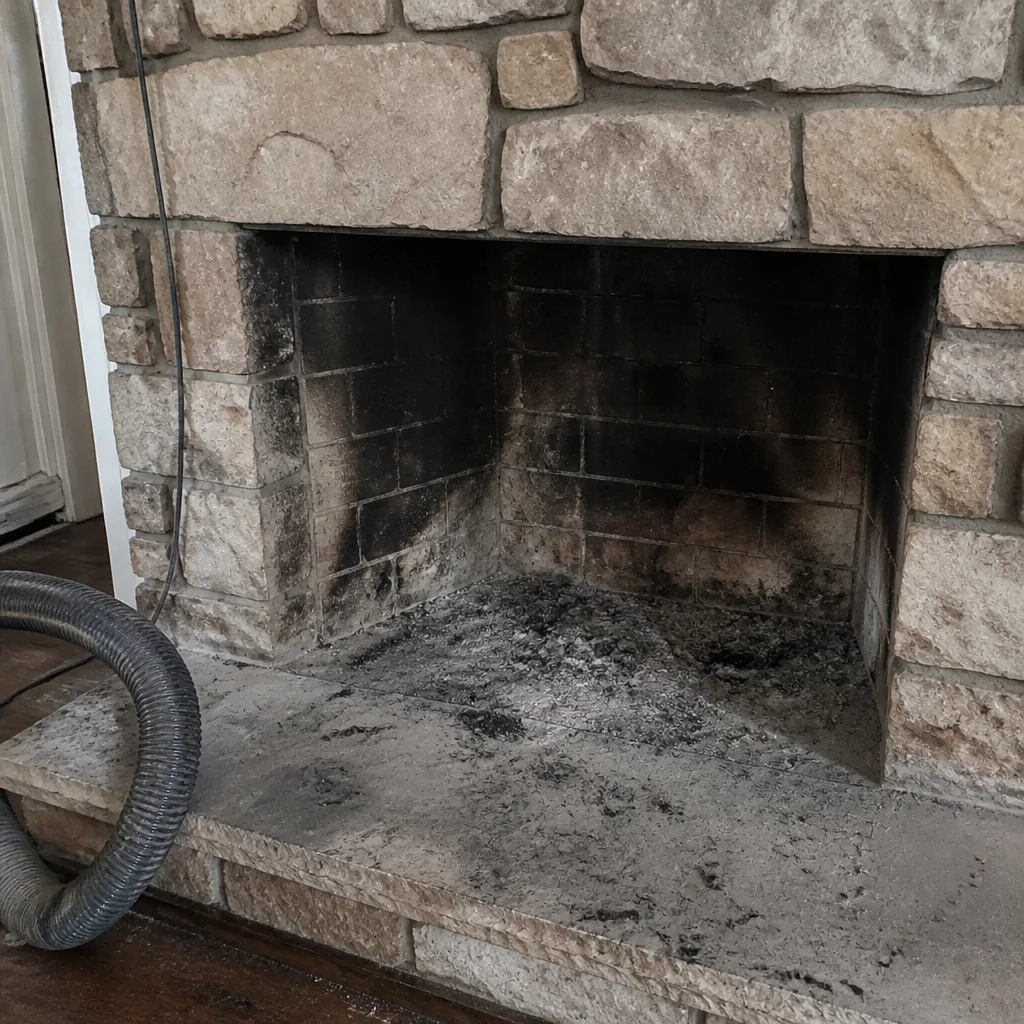
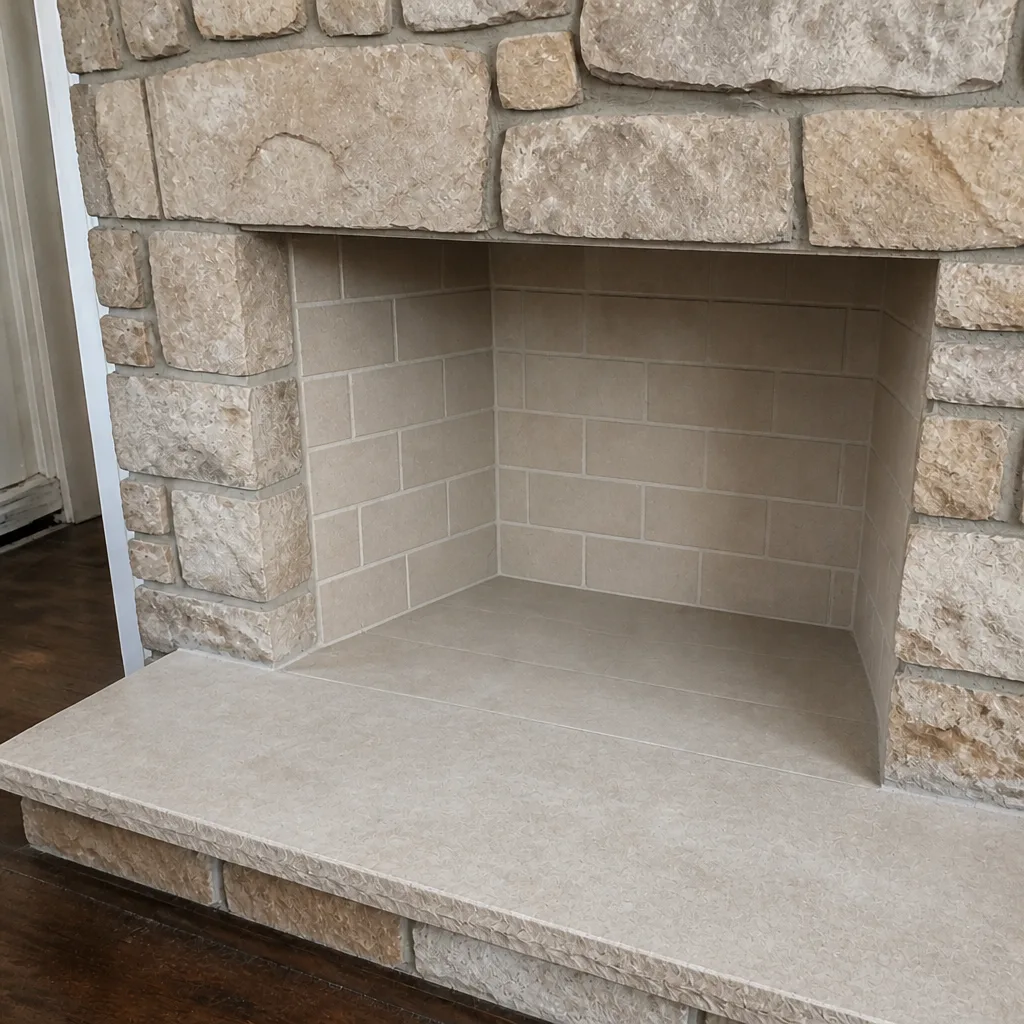
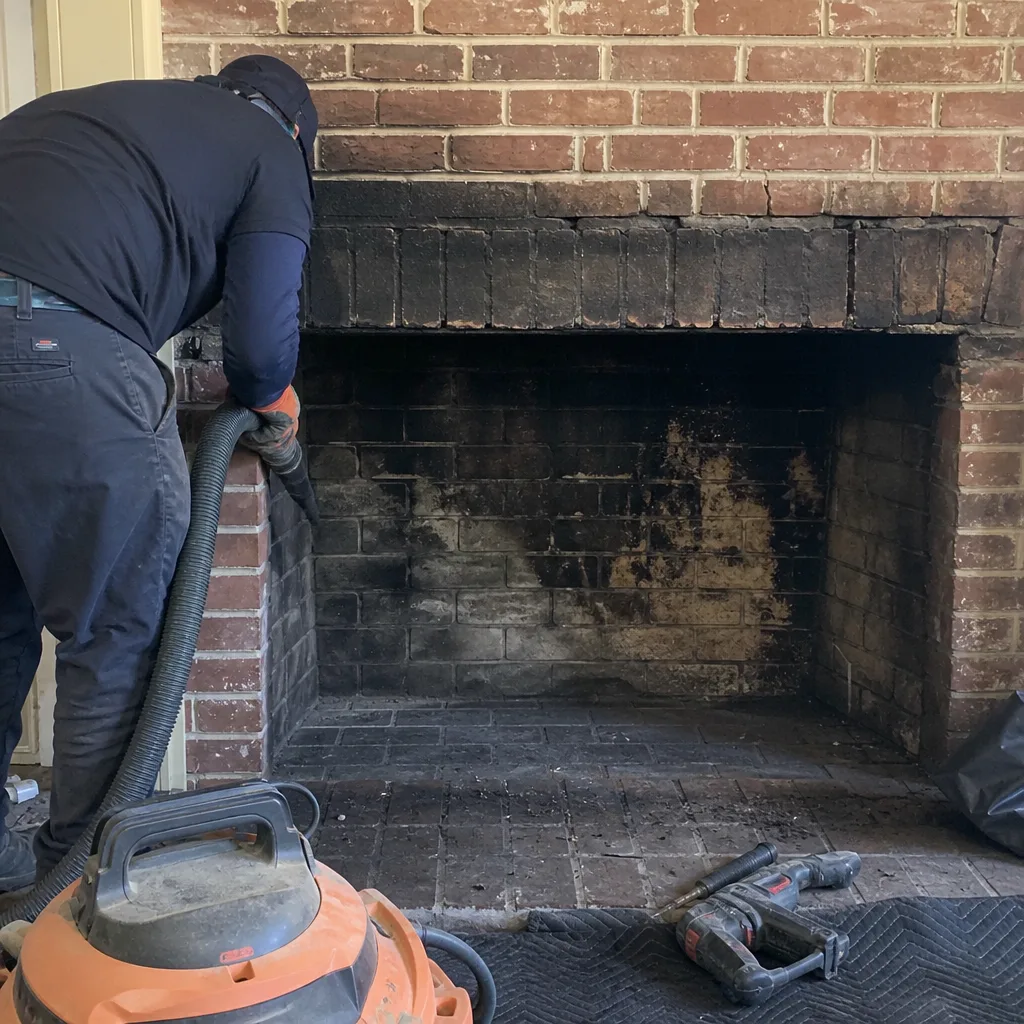
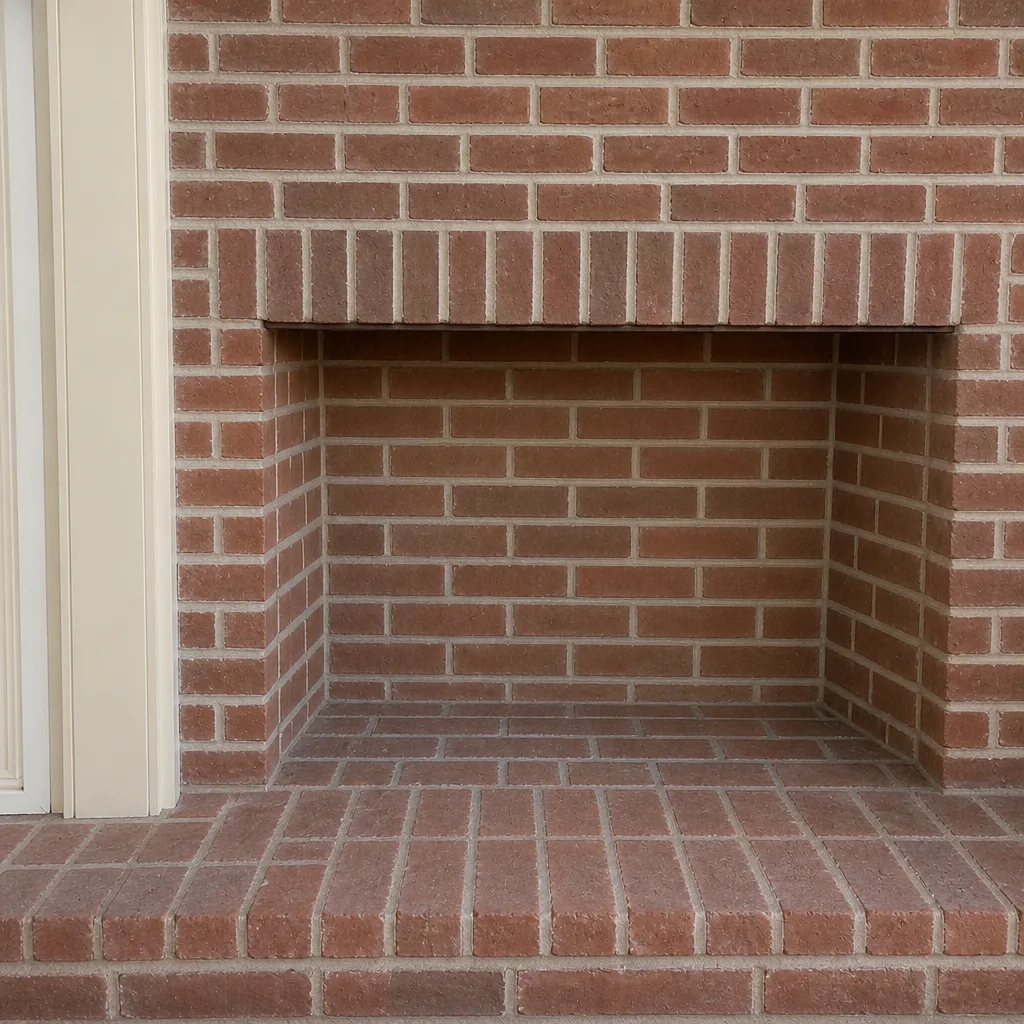
See the difference
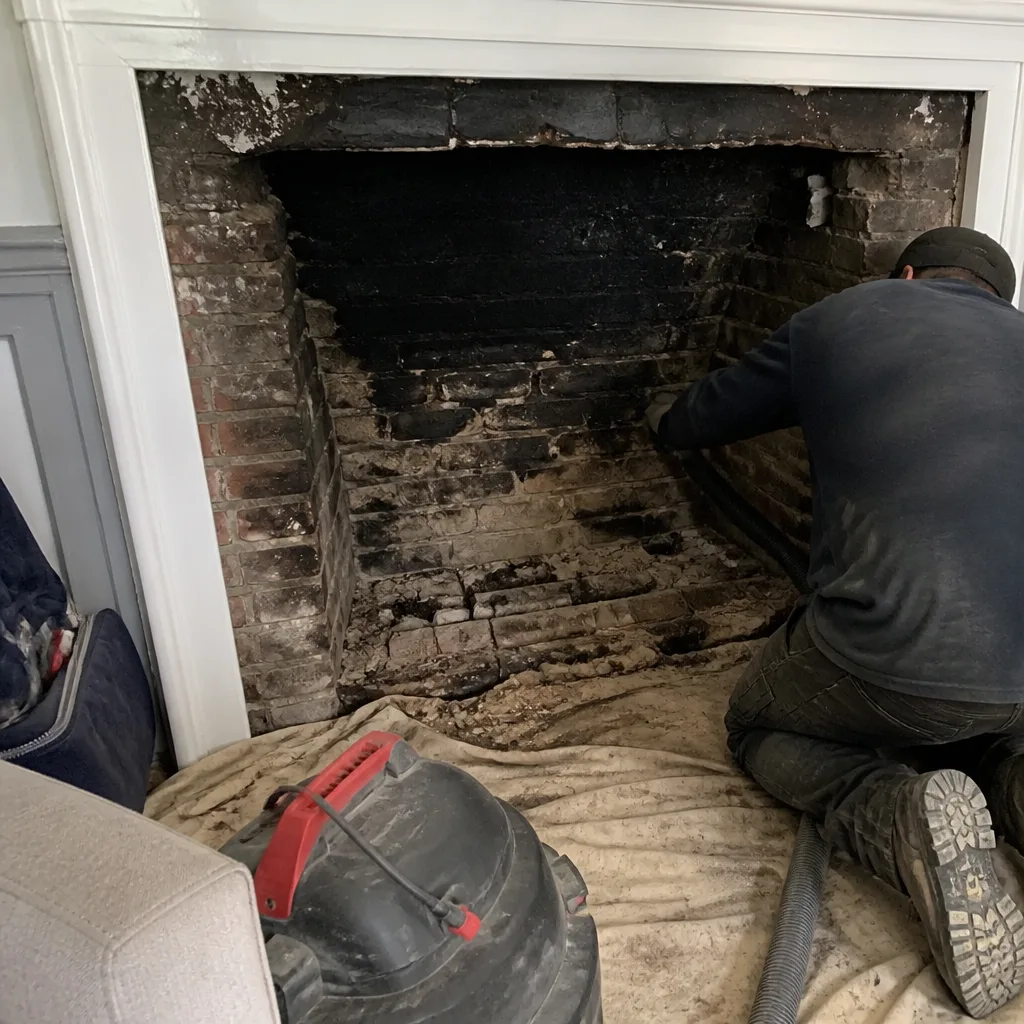 Before
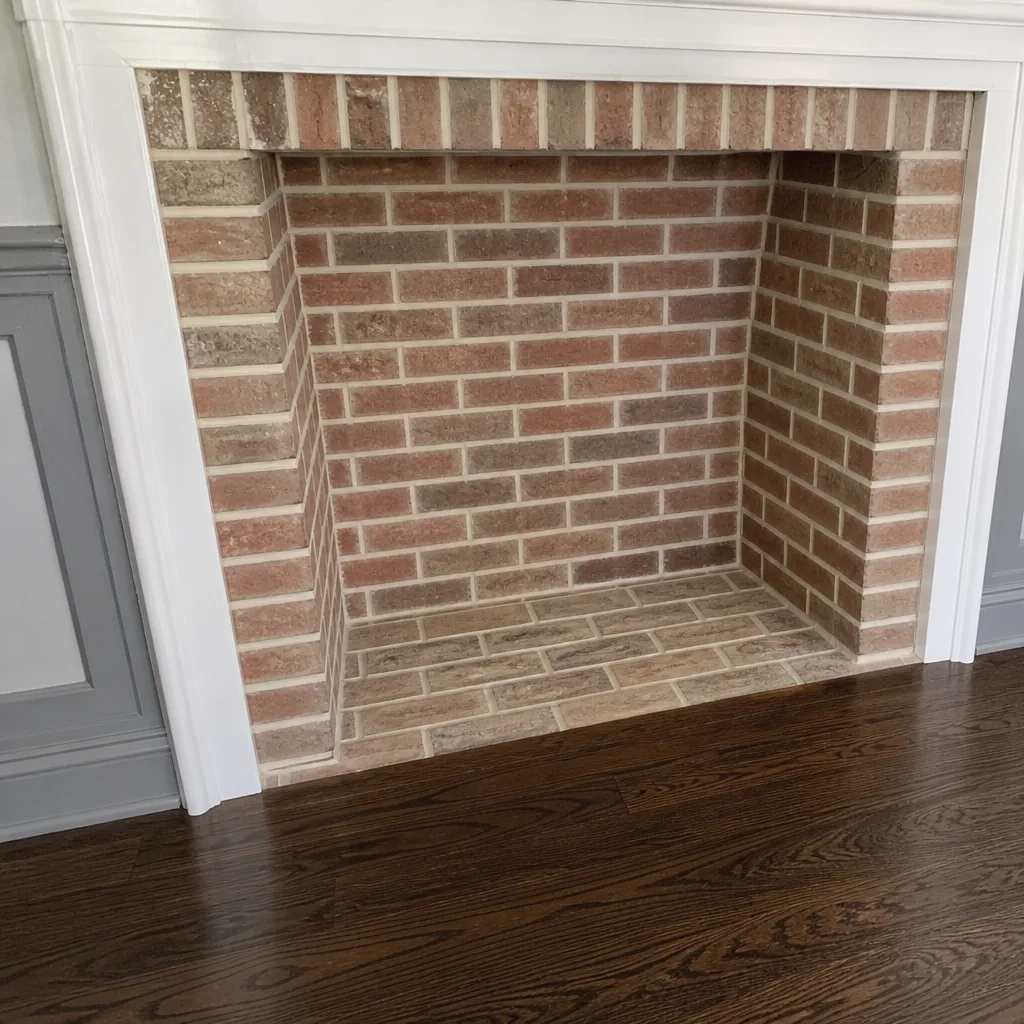 After
 Before
 After
 Before
 After
When to Call a Professional
Call when a ground-level check finds a cap that’s gone or rusted through, a crown crack wide enough for a coin, fresh spalling on the top third, a new water stain inside, a firebox crack, a damper that won’t seal, a draft delay over 90 seconds, or a smoky smell when the fireplace is off. Call before your first fire if you can’t remember the last sweep. And call for the annual inspection, because the camera is what catches what the checklist can’t. Chimney Sweep Hayes Barton offers free estimates in Hayes Barton: call (855) 658-4229. We answer 24/7, with fast dispatch from 7am to 7pm, Sunday through Friday. Our technicians have up to 12 years of experience, and any repair is priced by a written estimate after you’ve reviewed the findings with us.
Frequently Asked Questions
Once a year is the standard for any fireplace that gets regular winter use, and more often if you burn a lot of green or unseasoned wood. The annual sweep and inspection together are also your once-a-year chance to check the cap, crown, and liner before the heating season, so booking it in the fall is the useful habit in this climate.
You can check the exterior from the ground with binoculars (cap, crown, spalling, stains) and you can look up the firebox with a flashlight, and you should. But you can’t see the interior of the flue, the smoke chamber, or the flashing, and those are where the serious problems live. A ground-level check is a complement to an inspection, not a replacement for it.
A cracked crown lets water into the masonry, and in Hayes Barton’s freeze-thaw winters that water expands when it freezes and begins to break the brick and mortar apart. The visible effect is spalling, efflorescence, and water stains inside. The fix is typically a crown repair or replacement, and it’s far cheaper done while the crack is still narrow.
It depends on the condition of the liner. Resurfacing with HeatShield is a genuine repair for a clay liner with cracks, joint gaps, or localized deterioration, and it often costs less than a full reline. A collapsed, missing, or badly out-of-round liner calls for a new liner instead. The decision is made after a camera inspection, and you should see the evidence before agreeing to either.
Yes. A cap is the front line against water, birds, squirrels, and debris, and in our experience the most common water-intrusion route on Hayes Barton chimneys is a missing or rusted cap. It’s a small, straightforward installation that protects the crown, liner, and masonry behind it.
Do the spring shutdown: let the fire cool and the damper close, check the flue for glaze or blockage, check the firebox for new cracks, confirm the damper seals, and record it in your log. Spring and summer are also the right window to book the annual sweep and any liner or crown work before the next heating season.
The Bottom Line
A maintenance checklist earns its keep when it tells you what to look at and what to do about what you see. In Hayes Barton, the two highest-value habits are the annual sweep and inspection, done together, and the seasonal ground-level check for cap, crown, spalling, and water stains after the first freeze and after the last burn of spring. Log everything, keep photos, and treat the log as part of your home’s records. When something crosses a threshold, call a specialist and ask to see the evidence. Chimney Sweep Hayes Barton handles sweeping, inspection, fireplace repair, and cap and crown work, so one visit can address the whole system from the firebox to the top of the flue.
If your chimney hasn’t been inspected recently, or your checklist turned up something you’d rather have a professional look at, call (855) 658-4229 for a free estimate. We answer 24/7, with fast dispatch from 7am to 7pm, Sunday through Friday.
Written by the team at Chimney Sweep Hayes Barton.