
Last updated November 24, 2026
 Sweep & inspection
 Caps & crowns
 Flue relining
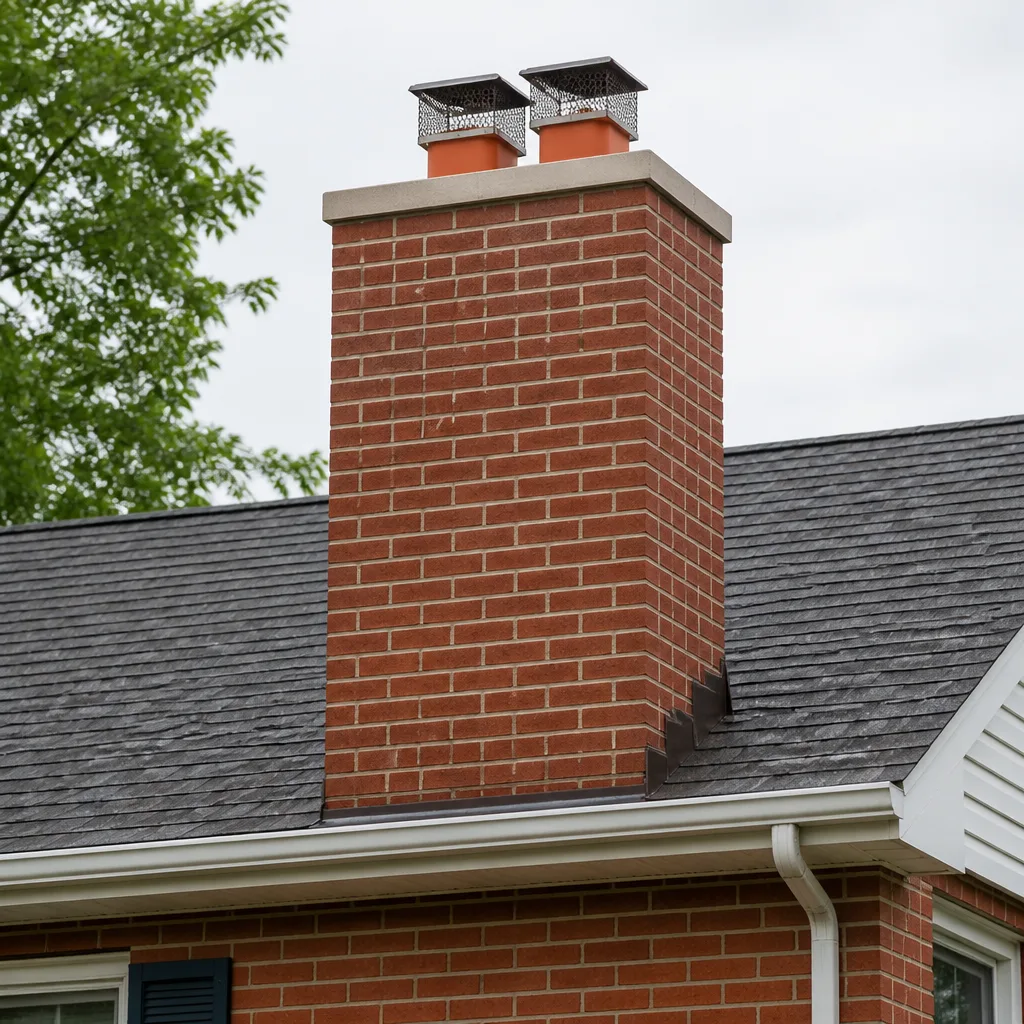 Masonry repair
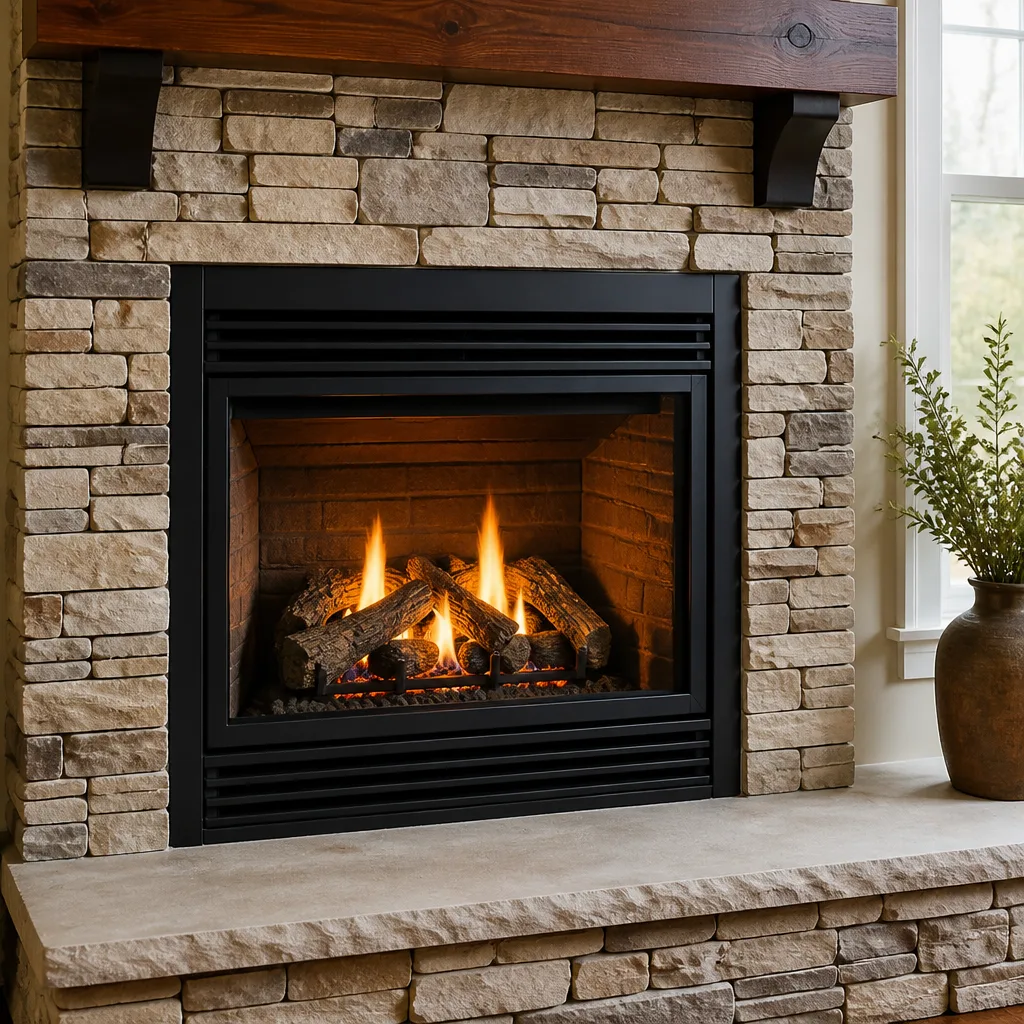 Gas fireplace service
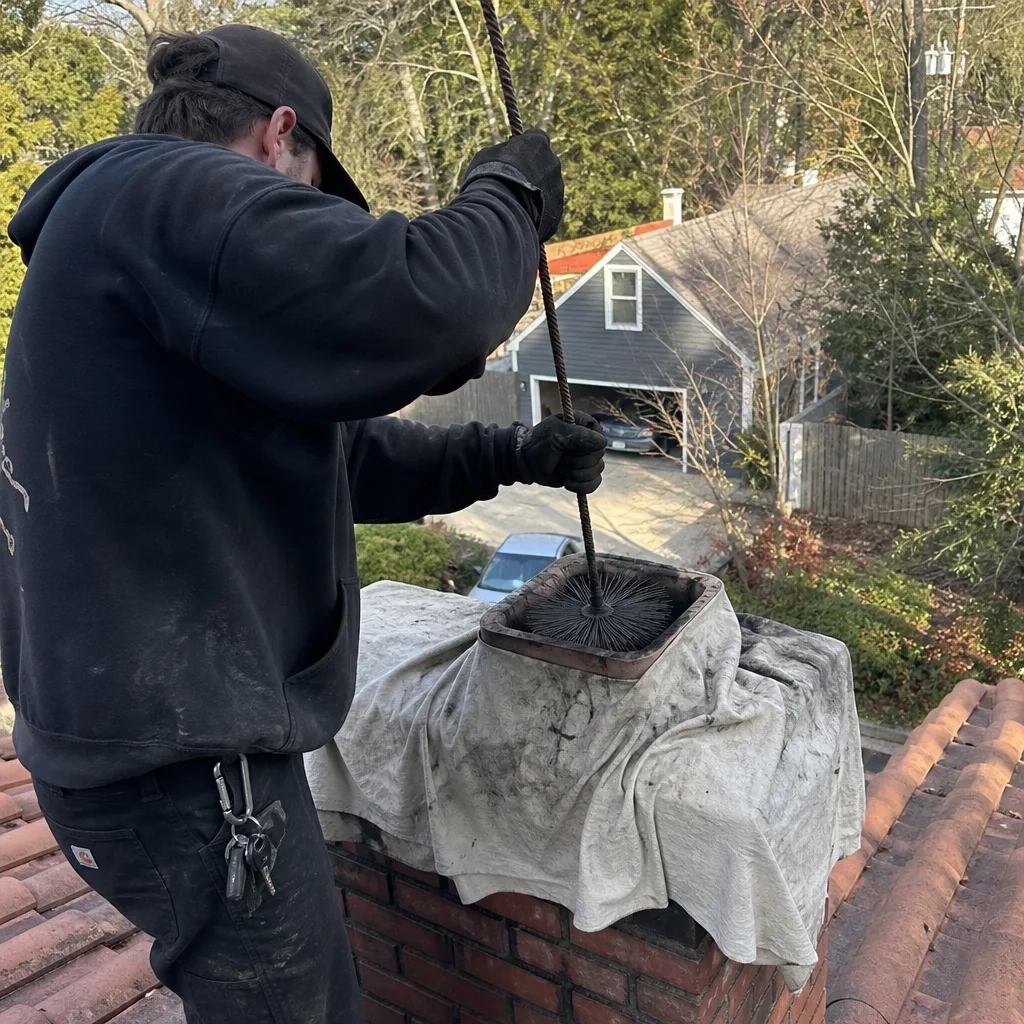
Level 1 sweep and inspection to the NFPA 211 annual standard - flue, crown, cap, and flashing checked and photographed
Chimney sweep logs do not sweep chimneys. They loosen some creosote - which then falls where a brush and vacuum still have to collect it.
The Complete Guide to Chimney Cleaning in Hayes Barton
Most people assume a chimney fire happens in a dirty flue. The reality is stranger: the National Fire Protection Association reports that 30% of chimney fires occur in systems that were recently cleaned. The reason is usually the same. Cleaning happened, but nobody inspected the inside of the flue, so damaged tiles and gaps in the liner went unnoticed. A brush makes a chimney look clean. It doesn’t make it safe to burn. In Hayes Barton, where Craftsman bungalows and older homes sit through humid summers that keep masonry damp for months, that distinction matters more than in drier places. This guide maps the full cleaning sequence so you know what a real service involves and what to ask for before anyone touches your chimney.
Quick Answer
A thorough chimney cleaning in Hayes Barton is a three-stage job: sweep the firebox, clear the smoke chamber, and brush the full flue liner, followed by a written inspection report. A brush-and-vacuum alone that stops at the firebox isn’t a cleaning; it’s a cosmetic pass. Ask any sweep for the deposit condition, the liner assessment, and a photo record before you pay.
Table of Contents
- Why Chimney Cleaning Is a Layered Process, Not a Single Task
- How Hayes Barton’s Homes and Humid Summers Shape Creosote
- The Three-Layer Cleaning Sequence: Firebox, Smoke Chamber, Flue Liner
- The Difference Between a Clean Chimney and a Safe Chimney
- How to Read a Post-Cleaning Report
- When a Cleaning Should Trigger a Level 2 Inspection
- What You Can Check Yourself and What You Shouldn’t
- Restore Before You Replace: HeatShield and Liner Decisions
Why Chimney Cleaning Is a Layered Process, Not a Single Task
Homeowners usually book a cleaning the way they book a haircut: a recurring appointment that leaves the thing looking better. A chimney is not a single surface. It’s a system of connected parts, and deposits collect differently in each one. The firebox holds ash and soot. The smoke chamber, that tapered space above the damper, gathers soot on corbelled brick that a standard brush can’t reach. The flue liner carries the gases out and takes the brunt of creosote buildup, especially near the top where the flue runs cooler.
When a sweep brushes the firebox and runs a brush down the flue without addressing the smoke chamber, the job is incomplete. It looks done. The floor is clean, the firebox is swept, and the homeowner has no reason to question it. But the layer holding the most combustible soot is the one nobody touched.
That’s why we frame chimney cleaning as three layers, each handled in sequence:
- Firebox and damper: remove ash, soot, and debris; check the damper for smooth operation.
- Smoke chamber: clear the corbelled shelf with a purpose-built tool; this is where most skips happen.
- Flue liner: brush the full run, top to bottom, and inspect the interior with a camera.
Each stage reveals something the next one depends on. You can’t assess the liner until it’s been brushed. You can’t recommend a repair until the inspection says what’s wrong. In Hayes Barton, where many homes have had decades of seasonal fires with little documentation, this sequence is how you catch problems rather than just tidying around them. If you want the specialist version of this service, see our page on a chimney sweep and what’s included.
How Hayes Barton’s Homes and Humid Summers Shape Creosote
Creosote forms wherever flue gases condense on cooler surfaces. How much forms, and what kind, depends on how hot the fire burns and how cool the flue gets between fires. Hayes Barton’s housing stock and its climate both push in the direction of heavier buildup.
Older Craftsman-style homes in the neighborhood often have tile-lined masonry chimneys built to serve fireplaces that burned wood at lower, longer, slower rates than a modern fire. That cool, smoldering burn produces the worst kind of creosote: a sticky, glazed deposit that a standard brush can glaze over rather than remove. We see more third-degree glazed creosote in Hayes Barton chimneys than we see in newer construction.
Then there’s the humidity. North Carolina summers run humid enough that masonry holds moisture deep into the season. A damp flue cools faster, and a cooler flue condenses creosote faster. Moisture also works on the mortar and brick itself, spalling the chimney from the inside out. The combination creates two problems at once: more creosote up top and slower brick deterioration below.
The practical takeaway for Hayes Barton homeowners:
- Burn hotter and drier. Seasoned wood and adequate air supply cut condensation and reduce glazed deposits.
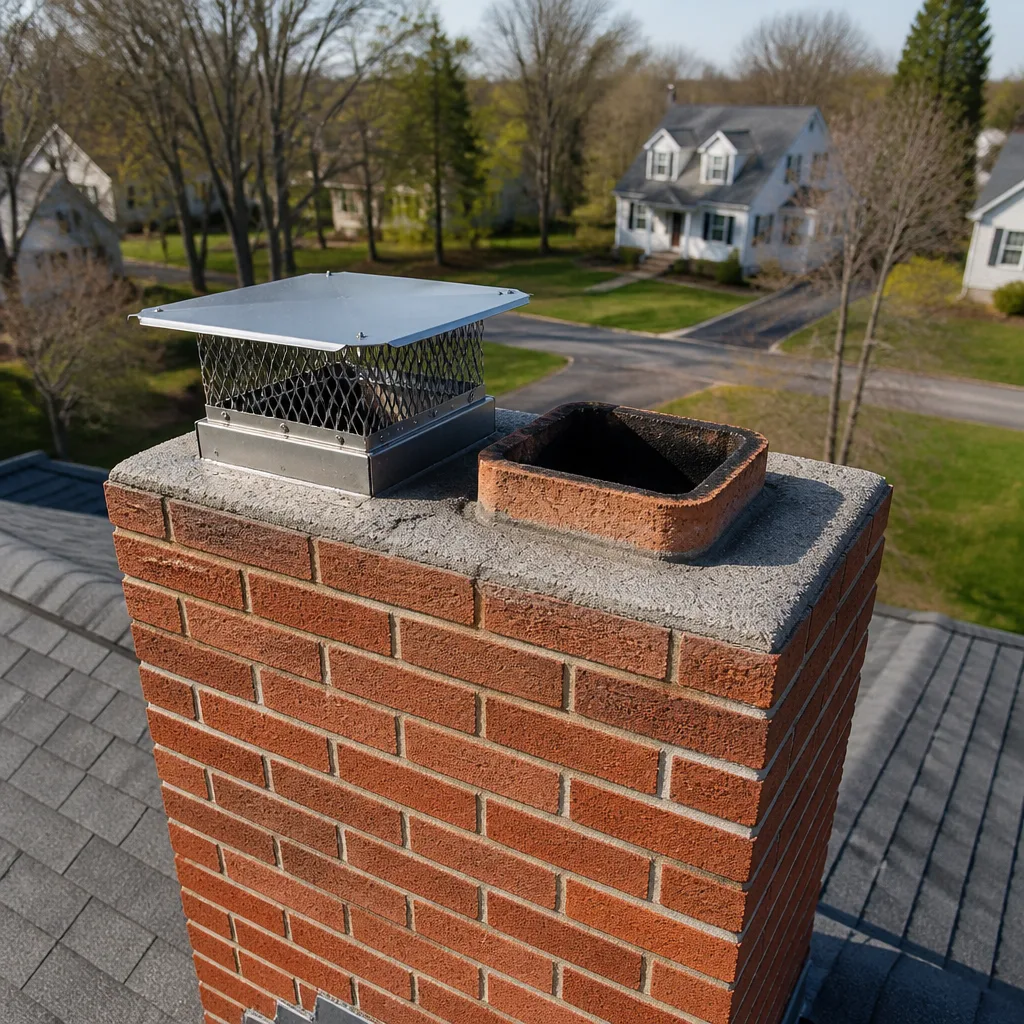
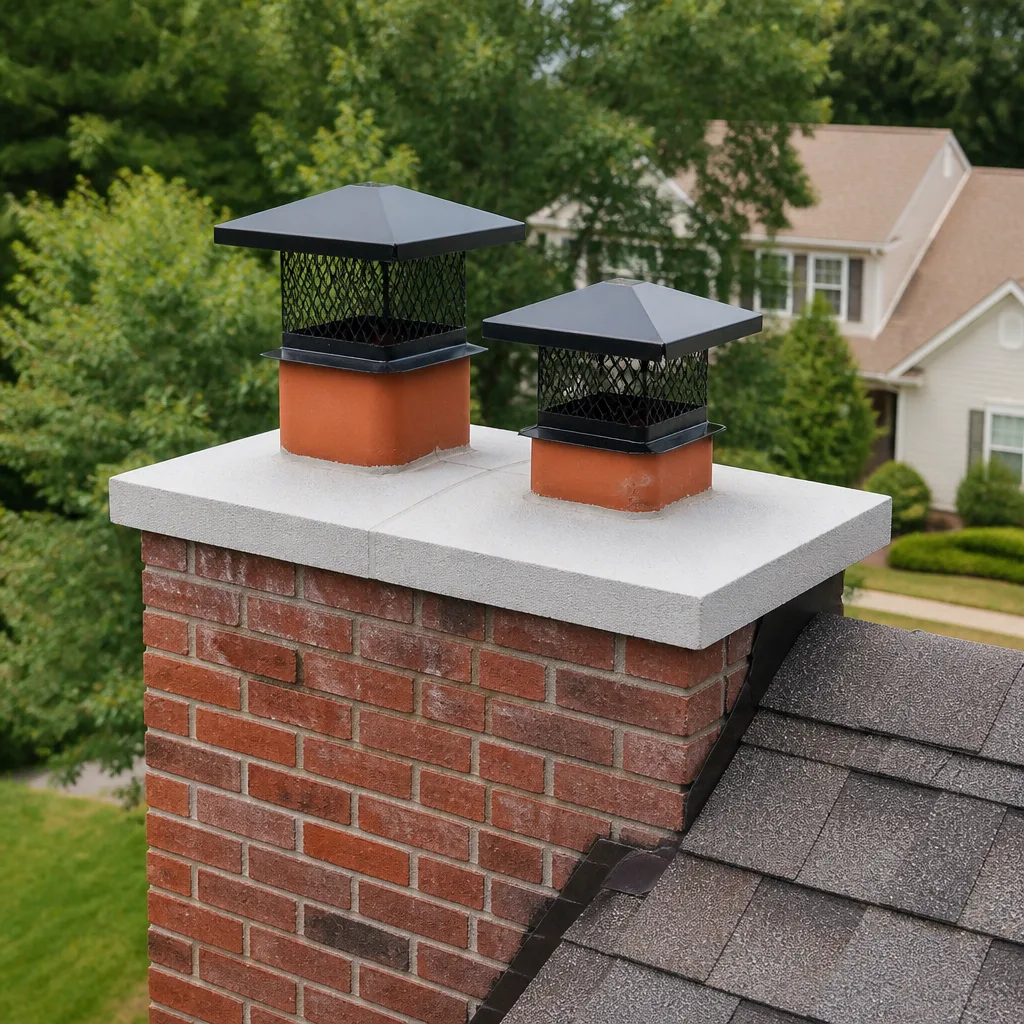
- Cap the flue. A proper cap keeps rain out, which is the simplest defense against humidity-driven damage. Our chimney cap & crown page covers the details.
- Inspect before the season, not after. Late summer is the honest time to check buildup from the previous winter before the first fire.
Creosote that’s allowed to sit through a humid summer can harden into something no brush touches. That’s when you’re looking at a resurfacing job rather than a routine sweep.
The Three-Layer Cleaning Sequence: Firebox, Smoke Chamber, Flue Liner
Here’s how a thorough cleaning actually runs, in the order a specialist performs it. Skip any layer, and the job isn’t finished.
- Set up and protect. Drop cloths, a sealed vacuum, and negative air pressure keep soot out of the living space. A real clean is a clean room afterward.
- Firebox and damper. Remove ash and soot from the firebox floor and walls. Test the damper for full operation and look for rust or warping.
- Smoke chamber. This is the step most often skipped. The chamber above the damper has a corbelled shape that traps soot on ledges and in corners. It takes a dedicated tool and time to clear it. If a sweep’s brush never leaves the flue, the smoke chamber stayed dirty.
- Flue liner. Brush the full length of the liner, top to bottom. Rotary tools are used for glazed deposits; standard brushes for loose soot. The deposit type determines the tool.
- Camera inspection. Run a camera down the flue and photograph the liner interior. Look for cracked tiles, gaps at joints, missing mortar, and any obstruction.
- Exterior check and report. Look at the crown, cap, and flashing from the roofline, then write the report. This is the deliverable that matters.
The difference between steps 3 and 4 is where customers get misled. A sweep who never touches the smoke chamber is doing the firebox and the flue only, which is roughly two-thirds of the job. Always ask, before booking, whether the smoke chamber is included in the price.
The Difference Between a Clean Chimney and a Safe Chimney
A clean chimney has no visible soot where you can see. A safe chimney has been inspected where you can’t. Those are different claims, and only one of them protects the house.
The NFPA 30% figure we opened with is the proof. Those fires happen because cleaning and inspection got confused for each other. A flue can be brushed clean and still have a cracked tile hidden behind the soot line. It can look spotless and still have a gap at a joint three feet down that lets hot gas touch framing.
Here’s how to tell the two apart when you’re evaluating a service:
- A clean job reports: “We swept the firebox and flue.” It ends there.
- A safe job reports: deposit type and amount, liner condition with photos, smoke chamber status, cap and crown condition, and a clear statement of whether it’s safe to burn now.
The second version takes longer and costs more, and it’s the one that matters. If a company can’t tell you what deposit grade it found and show you the liner interior, ask why. In our experience across Hayes Barton homes, the answers separate a generalist passing through from a specialist who knows what a compromised flue looks like.
This is also why an inspection must stand on its own. A sweep who recommends a $3,000 reline after a fifteen-minute brush, without showing you the evidence, is asking you to trust a diagnosis you can’t verify. A specialist shows you the camera footage first, then explains what it means and what can safely wait.
How to Read a Post-Cleaning Report
The report is the real product of a cleaning appointment. If you’re handed a handwritten receipt with “chimney cleaned – paid,” you have nothing actionable. A useful report tells you four things.
- Deposit condition. Stated in plain terms: light soot, moderate, or glazed. Grade 3 glazed creosote needs more than a sweep.
- Liner assessment. Intact, cracked, gaps at joints, or missing sections, with photos to back it up. You should be able to see what the technician saw.
- Smoke chamber and damper status. Was the smoke chamber cleared? Does the damper open and close fully?
- Exterior condition. Cap, crown, and flashing from the roofline, with any water intrusion noted.
A report with photos you can look at is the difference between “trust us” and “here’s what we found.” That’s the standard we hold to, and it’s the standard you should ask any company to meet. When we work with Chimney Sweep Hayes Barton customers, the inspection findings always come before the recommendation, never after.
When a Cleaning Should Trigger a Level 2 Inspection
A routine annual cleaning usually pairs with a Level 1 inspection: a visual check of accessible parts. But some situations call for a Level 2 inspection, which goes further, including a camera look at the flue interior and accessible parts of the chimney structure. Under NFPA 211 standards, certain conditions should trigger it automatically.
Ask for a Level 2 inspection if any of these apply:
- The home changed hands and you don’t know the chimney’s history.
- You’ve changed the fuel type or replaced the appliance.
- There’s been a chimney fire, even a small one.
- You’ve noticed water intrusion, staining, or a strong odor in the flue.
- A cleaning reveals glazed creosote or visible liner damage.
In Hayes Barton, the first one is the most common trigger. Many older homes in the neighborhood have changed hands once or more without any documented chimney history, and what looks like a light buildup on a first sweep can hide a compromised liner underneath. If you don’t know when the chimney was last really inspected, that’s your reason to ask for Level 2 rather than trusting the surface.
The point isn’t to upsell an inspection. It’s that a cleaning without the right level of inspection can leave a hazard in place. If you want a standalone diagnostic without committing to a repair, a professional can handle the inspection on its own.
What You Can Check Yourself and What You Shouldn’t
There are things any homeowner can safely check. There are others that can hurt you or leave the chimney in worse shape. Knowing the line keeps everyone safe.
Safe to check yourself:
- Open the damper and confirm it moves freely.
- Look up from the firebox with a flashlight for obvious blockages or animals’ nests.
- Check the cap from the ground for missing parts or debris.
- Notice smoke rolling back into the room during a fire; that’s a sign of a restriction or drafting problem.
Leave to a professional:
- Climbing on the roof or working near the flue from above. Fall risk is real, and steep or wet roofs in Hayes Barton shouldn’t be attempted by anyone without the right equipment and training.
- Anything involving the flue interior. Liners are brittle in older homes; a wrong tool can crack a tile and create a new problem.
- Gas lines or appliance connections. If your fireplace is gas-fed, the piping and connections are the territory of someone trained for that work, not a homeowner.
The general rule: if it involves heights, the liner interior, or gas, stop and book a specialist. Our team’s technicians have up to 12 years of experience with exactly these systems, and that experience is the reason the work is done safely.
Restore Before You Replace: HeatShield and Liner Decisions
Not every damaged flue needs a full reline. When liner damage is caught early, a resurfacing approach can restore the flue without the cost of full replacement. HeatShield is a resurfacing system designed for exactly this situation, applied to the interior of the liner to rebuild a smooth, safe surface. It’s the middle path between “leave it alone” and “replace the whole thing.”
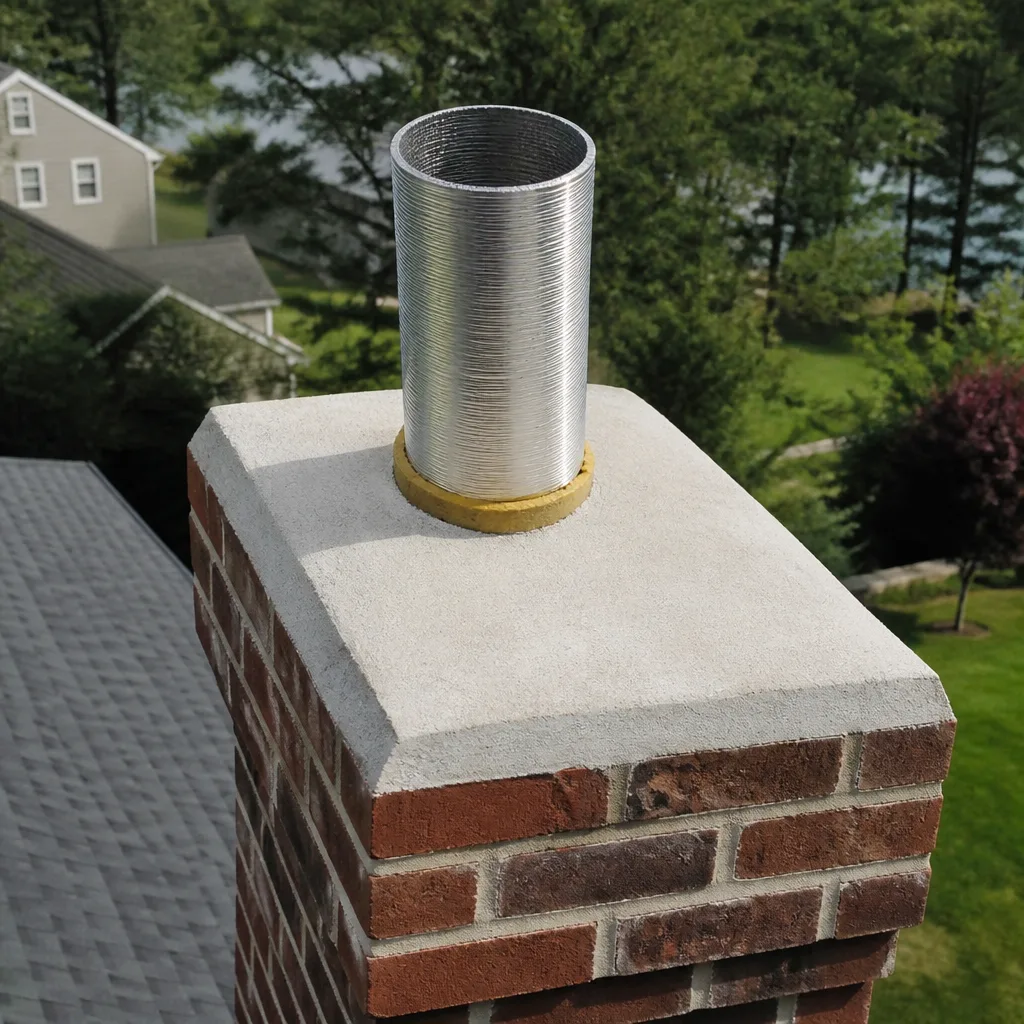
When a full reline is the right call, flexible liner systems like DuraFlex are often the practical choice, especially in older homes where a rigid liner wouldn’t fit the bends and offsets of an original chimney. The brand matters less than the diagnosis: a specialist who has worked with both approaches, plus systems like Gelco and Olympia Chimney, can tell you honestly which applies to your chimney.
Our advice is always the same: inspect first, recommend second. If the liner can be resurfaced, we’ll say so. If it needs a full replacement, we’ll show you the photos and the reason. The fireplace repair side of the service covers the firebox and damper work that often accompanies a liner decision.
Common Mistakes to Avoid
- Booking a cleaning without asking about the smoke chamber. If the smoke chamber isn’t in the quote, it won’t be in the cleaning. Ask before you book, and expect a straight answer.
- Accepting a cleaning with no inspection. A brush and vacuum without a liner check can leave the very damage that causes most chimney fires invisible. Insist on the camera and the report.
- Treating spring or summer as a rest. Hayes Barton’s humid summers let creosote and moisture work on the chimney while nobody is looking. A late-summer check before the season starts is the practical habit.
- Ignoring the cap and crown. Water is the leading cause of chimney damage, and it almost always gets in at the top. A missing or broken cap is a leak waiting for the next rain.
- Burning unseasoned or green wood. It burns cool and wet, which is exactly the recipe for that glazed creosote older Hayes Barton chimneys are prone to.
- Hiring a generalist “handyman” service for a chimney. Chimney work is its own trade. A company that also does gutters and drywall is unlikely to have the liner camera, the smoke chamber tooling, or the brand relationships that real diagnosis requires.
- Going ahead with a big repair without photos. If a company recommends a reline but can’t or won’t show you the evidence, don’t proceed. Get the photos first, then decide.
When to Call a Professional
Book a specialist when you smell smoke in the house during or after a fire, when a fire burns poorly or smokes back into the room, or when you can see staining or damage to the chimney from outside. Call immediately if you suspect the chimney has already caught fire, even a small one. Any home that’s changed hands without a documented chimney history should have a full inspection before the next burn season in Hayes Barton.
And if you’ve simply never had the chimney serviced and aren’t sure where it stands, that’s the most common reason to call. Chimney Sweep Hayes Barton offers free estimates in Hayes Barton. Call (855) 658-4229. We answer 24/7, with fast dispatch from 7am to 7pm, Sunday through Friday.
Frequently Asked Questions
Most chimneys should be cleaned once a year, or more often if you burn heavily. The honest answer depends on your burning habits and what the last inspection found, so a yearly inspection is how you know when cleaning is actually due. Call (855) 658-4229 and we’ll help you figure out where your chimney stands.
A routine cleaning typically lands in the range you’d expect for a full three-layer service rather than a brush-and-go, and the written estimate sets the final number before any work starts. The price depends on buildup, access, and whether an inspection is included. Call (855) 658-4229 for a free estimate.
Not always, and that’s the point of inspecting first. Damaged liners caught early can sometimes be resurfaced with a system like HeatShield instead of replaced with a full reline. Ask to see the camera photos before you agree to anything, and don’t proceed until they’re in front of you. Call (855) 658-4229 if you want a second look at what you’ve been told.
Creosote builds up in layers the flue can’t shed on its own, and once it reaches a glazed state it’s far harder to remove and much more likely to ignite. The risk isn’t cosmetic: a fire inside the chimney can damage the liner and the structure around it before anyone notices. Call (855) 658-4229 to book a cleaning and find out what’s actually in there.
Yes, and that’s exactly the kind of chimney that most needs a careful look. A home with no service history should get a cleaning plus a Level 2 inspection so the liner and structure are checked, not just brushed. Call (855) 658-4229 to set up the appointment.
Only if the cleaning included an inspection that shows the flue is intact and clear. A cleaning without inspection can leave hidden damage in place, which is why the NFPA reports so many chimney fires in recently cleaned systems. Our approach is inspect first, recommend second, with a report you can read yourself.
The Bottom Line
Chimney cleaning in Hayes Barton is a three-layer job, and the layers you can’t see are the ones that matter. Sweep the firebox, clear the smoke chamber, brush and inspect the full liner, and get a written report with photos that tells you plainly whether the chimney is safe to burn. The humid summers and older homes in this neighborhood make creosote and moisture a bigger deal than in a dry, newer market, so the inspection matters more, not less. When something’s damaged, ask whether it can be resurfaced before it’s replaced. And never accept a repair recommendation you can’t see with your own eyes.
If you want the full sequence handled by a specialist, Chimney Sweep Hayes Barton covers sweeping, inspection, cap and crown work, fireplace repair, and structural chimney repair. Call (855) 658-4229 for a free estimate. We answer 24/7, with fast dispatch from 7am to 7pm, Sunday through Friday.
Written by the team at Chimney Sweep Hayes Barton.
Styles & brands we work with
- Sweep & inspection
- Caps & crowns
- Flue relining
- Masonry repair
- Gas fireplace service
See the difference
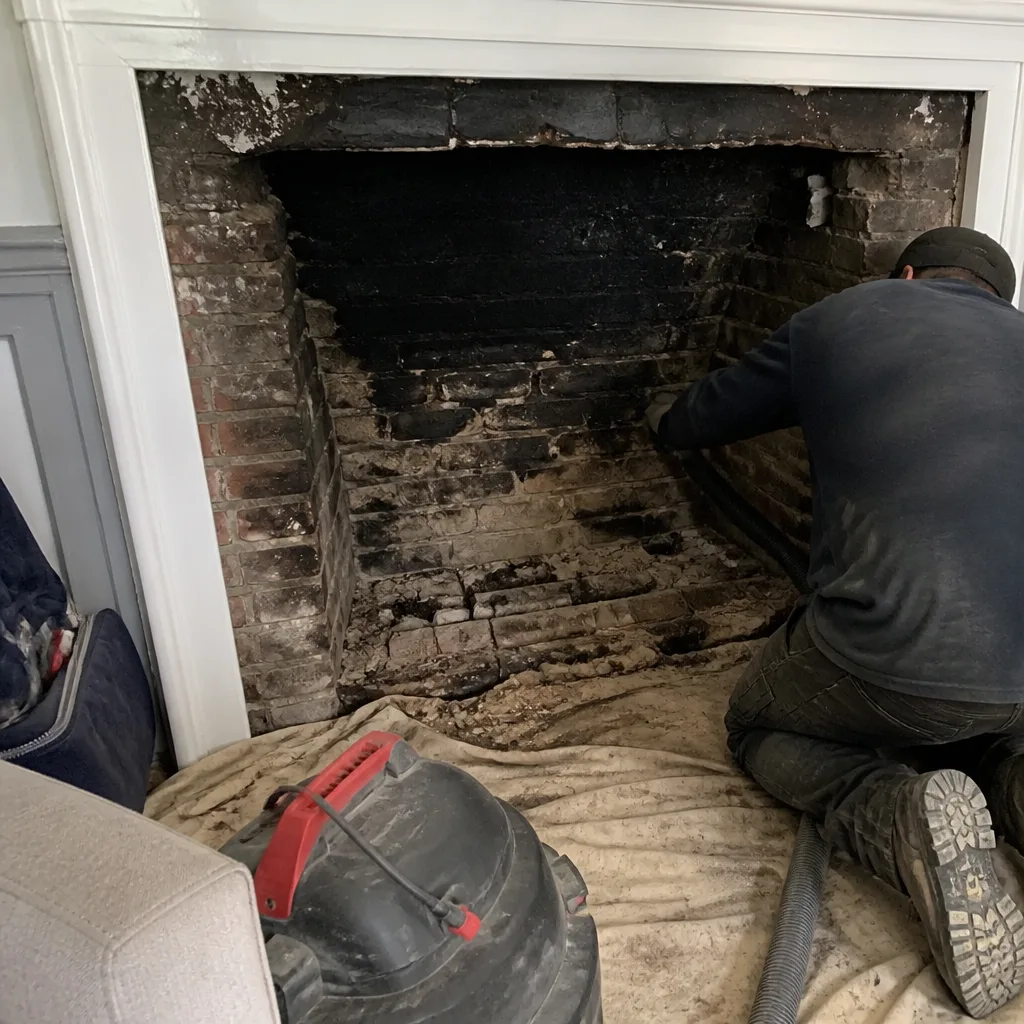 Before
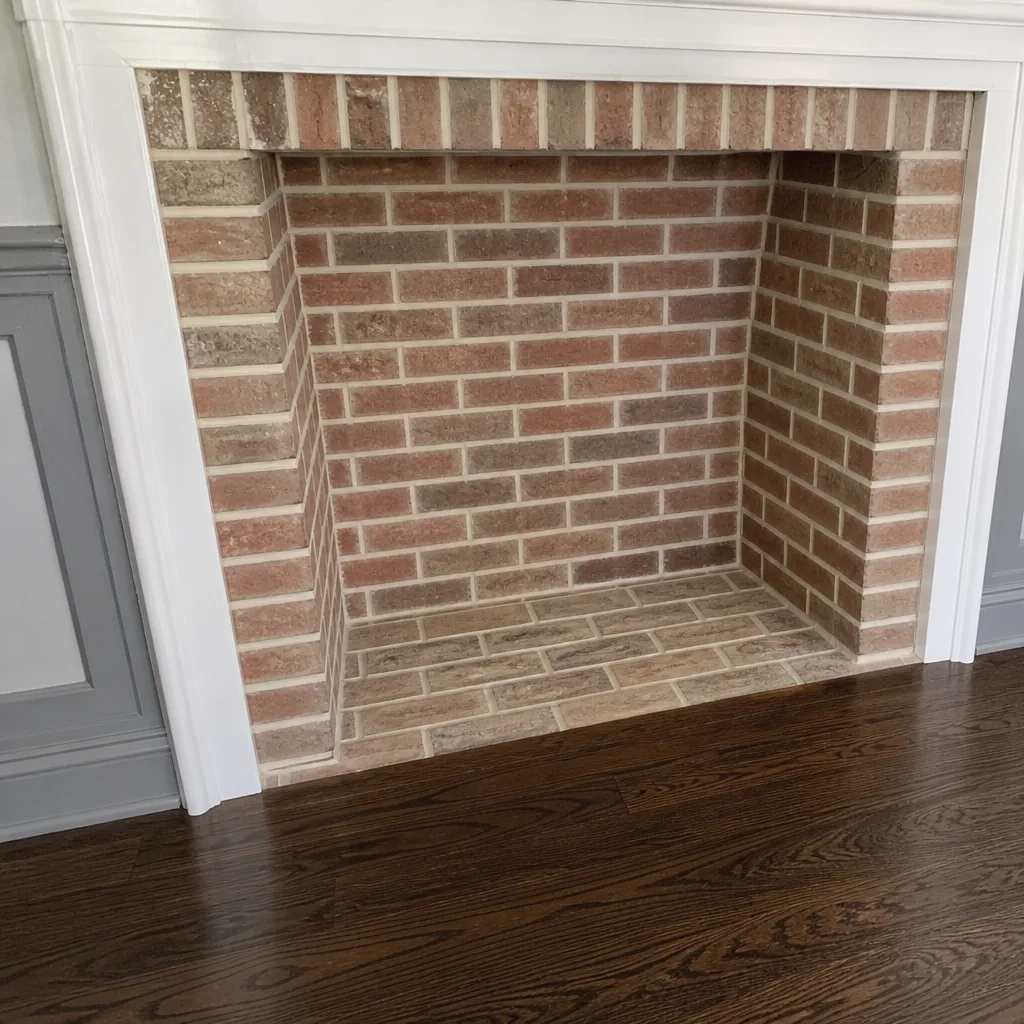 After
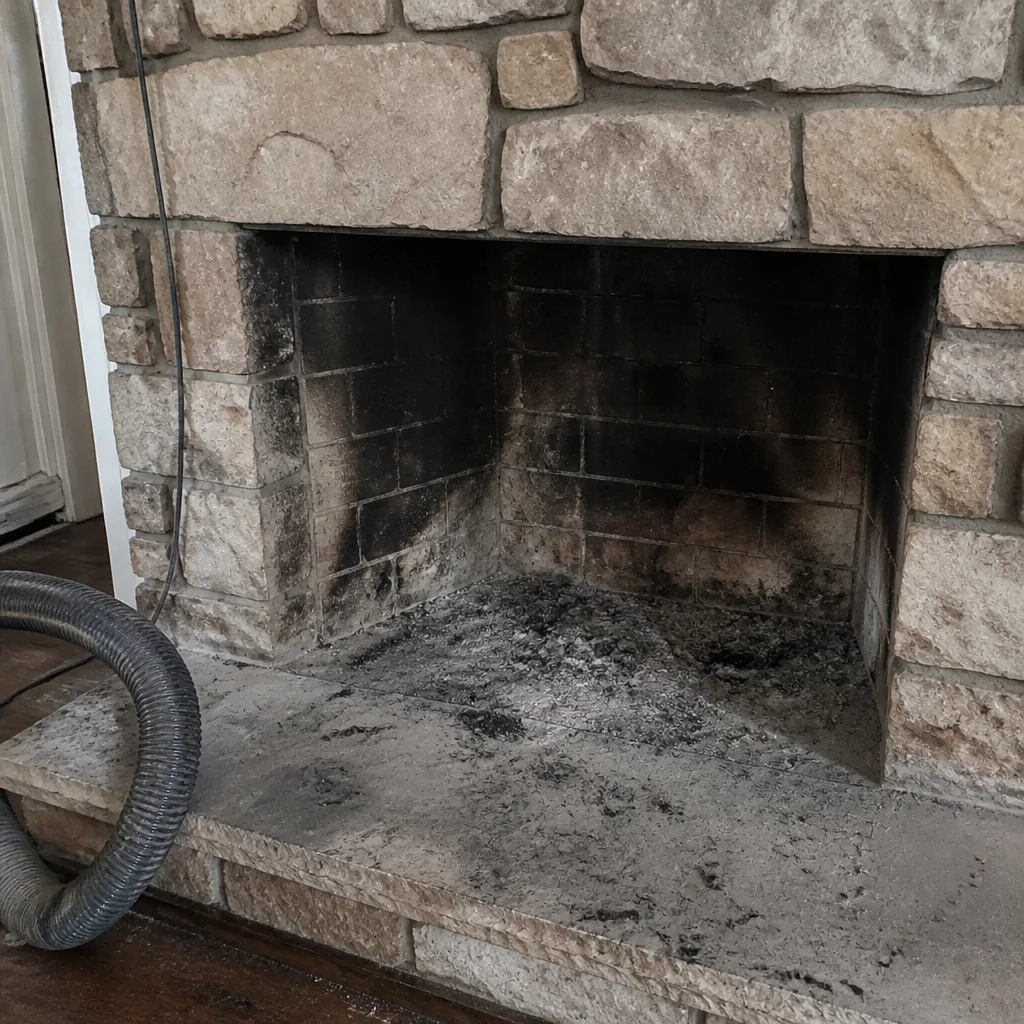 Before
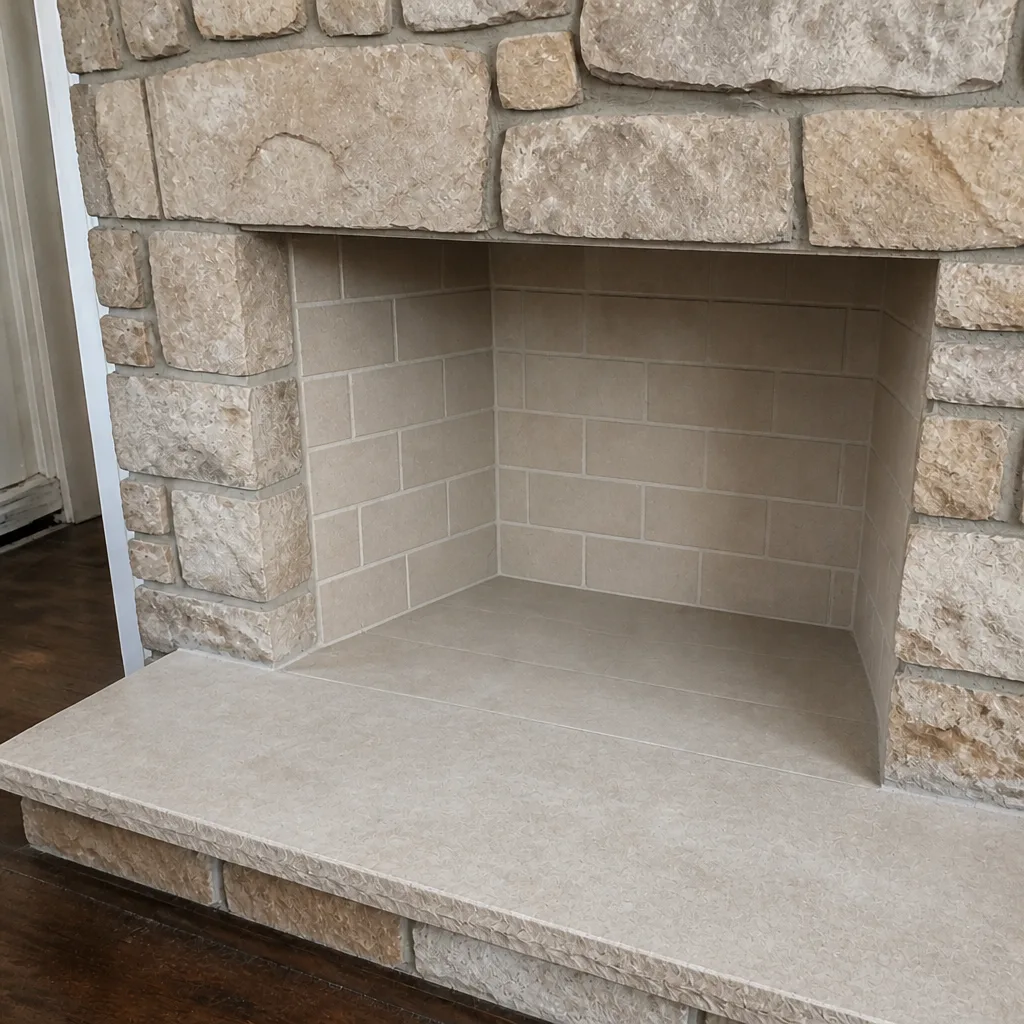 After
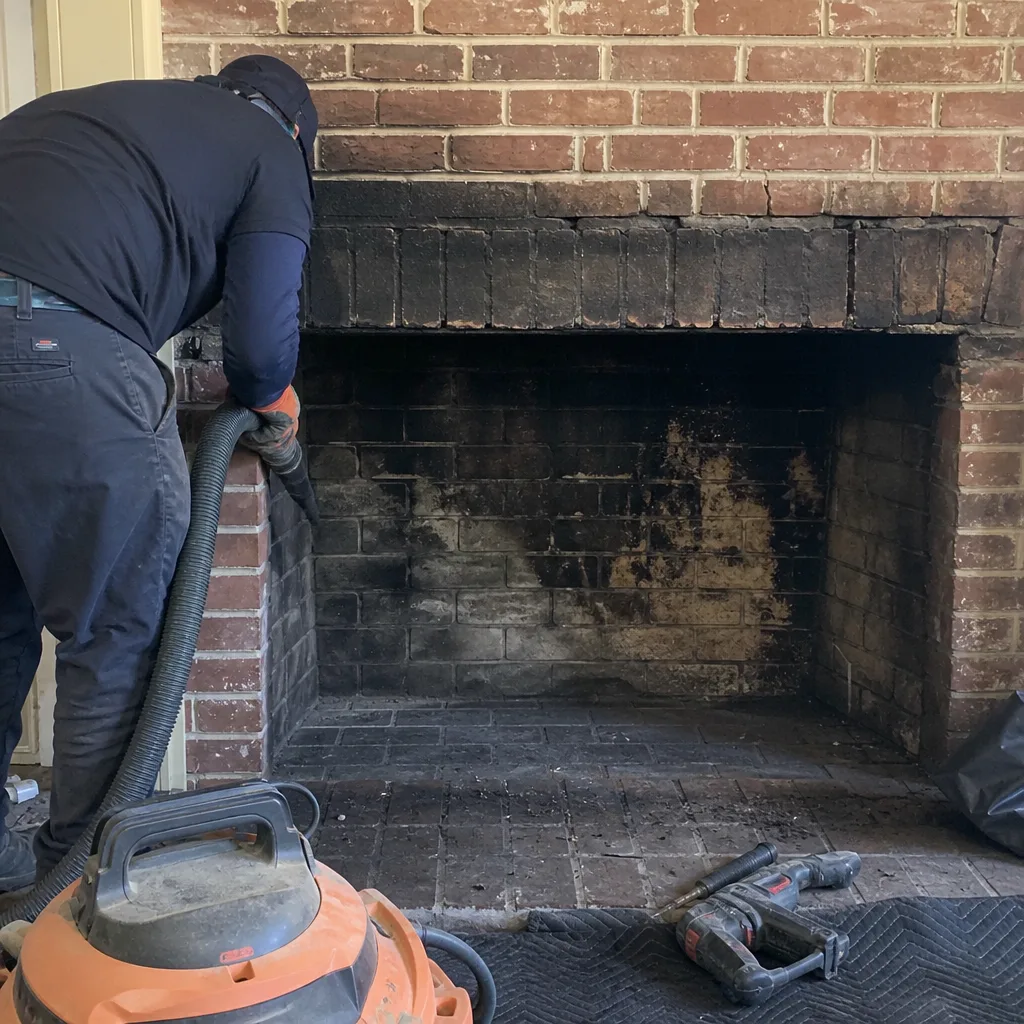 Before
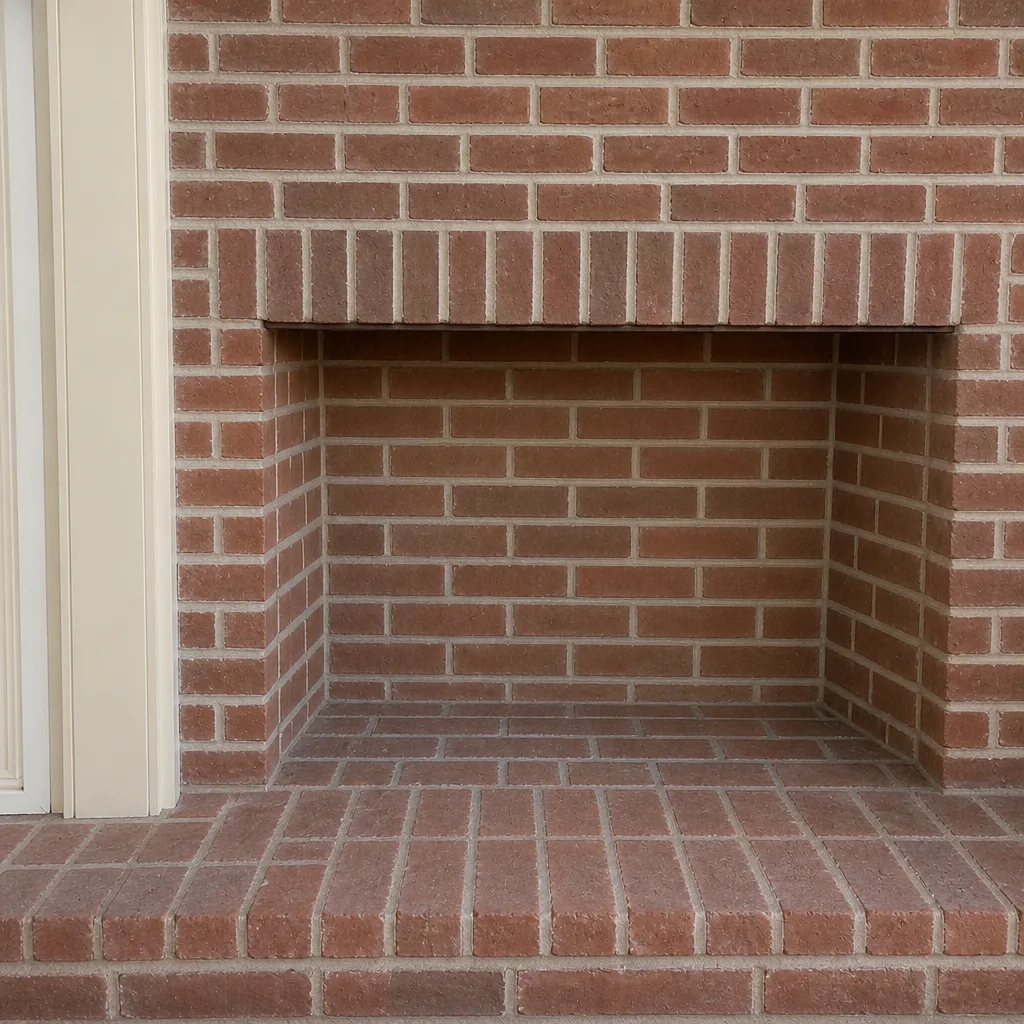 After