
Last updated November 24, 2026
 Sweep & inspection
 Caps & crowns
 Flue relining
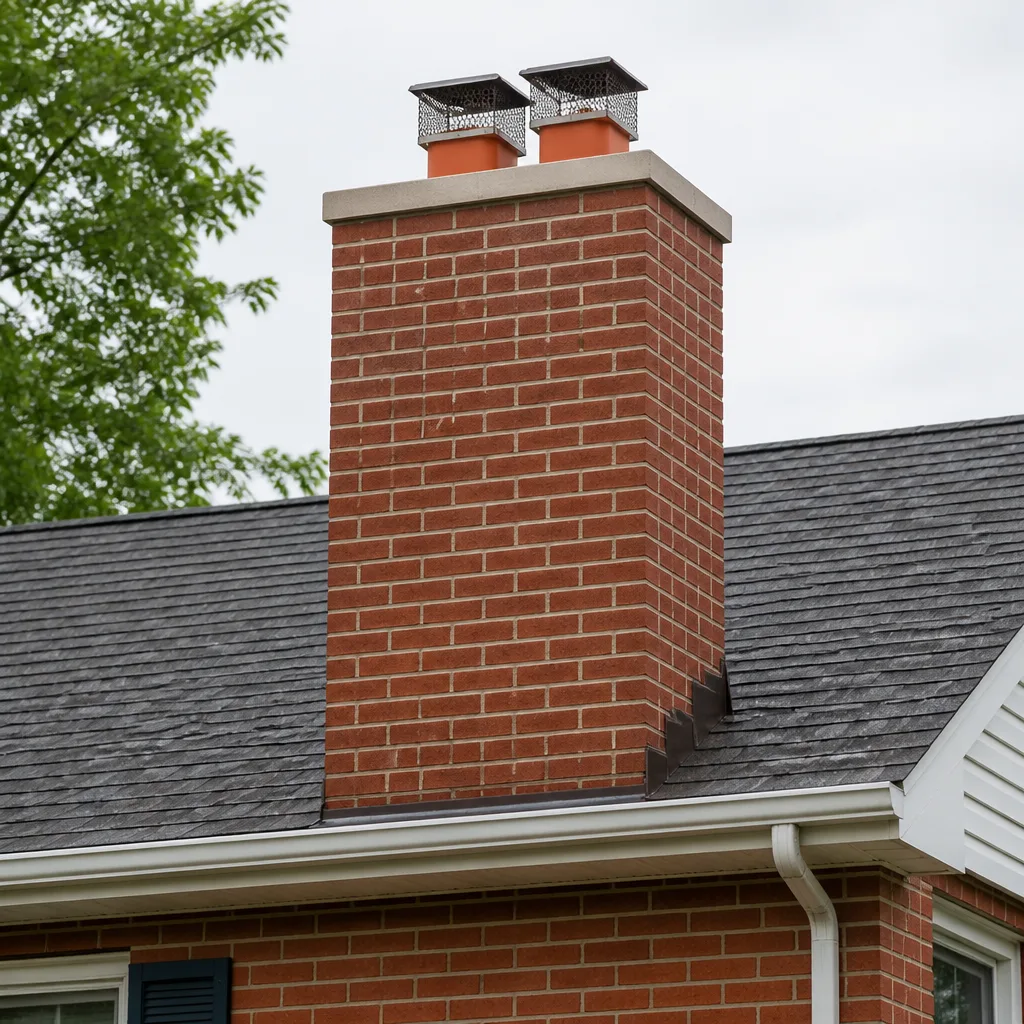 Masonry repair
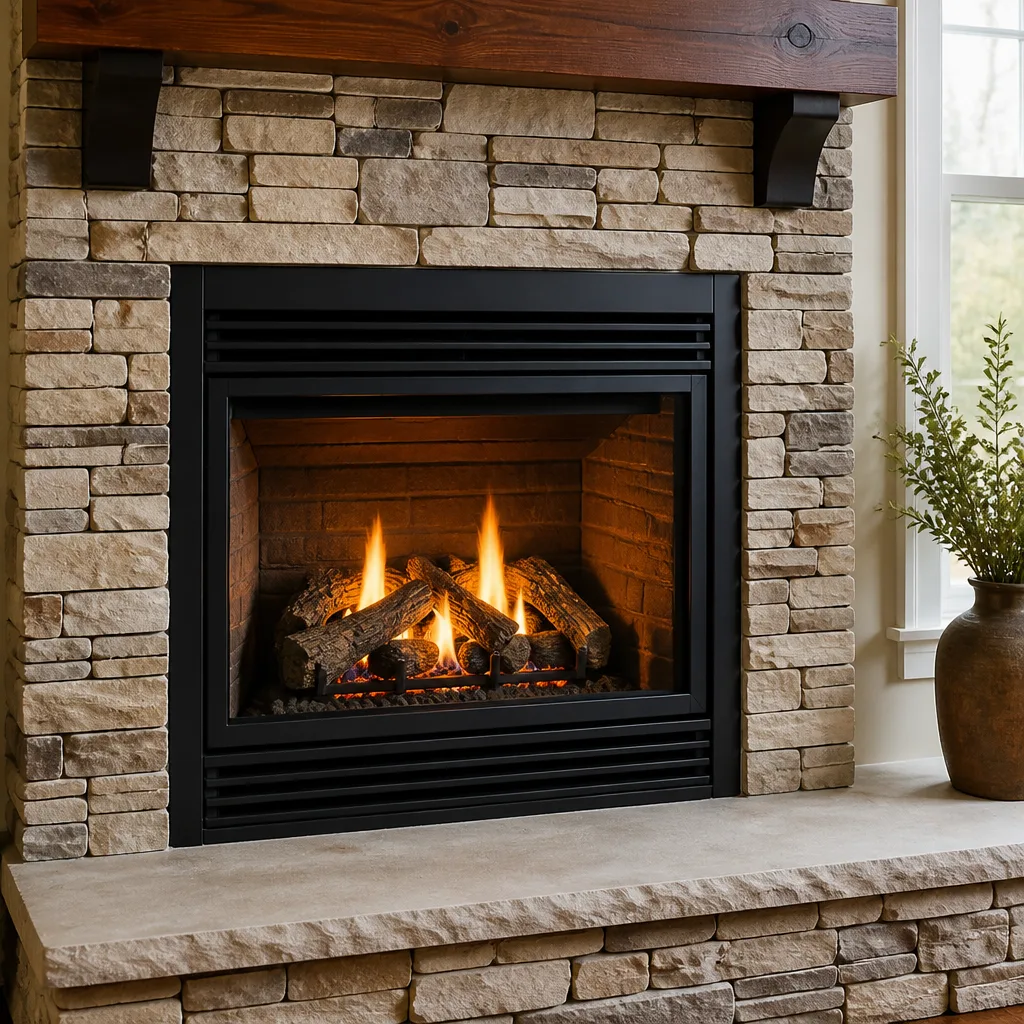 Gas fireplace service
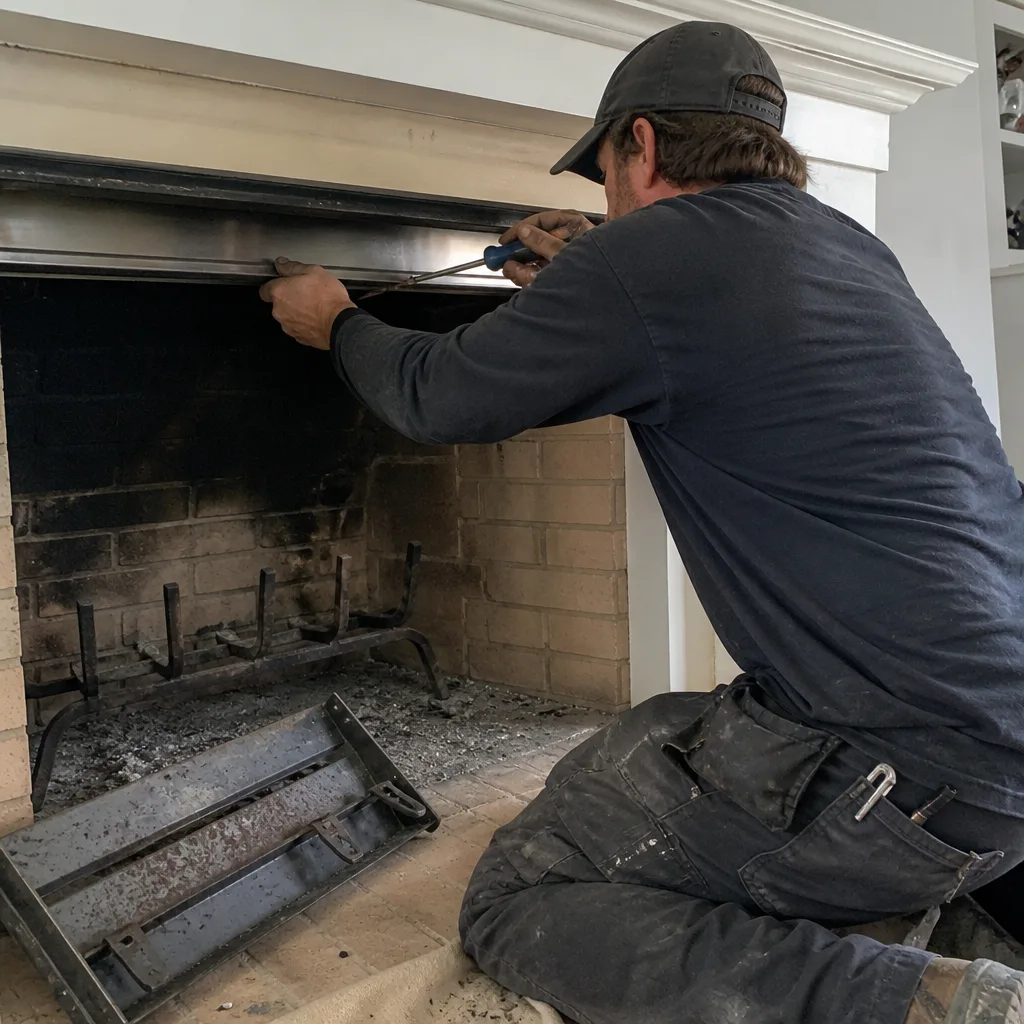
Level 1 sweep and inspection to the NFPA 211 annual standard - flue, crown, cap, and flashing checked and photographed
Chimney sweep logs do not sweep chimneys. They loosen some creosote - which then falls where a brush and vacuum still have to collect it.
Seasonal Chimney Cleaning Care for Hayes Barton: Year-Round Homeowner’s Guide
The conventional advice is “sweep before winter.” In Hayes Barton, that timing misses the two months in late summer when humidity-driven moisture is actively working on mortar joints, before a single fire is lit. Central North Carolina doesn’t give a chimney a clean four-season rhythm; it gives it a humid subtropical year where moisture and heat take turns stressing the flue, the crown, and the masonry from both directions. That changes the care calendar. This guide walks through four distinct stress periods, what to do in each one, the closure steps most homeowners skip in spring, and the August-to-September inspection window that catches damage before heating season compounds it. Everything here is written for Hayes Barton homes specifically, not lifted from generic national advice.
Quick Answer
Chimney care in Hayes Barton follows a four-season calendar built around humidity, not just cold: spring cleaning and closure after the last fire, a late-summer inspection in August and September before moisture damage compounds with heating load, an autumn sweep and cap check before the first burn, and winter monitoring during peak use. Annual sweeping plus a seasonal inspection, with cap and crown checks at every turn, prevents most of the damage that turns a routine cleaning into an expensive repair.
Styles & brands we work with
- Sweep & inspection
- Caps & crowns
- Flue relining
- Masonry repair
- Gas fireplace service
Table of Contents
- Why Hayes Barton Has Four Chimney Stress Periods, Not Two
- Spring: Post-Fire Closure and the Steps Most Homeowners Skip
- Summer: Humidity, Mortar, and the Twelve-Month Moisture Problem
- Late Summer: The August-September Inspection Window
- Hayes Barton Pollen Season and Your Rain Cap and Mesh Screen
- Autumn: Pre-Season Sweep and Cap Check Before the First Fire
- Winter: Monitoring Through Peak Use
- The Month-by-Month Hayes Barton Chimney Care Calendar
Why Hayes Barton Has Four Chimney Stress Periods, Not Two
Most chimney advice is written for a climate that has two meaningful seasons: winter, when the chimney gets used, and not-winter, when it sits idle. That framing fits New England or the upper Midwest. It doesn’t fit Hayes Barton or the surrounding neighborhoods of Raleigh, where the year breaks into four periods that each put a different kind of stress on the chimney system.
The reason is humidity. Central NC sits in a humid subtropical zone, which means warm, wet air most of the year, heavy summer thunderstorms, and a fall that can stay warm and muggy well into October. Freeze-thaw is real here, but it’s a winter event, and it’s not the main driver of masonry deterioration. The main driver is moisture sitting in brick and mortar for months at a time, driving cycles of expansion and slow corrosion that most homeowners never see until a joint crumbles or a crown cracks.
That gives us four stress periods:
- Spring – the last fire is done, and the chimney is about to sit damp for months unless it’s closed up properly.
- Summer – peak humidity, driving moisture into any crack or pore it can find, with no heating draft to dry things out.
- Late summer into early fall – the peak risk window, when accumulated moisture damage meets the first heating cycles.
- Winter – peak use, creosote buildup, and occasional freeze-thaw on wet masonry.
A care calendar built around these four periods prevents the compounding damage that makes annual cleaning appointments more expensive than necessary. Ignoring them is what turns a $200 sweep into a $3,000 rebuild down the line.
If you want the sweep itself scheduled, our chimney sweep includes a camera inspection and photo report so you can see exactly what condition the flue is in before anything is recommended.
Spring: Post-Fire Closure and the Steps Most Homeowners Skip
Spring is when the chimney stops being used and starts sitting idle for five or six months. That transition matters more than most people realize. A chimney left mid-season, with a soot-loaded flue, an open damper, and a crown that took in water over the winter, becomes a moisture trap for the entire summer.
Here’s what a proper post-fire closure looks like, in order:
- Do a final sweep now, not in the fall. Soot and creosote left sitting in a humid flue absorb moisture and become acidic. A spring sweep clears the residue before it has months to interact with damp air.
- Close the damper and check its seal. An open or leaky damper lets humid air into the firebox, where it condenses on cool masonry. A simple visual check with a flashlight will tell you if it seats properly.
- Inspect the cap and crown from the ground with binoculars. Look for missing mesh, cracked mortar, or visible gaps at the crown edge. These are the entry points for water and animals through the summer.
- Remove ash from the firebox. Leftover ash holds moisture. A clean firebox dries faster.
- Look at the exterior flashing where the chimney meets the roof. Spring storms test flashing more than winter does. If you can see daylight, call us.
In Hayes Barton, the spring closure also happens right when the pollen and spring rains are at their peak. If your cap has open mesh, pollen and seed pods can clog it within weeks. That’s not a chimney safety issue, but it does affect draft when you start using the fireplace again in the fall, and it’s a sign the cap needs servicing.
If your closure inspection turns up a cracked firebox, a damaged damper, or loose mortar at the smoke chamber, that’s a job for fireplace repair now rather than in October, when the calendar fills up and moisture has had months to work on the damage.
Summer: Humidity, Mortar, and the Twelve-Month Moisture Problem
Most homeowners think of chimney damage in terms of freeze-thaw: water gets in, it freezes, it expands, the brick cracks. That’s a real process in January and February in central NC. But it’s the short half of the story. In Hayes Barton, moisture damage runs twelve months a year, and summer is when it does the most work.
Here’s why. Mortar is porous. Brick is porous. When the outside air sits at 80 to 90 percent relative humidity for weeks at a time, any exposed brick and mortar at the top of the chimney absorbs moisture and stays saturated. Driven rain and afternoon thunderstorms add to it. Unlike winter, when a heating draft pulls warm dry air up the flue and pulls moisture out, summer has no draft. The chimney just sits wet.
What that does to masonry over ten or fifteen years is gradual but consistent:
- Mortar joints soften and lose their bond with the brick.
- Crown mortar (the sloping cap at the very top) hairline-cracks, then opens wider under thermal cycling.
- Water finds its way behind the crown and into the flue tile joints.
- Flue tile and clay liner sections crack or spall, allowing gases and creosote to migrate behind the liner.
None of this is dramatic. It’s just slow, and it’s easy to miss because it happens on the part of the chimney you can’t see.
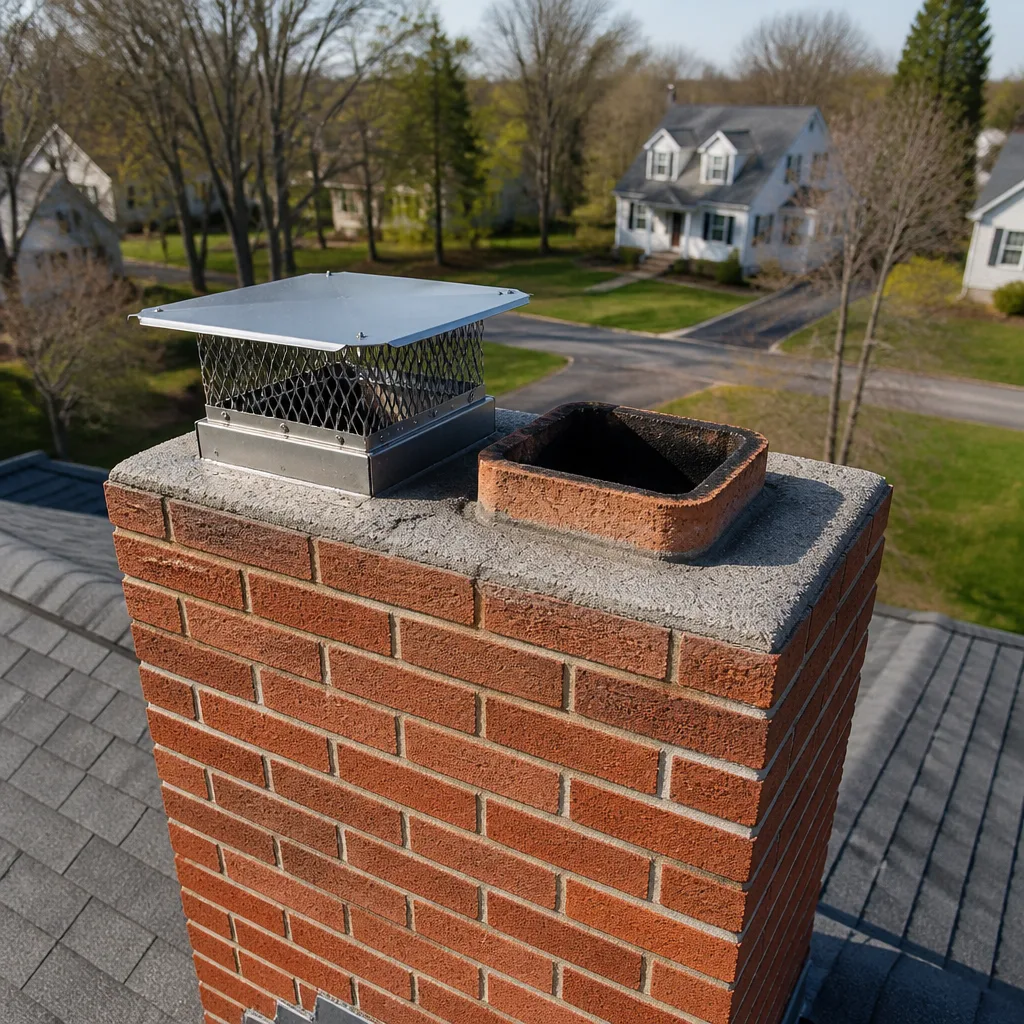
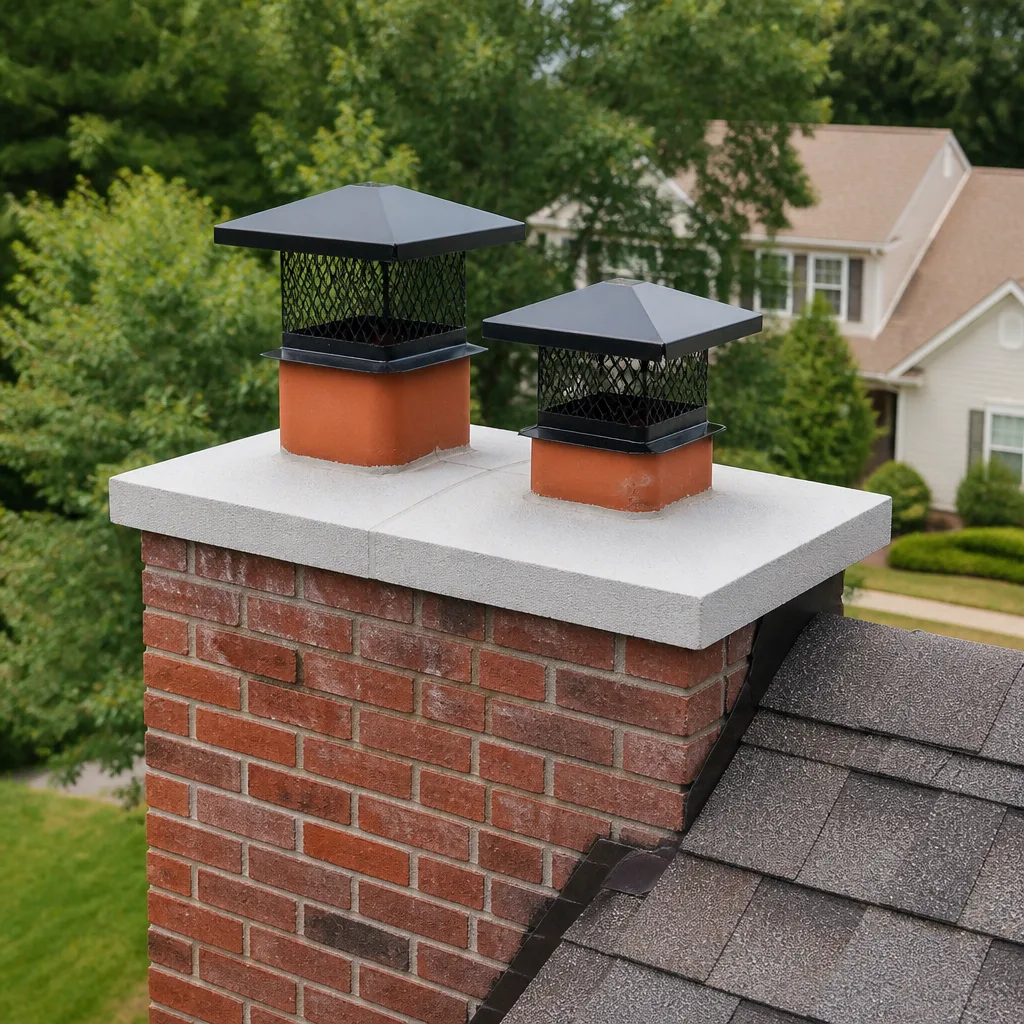
This is where the cap and crown earn their keep. They are the water barrier, and they’re the single most important thing to check every year, not just once every few. We work with professional-grade materials for cap and crown installs, including Famco components and Copperfield crowns where the pitch and load require them. If your crown is cracked, or your cap has a bent hood or missing mesh, repairing it in June prevents the summer corrosion cycle from continuing. Waiting until fall means the moisture has had another full season.
If you want to know what’s happening inside the flue before assuming the damage is cosmetic, our Chimney Sweep Hayes Barton team runs a camera inspection with every visit and hands you the photo report so you can see what we see.
Late Summer: The August-September Inspection Window
This is the window most homeowners and most service calendars miss. Between the end of July and the start of the heating season, chimney damage from the summer humidity is at its peak, but nothing has been lit yet. An inspection in late August or early September catches problems at the last cheap moment: before moisture damage compounds with the thermal stress of heating loads and creosote deposits.
What a late-summer inspection looks for:
- Crown and cap condition. Cracked mortar, loose flue tile, missing mortar at the crown edge, bent or missing cap mesh.
- Flue interior via camera. Cracked tiles, gaps at the tile joints, spalling, or a broken-off tile, all of which are more likely to have progressed from hairline to open by now.
- Firebox and damper. Loose firebrick, deteriorated mortar joints, a damper that no longer seals.
- Exterior masonry. Efflorescence (white staining) on the chimney face, which is a visible sign of moisture migration through the brick, and spalling brick faces that flake off.
- Flashing at the roofline. Lifted or cracked flashing that has been seeping since spring.
If the liner has hairline cracks but hasn’t lost structural integrity, this is also the moment to consider a non-invasive resurfacing with HeatShield, which restores the inside of the flue without a full liner replacement. That option closes the window between “cosmetic crack” and “need a new liner,” and it’s only available if you catch the issue at the right stage. That’s the inspect-first recommendation model: we don’t suggest a full reline when a HeatShield resurface will serve the same purpose.
The 2017 edition of NFPA 211, the national standard for chimneys and vents, calls for chimneys, fireplaces, and vents to be inspected annually and cleaned as needed. An August inspection satisfies that standard and hands you the information you need before the heating season starts.
Hayes Barton Pollen Season and Your Rain Cap and Mesh Screen
Pollen is one of those local issues that climate classification systems don’t capture but any homeowner in Hayes Barton knows. The spring tree pollen peak, followed by the summer grass pollen and the late summer weed pollen, sends fine, sticky particles into every available surface, including the mesh on your rain cap.
That matters for two reasons:
- Draft. Clogged mesh restricts airflow. A fireplace that drafts poorly, smokes into the room when you light it, or leaves the room smelling like wood smoke may simply need its cap cleaned.
- Animal intrusion. Pollen-saturated mesh becomes nest-friendly. Birds, squirrels, and chimney swifts are more likely to find a foothold in a clogged cap than a clean one. Chimney swifts in particular are a protected species in North America, so if you find nesting activity, call a professional rather than removing the nest yourself.
How to know when the cap needs cleaning, independent of the full sweep:
- Look up from the driveway. A cap that looks fuzzy or moss-tinted from below is likely clogged.
- Watch for a draft change. If your fireplace is smoking more than it used to, especially on still days, a restricted cap is a likely cause.
- Check after high-pollen weeks. In Hayes Barton, the last two weeks of March and the first two weeks of April are peak tree pollen; check the cap visually at the end of that window.
- Clean, don’t wait for the sweep. Cap cleaning is a quick, separate job from a full sweep and doesn’t have to be tied to the annual appointment.
We install and replace caps with Copperfield and Famco components, matching the hood and mesh to the flue size so the cap does its job without over-restricting draft. If the cap has been in place more than a few seasons and the mesh looks degraded, replacing it in spring is a low-cost fix that pays back through the summer.
Autumn: Pre-Season Sweep and Cap Check Before the First Fire
The September-October window is when the chimney gets prepped for real use. This is the sweep and safety inspection that most homeowners think of as the whole of chimney care. In a four-season calendar, it’s the last checkpoint before the system goes into service, not the only one.
What to do in autumn, in order of priority:
- Sweep the flue. A full sweep removes soot, creosote, and any nest material that accumulated over the summer. If it’s been more than one chimney season since the last sweep, or if you burn green wood or unseasoned firewood, sweep before the first fire.
- Do a camera inspection. Sweeping is only half the visit. The inspection is what tells you whether the flue is structurally sound. We do both in the same appointment because one without the other doesn’t tell you much.
- Test the damper. Open and close it fully. If it’s sticking or won’t seal, that’s a repair.
- Check the cap one more time. Summer storms, high winds, and wildlife move things around. A cap that survived the spring may have a damaged mesh by October.
- Schedule a chimney cap & crown check as part of the visit. If your crown is cracked, this is your last chance to repair it before cold-weather freeze-thaw starts opening it further.
- Have the first fire of the season on a mild evening and watch it. If it smokes, drafts poorly, or smells different than usual, stop and call before you use it again.
Our autumn chimney cap & crown inspection is where we catch the cracks that will get worse in the winter. If the crown is intact, the cap is intact, and the flue camera shows clean tile, you’re set for the season. If any of those is bad, you have time to fix it before the freeze.
Winter: Monitoring Through Peak Use
Winter is peak use season, and the priority shifts from prevention to monitoring. There’s nothing special to schedule unless the autumn inspection flagged something; the work now is watching the system under load.
What to watch for:
- Smoke backing into the room. That’s a draft problem, which can mean a clogged cap, a cracked flue tile, or a closed or damaged damper. Stop using the fireplace and call.
- Strong, acrid wood smoke smell that doesn’t clear. Creosote buildup beyond the level the autumn sweep left is possible if you’re burning heavily. If you’ve burned through more than a cord of wood since the sweep, a mid-season call isn’t unreasonable.
- Efflorescence on the exterior chimney face. The white staining means moisture is actively migrating through the brick. It can appear mid-winter if a flashing leak has been present since spring.
- Visible freeze-thaw damage after a hard cold snap. Cracked or spalled brick faces on the chimney need repair before the next freeze.
One thing to note in Hayes Barton specifically: our winter is long enough to matter and short enough that a chimney that went into the season with a flawed crown or a hairline-cracked flue tile will often make it to spring without obvious failure. The damage is happening; it’s just hidden under the frost line and the accumulated creosote. That’s why the late-summer inspection matters so much. It’s the point in the year when the accumulated damage from the previous winter and spring is visible, but the next season hasn’t started compounding it.
The fire safety piece is worth stating plainly: a dirty flue or a compromised liner is a real chimney fire risk, not a theoretical one, and that risk goes up in winter when creosote is actively building. If you haven’t had the system inspected before the season, do it now.
The Month-by-Month Hayes Barton Chimney Care Calendar
Here’s a condensed calendar that pulls everything above into a single sequence, written for central NC’s climate rather than a generic national schedule:
- January-February: peak burn, monitor for smoke issues, odors, and visible exterior damage.
- March: final fire of the season; check cap and crown from the ground after the last burn.
- April: spring sweep, close the damper, remove ash, camera inspect; note pollen loading on the cap.
- May: clean the cap and any mesh screens that filled with pollen and seed pods; check flashing at the roofline.
- June-July: humidity peak; the chimney needs no scheduled service, but visible crown cracks should be repaired now.
- August: camera inspection and structural check – the key late-summer window.
- September: any liner resurfacing (HeatShield), cap and crown repairs, and pre-season scheduling.
- October: full sweep and pre-season inspection before the first fire.
- November-December: the season begins; monitor under load; call if anything changes.
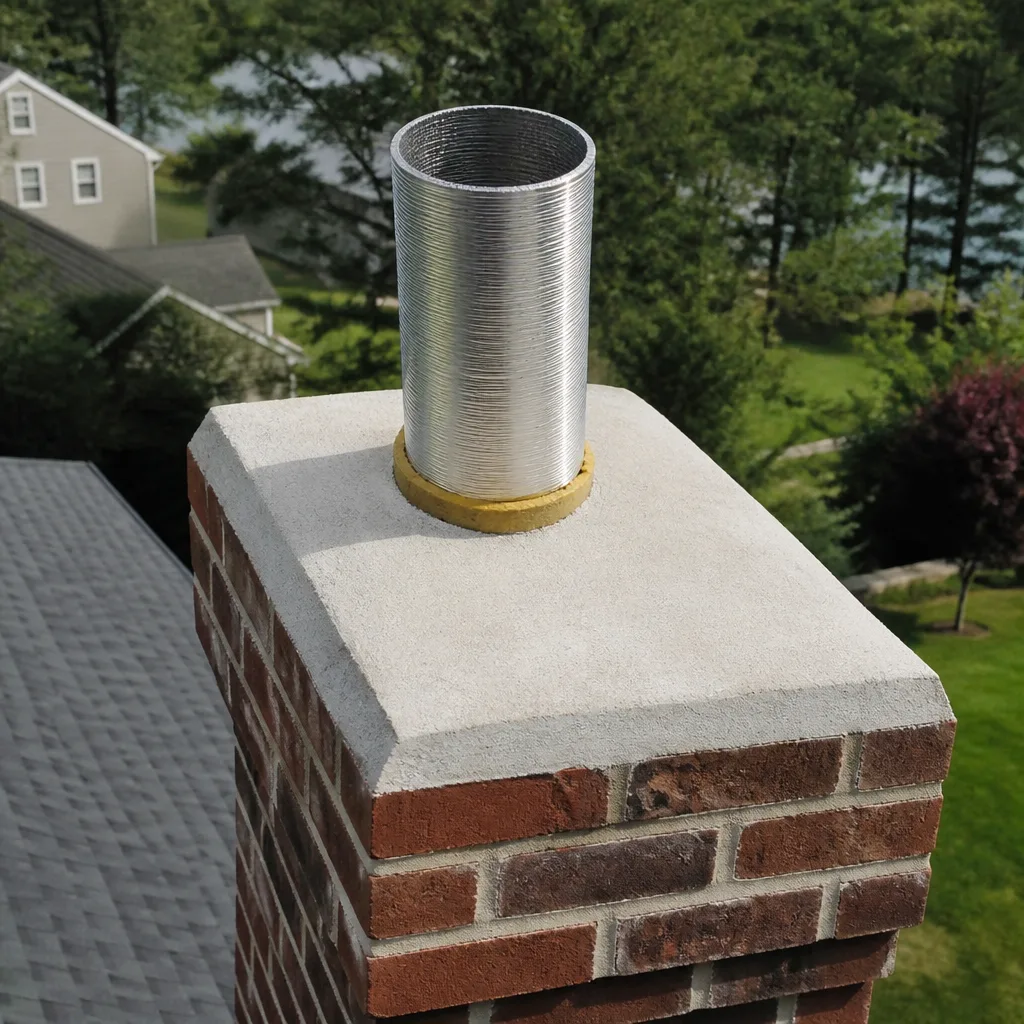
One note for Hayes Barton’s older homes in particular: the historic housing stock here runs heavily to homes with original brick chimneys and clay flue tiles that have been in place through decades of humid summers. That’s exactly the profile where the late-summer inspection catches the most, because original tile liners from the first half of the 20th century are more likely to have developed hairline cracks than newer construction. A camera inspection tells you which one you’re dealing with. And if the flue does need a liner, we install DuraFlex flexible liner systems that fit original masonry chases without needing the demolition a rigid liner would require.
Common Mistakes to Avoid
- Waiting until October to schedule everything. In Hayes Barton, the September appointment slot fills up fast because everyone remembers their chimney in the same week the first cold front hits. Doing the sweep in April and the inspection in August splits the work and catches damage earlier.
- Treating the crown as cosmetic. A cracked crown that gets ignored for one summer is a hairline crack. After three summers of moisture intrusion, it’s a flue lining problem. Repairs are per job by estimate, and the crown repair is the cheaper side of that estimate every time.
- Assuming the mesh cap doesn’t need attention. Pollen, seed pods, and small debris clog the mesh over a single season in central NC. Draft problems that look like damper issues often trace back to a clogged cap.
- Using a general handyman for structural chimney work. Chimney masonry, liner integrity, and crown repair are specialized. A generalist who does chimney repair on the side won’t have the camera equipment or the vendor access that lets them diagnose non-invasively.
- Skipping the inspection because the sweep “looked fine.” A sweep that doesn’t include a camera inspection is only half a service. You can’t see a cracked flue tile from the firebox or the roof.
- Burning unseasoned or green wood. Green wood drives creosote buildup and adds moisture to the flue. In a humid climate, both of those are worse than they are in a dry one.
- Leaving the damper open in summer. In a humid climate, an open damper is an open invitation for humid air to condense on cool masonry all season.
See the difference
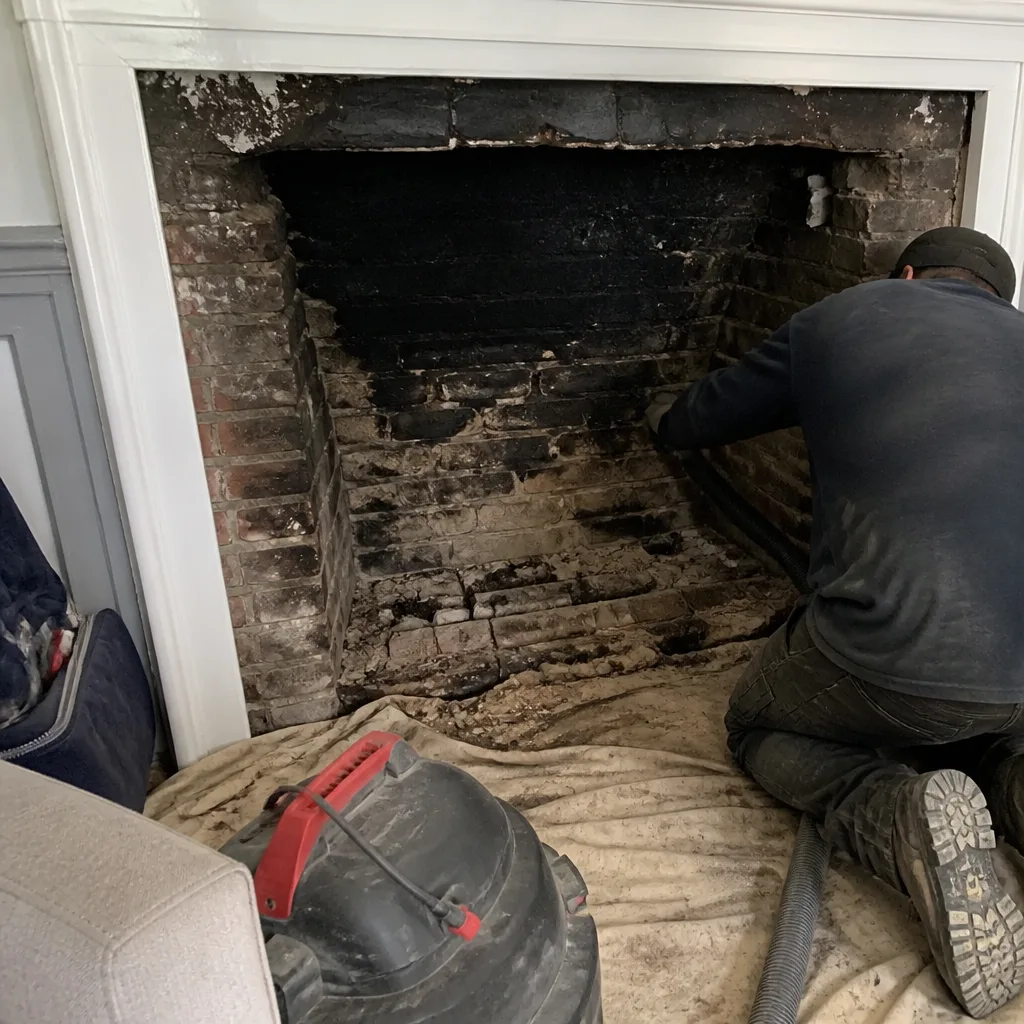 Before
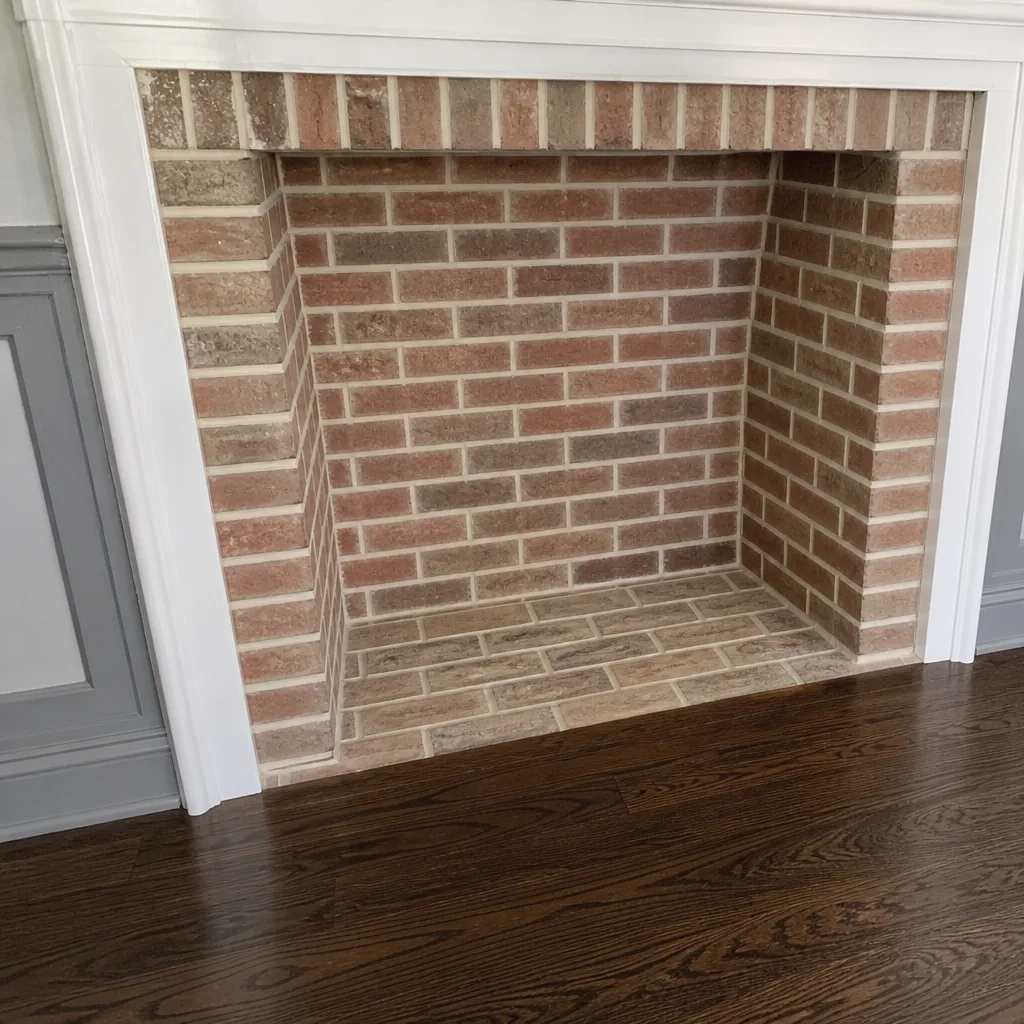 After
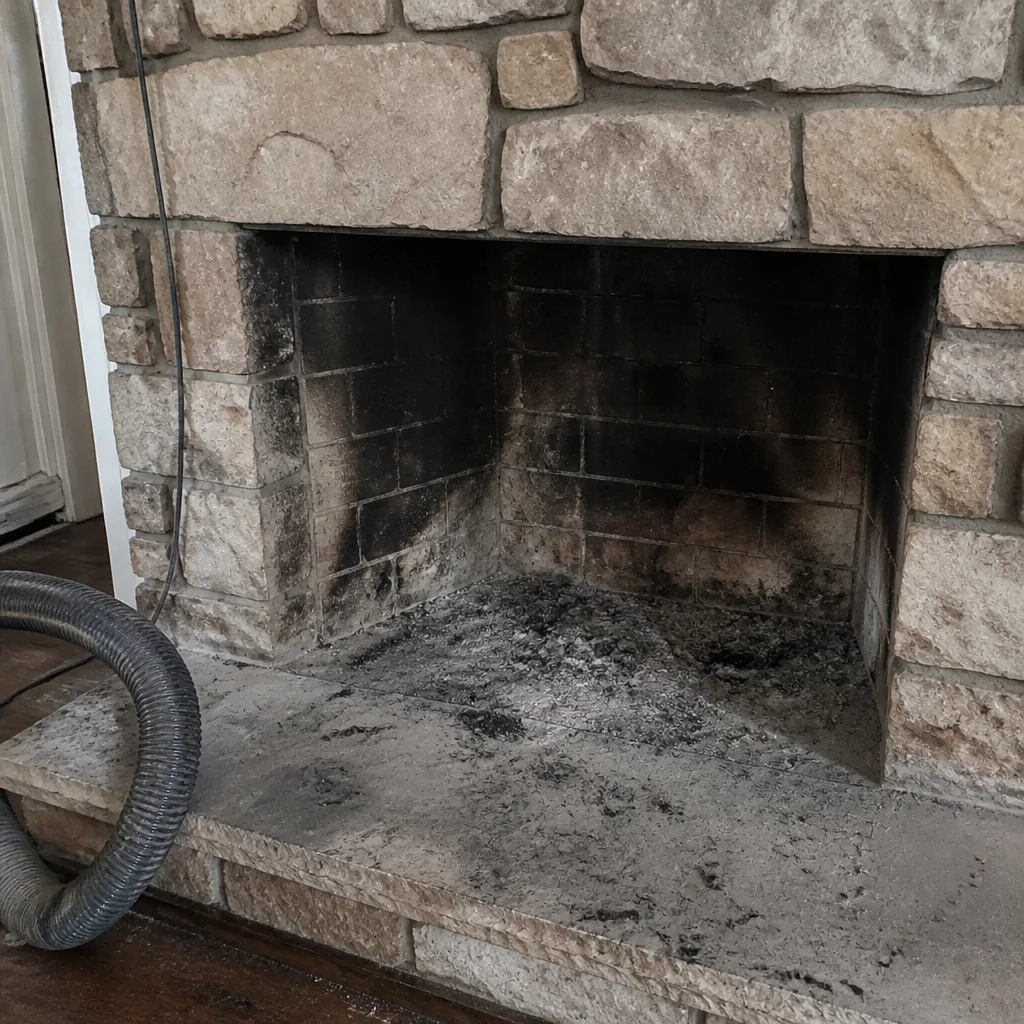 Before
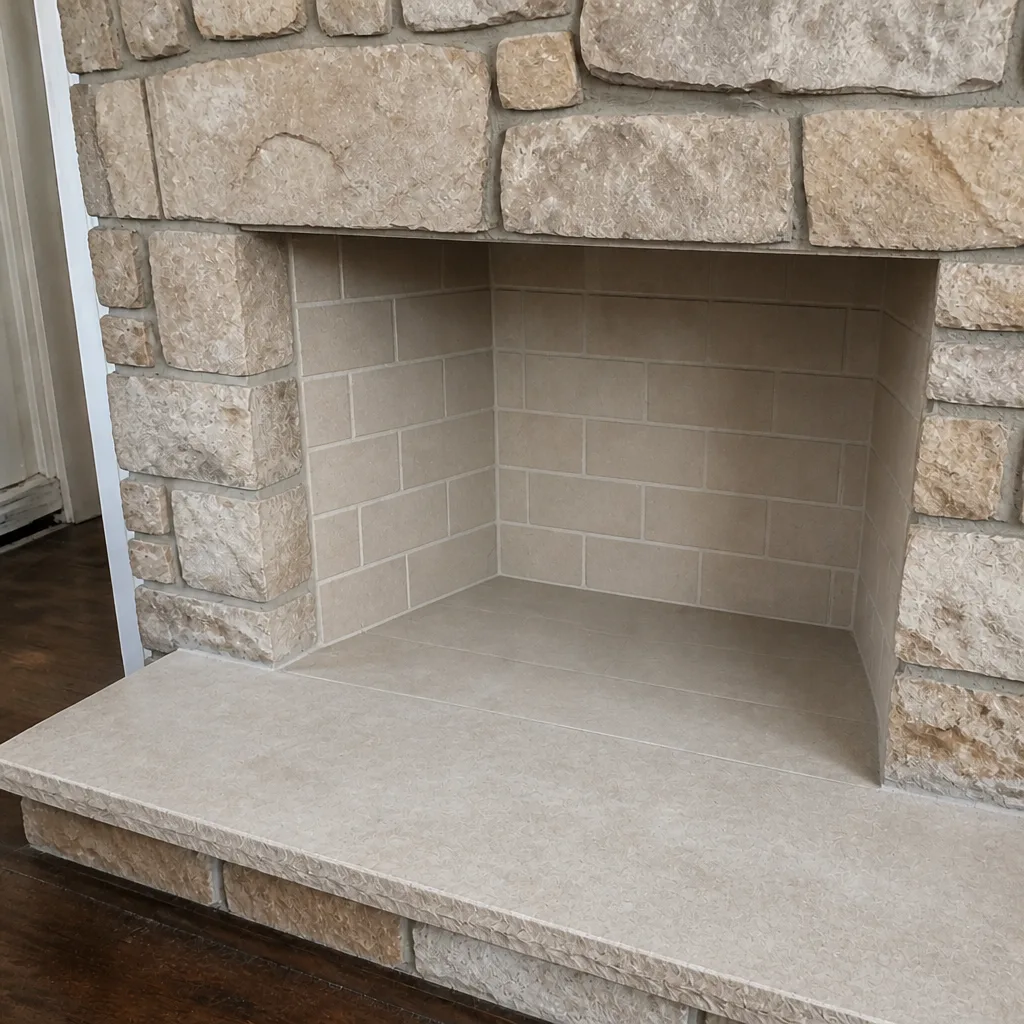 After
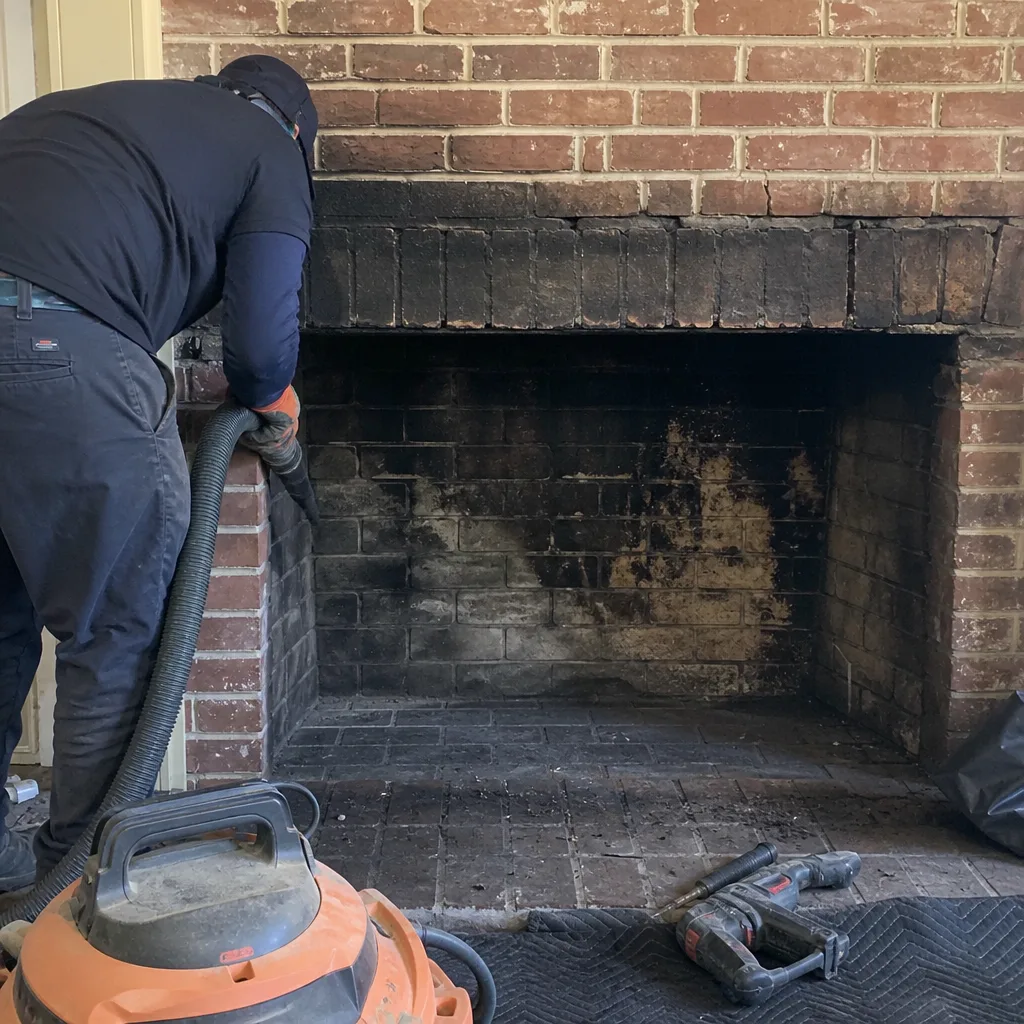 Before
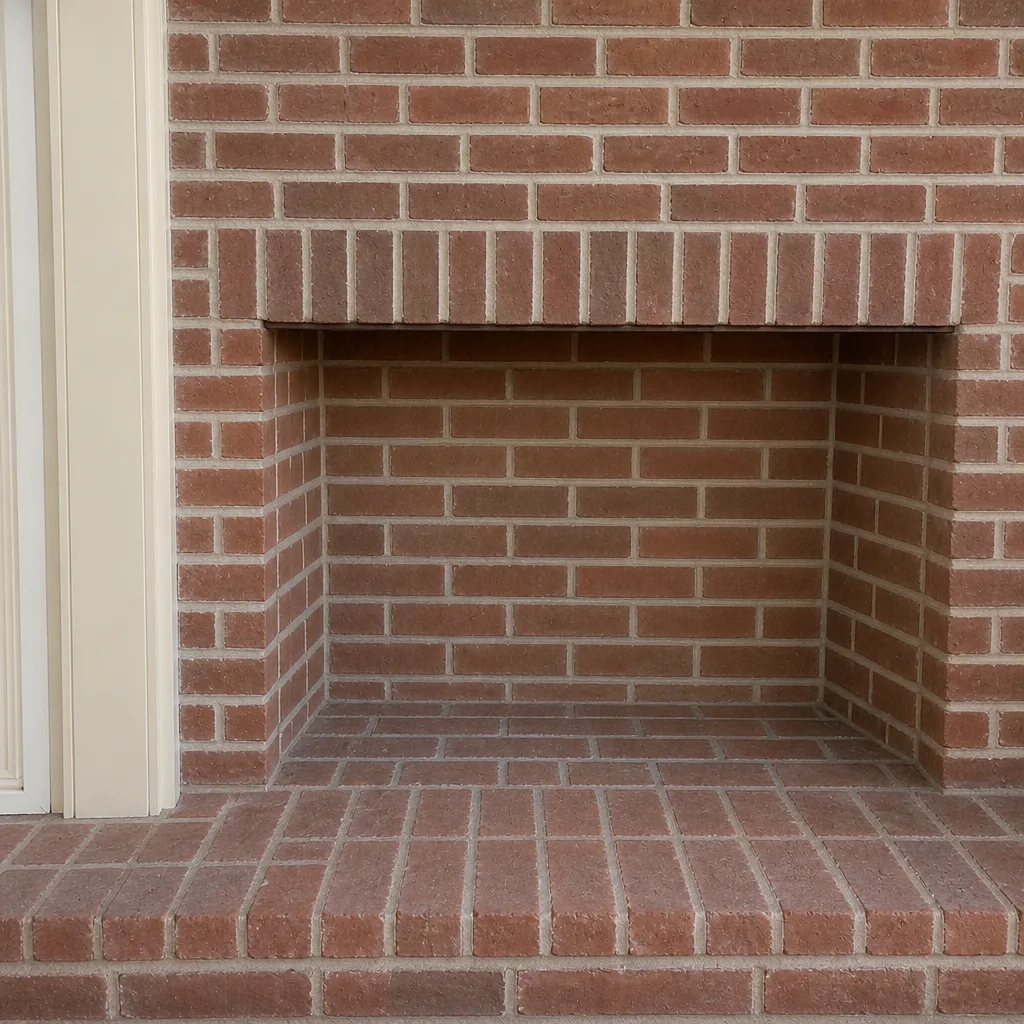 After
When to Call a Professional
Some chimney issues can be checked by a homeowner from the ground: visible crown cracks through binoculars, a bent or missing cap, or a damper that won’t seat. Everything on the inside, and anything involving masonry repair, liner integrity, or firebox reconstruction, needs a trained professional with camera equipment.
Specifically, call if you smell a strong acrid odor that doesn’t clear, if the fireplace smokes into the room, if you can see cracked mortar at the chimney crown from the ground, if the exterior brick shows white staining, or if it’s been more than one heating season since your last sweep and inspection.
Since Hayes Barton’s climate actively stresses the chimney twelve months a year, the safest schedule is annual rather than “as needed.” Chimney Sweep Hayes Barton offers free estimates in Hayes Barton – call (855) 658-4229. We answer 24/7. Fast dispatch from 7am to 7pm, Sunday through Friday. Every sweep includes a camera inspection and photo report so you can see exactly what we’re seeing before any recommendation is made. Our technicians have up to 12 years of experience, and we’re authorized to install and work with DuraFlex, HeatShield, Famco, Copperfield, Gelco, and Olympia Chimney.
Frequently Asked Questions
Once a year for most homes, and before each heating season if you burn heavily. The NFPA 211 standard calls for annual inspection and cleaning as needed, and in Hayes Barton’s humid climate the “as needed” part tends to land on the annual cycle because moisture and pollen accumulate faster than in a dry climate. If you burn more than a cord of wood per season, sweep in spring and inspect in late summer so the flue sits clean and dry through the humid months.
Creosote builds up inside the flue, and in a humid climate that creosote absorbs moisture, which accelerates corrosion of the flue tile and mortar joints. The real risk is a chimney fire: creosote is flammable, and a flue fire can damage the liner and reach the house structure. Skipping a year occasionally is unlikely to cause a problem; skipping several years in a row in central NC is when the compounding damage catches up. Call (855) 658-4229 for a free estimate and we’ll tell you exactly what shape the flue is in.
Not every cracked flue needs a new liner, and homeowners should always ask to see the camera evidence before agreeing to one. If the flue tile has hairline cracks but hasn’t lost structural integrity, HeatShield resurfacing often solves the problem at a fraction of the cost of a full reline. We inspect first and recommend second: if the liner is fine, we say so. Call (855) 658-4229 to schedule a camera inspection – the photo report goes home with you.
Late summer – August and September – is the critical inspection window because that’s when moisture damage from summer humidity peaks but hasn’t yet compounded with cold-weather thermal stress. In a two-season climate, the pre-winter sweep catches most issues. In a humid subtropical climate, an April closure and an August inspection catch the problems the October sweep misses. If you can only schedule one visit per year, make it the sweep and inspection in late summer or early fall.
A clogged mesh cap is a draft and animal-intrusion issue more than a fire safety one, but it does need attention. Pollen-clogged mesh restricts airflow, which can make the fireplace smoke into the room, and it makes the cap more appealing to birds and chimney swifts. Cleaning it is a quick job and can be done independent of a full sweep. If swifts or other protected birds have nested, call us rather than removing the nest yourself. Call (855) 658-4229 – we’ll take care of the mesh and any nesting activity.
They’re the primary defense against water intrusion, which in Hayes Barton is the leading cause of long-term chimney damage. The crown (the sloping mortar cap at the top) sheds rainwater away from the flue opening; the cap (the metal hood with mesh) keeps rain, animals, and debris out of the flue altogether. Cracks in either one let moisture in, and once moisture is inside the chimney, the humid climate here means it stays there. Our chimney cap & crown service installs and replaces both as one job. Call (855) 658-4229 for a free estimate.
The Bottom Line
Hayes Barton’s climate doesn’t fit the two-season chimney care model most national guides assume. Four stress periods – spring closure, summer humidity, late-summer moisture peak, and winter use – each need their own attention, and skipping any one of them lets damage compound in a way that turns a routine sweep into a structural repair. The high-leverage moves are simple: sweep in spring after the last fire, close the damper, clean the cap in late May after pollen season, inspect the flue and crown in August before heating season, and sweep again in October. Cap and crown integrity carries more weight in this climate than any other single factor.
Chimney Sweep Hayes Barton handles the full arc – sweeps, inspections, fireplace and chimney repair, cap and crown work, and DuraFlex liner installs – so you don’t need to coordinate three contractors through the year. Estimates are free and per job, and every recommendation comes with the camera evidence to back it up. Call (855) 658-4229 to schedule. We answer 24/7. Fast dispatch from 7am to 7pm, Sunday through Friday.
Written by the team at Chimney Sweep Hayes Barton.