
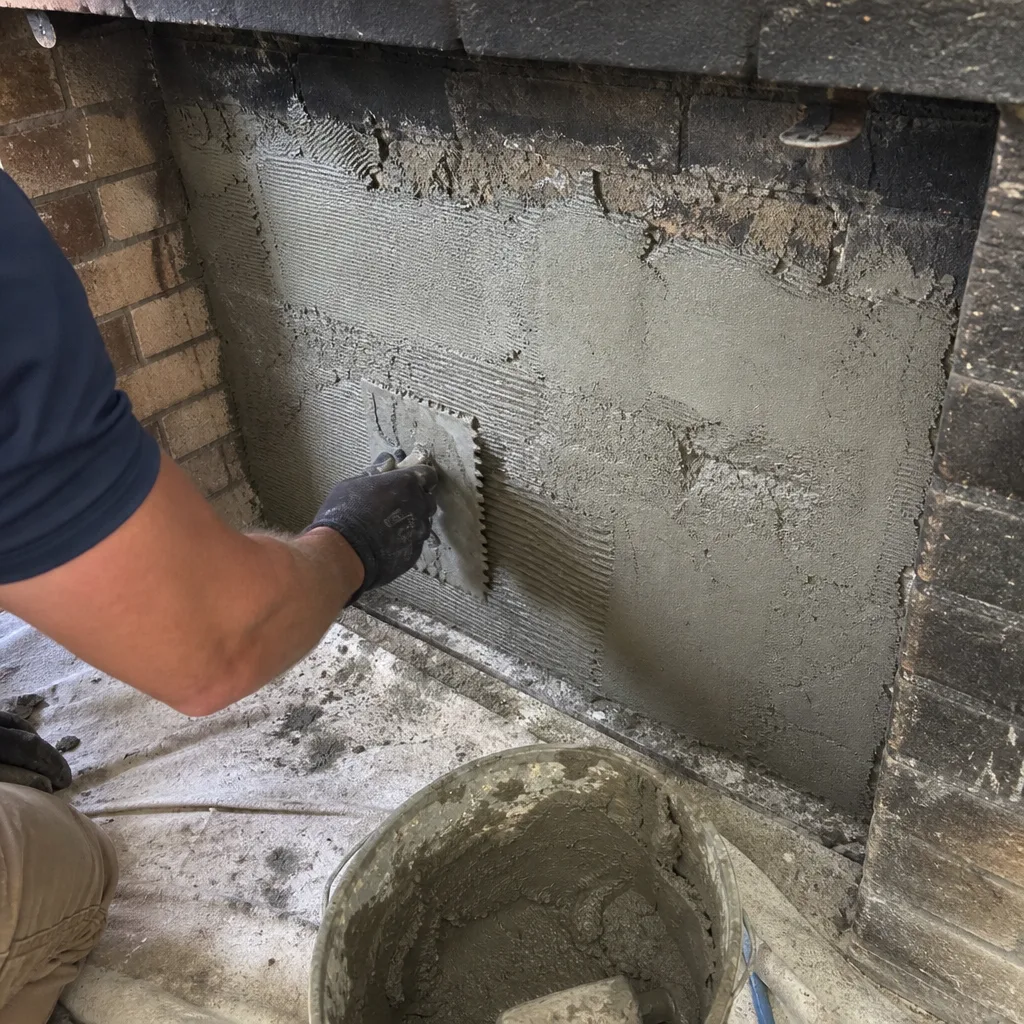
Last updated November 24, 2026
 Sweep & inspection
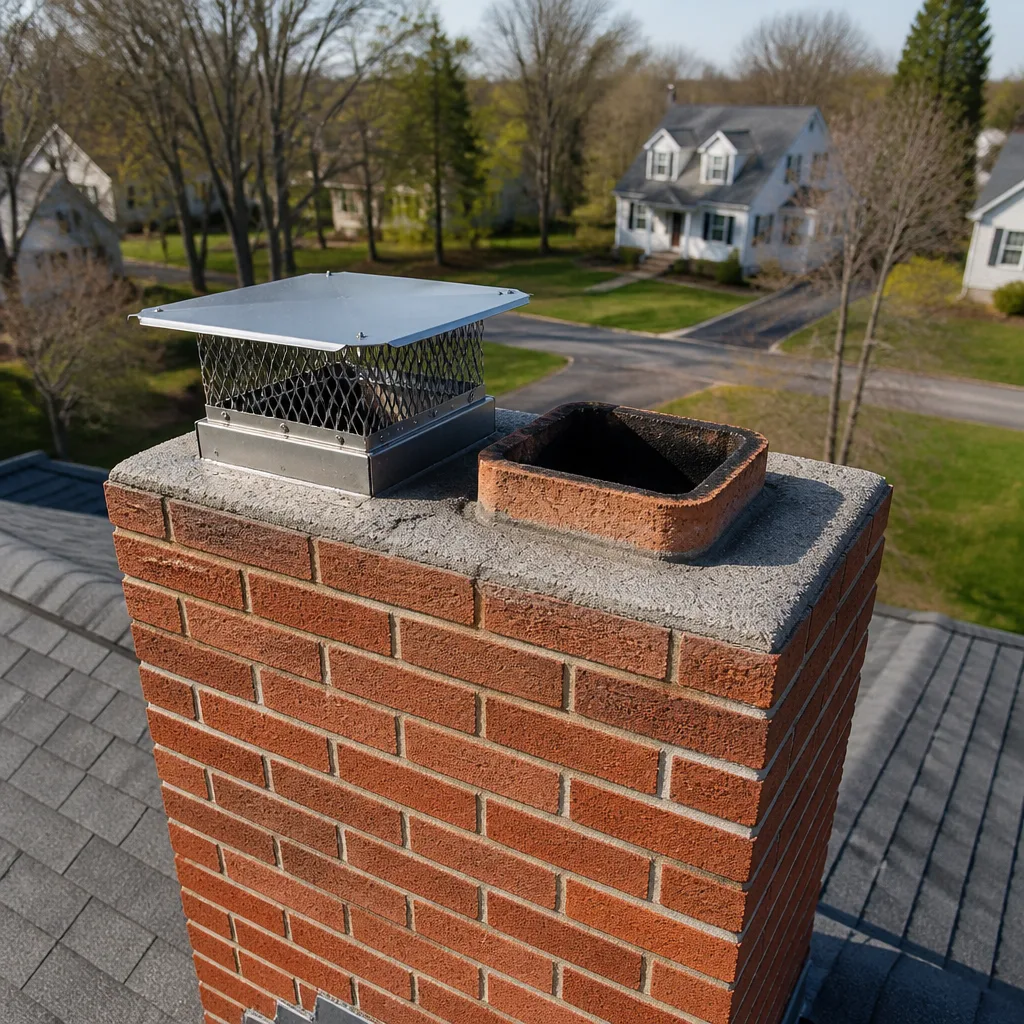
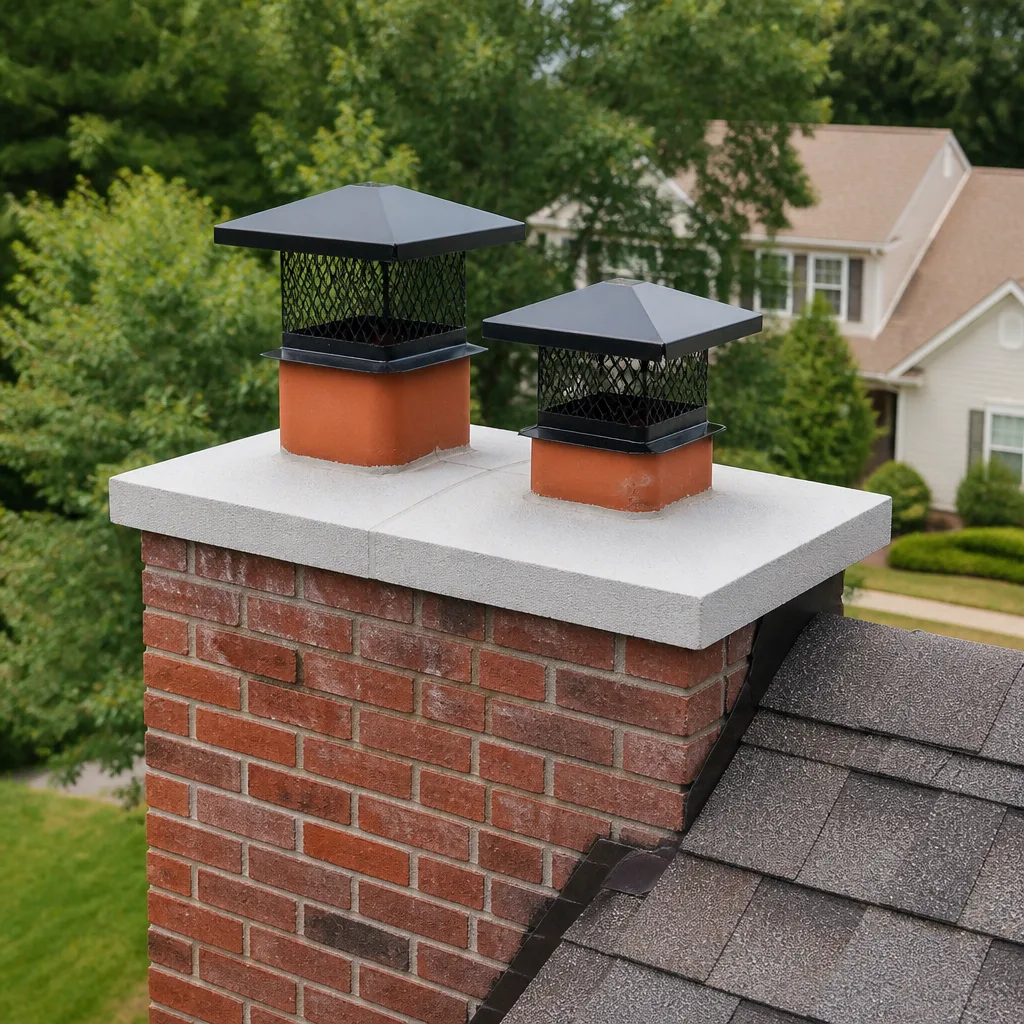 Caps & crowns
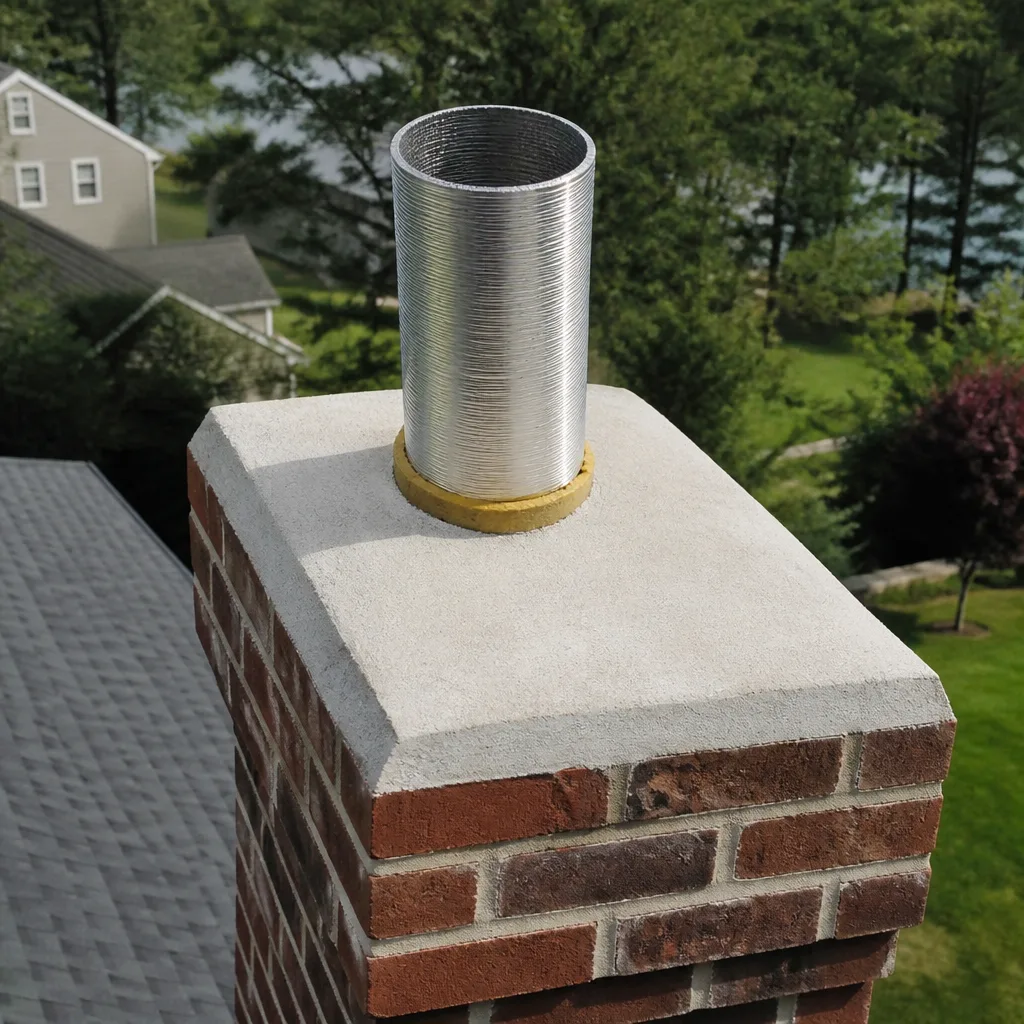 Flue relining
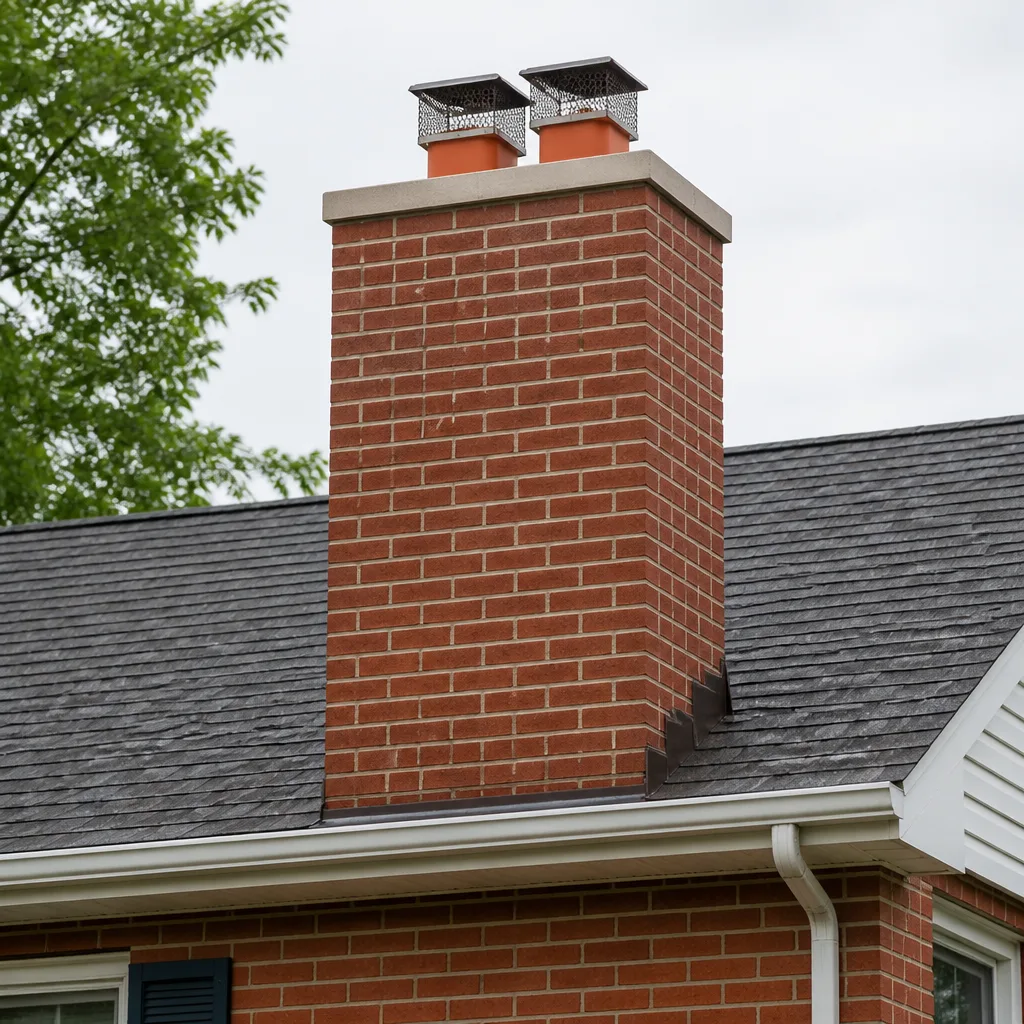 Masonry repair
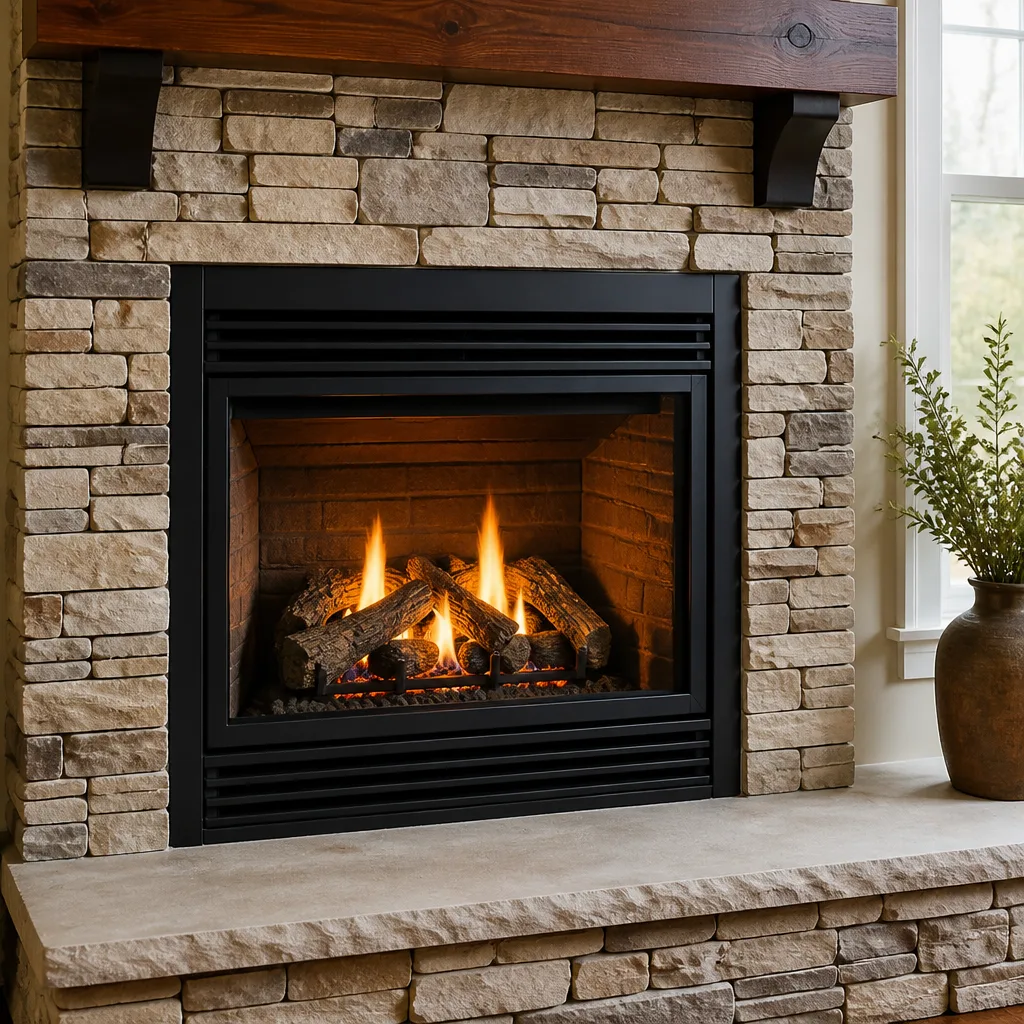 Gas fireplace service
Level 1 sweep and inspection to the NFPA 211 annual standard - flue, crown, cap, and flashing checked and photographed
Chimney sweep logs do not sweep chimneys. They loosen some creosote - which then falls where a brush and vacuum still have to collect it.
Chimney Cleaning Permits, Codes & Inspections in Hayes Barton, NC: What You Need to Know
Most homeowners in Hayes Barton assume that hiring a chimney sweep never touches the building department. That’s true, right up until the work stops being cleaning and becomes construction. The moment the job crosses into relining, rebuilding, or appliance installation, North Carolina’s residential code triggers permit and inspection requirements that catch people off guard, and unpermitted work can complicate an insurance claim later. This guide explains the exact permit threshold in Wake County, how NFPA 211 and the NC Residential Code interact, what a code-compliant inspection report must document, and how to check permit history on a Hayes Barton property before you buy or before you schedule major work.
Quick Answer
Routine chimney cleaning in Hayes Barton does not require a permit, but relining, masonry rebuilding, and new appliance installations usually require a mechanical permit from Wake County, followed by an inspection. NFPA 211 sets the consensus standard for chimneys, and the NC Residential Code adopts those standards and adds local requirements; where they conflict on a safety minimum, the stricter provision governs. A chimney inspection report should document the flue condition, clearances, appliance connections, and any deficiencies in writing, with photos, if you want it to be useful to an insurance underwriter.
Styles & brands we work with
- Sweep & inspection
- Caps & crowns
- Flue relining
- Masonry repair
- Gas fireplace service
Table of Contents
- Which Chimney Work Needs a Wake County Permit?
- How NFPA 211 and the NC Residential Code Interact
- What a Code-Compliant Inspection Report Must Document
- The Previous Owner’s Unpermitted Chimney Work
- How to Check Permit History on a Hayes Barton Property
- The Three Levels of Chimney Inspection
- Restore Before You Replace: HeatShield Resurfacing and When a Reline Is Required
- When to Schedule Chimney Work in Hayes Barton
Which Chimney Work Needs a Wake County Permit?
The line between maintenance and construction is sharper than most homeowners expect. Cleaning a flue with brushes is maintenance. Cutting a new opening in the chimney, installing a new liner, rebuilding a section of masonry above the roofline, or connecting a new gas or wood appliance all fall on the construction side, and most cities require a permit for this kind of work. Wake County follows that pattern for residential mechanical and building permits. When you’re planning work on a chimney in Hayes Barton, it’s worth knowing exactly where your job sits.
Here’s how the work types typically break down:
- No permit usually required: a routine chimney sweep, a Level 1 visual inspection, a chimney cap replacement, minor crown patching, and a fireplace damper adjustment.
- Permit generally required: installing a new chimney liner, converting an unlined flue to a listed lining system, replacing a firebox, or relining a flue with a cast-in-place method like HeatShield.
- Permit almost always required: structural repairs to the chimney chase, rebuilding a chimney above the roofline, adding a new chimney, or installing a wood stove or gas insert.
We’re careful about this: the permit decision belongs to your local building department, not to the chimney contractor and certainly not to a website. The right move is to confirm with Wake County’s permit office before any job that isn’t a sweep. A professional who works in Hayes Barton regularly knows the answer, and the honest response when we’re asked is to point you to the department rather than to guess.
How NFPA 211 and the NC Residential Code Interact
NFPA 211 is the National Fire Protection Association’s standard for chimneys, fireplaces, vents, and solid fuel-burning appliances. It is a consensus standard written by the industry, and it is not a law in itself. The NC Residential Code adopts NFPA 211 in place for construction, alteration, and repair of chimneys and vents, which is what gives it legal teeth. In practice, meeting NFPA 211 is how you comply with the NC Residential Code for chimney work.
When the two documents conflict, the stricter provision usually controls on safety minimums. That’s not a loophole for contractors; it’s a safety floor. If the code says one clearance and NFPA 211 says a larger clearance for the same configuration, a compliant job meets the larger number. If a product is listed to a standard that a local code does not recognize, the local code still applies. In our experience working on Hayes Barton homes, the practical effect is that a job has to satisfy both the manufacturer’s listing and the adopted code, and when they don’t line up, we call the building department before we cut anything.
Where homeowners get confused is with older chimneys. A 1920s masonry chimney in Hayes Barton was built under a very different code than today’s. Existing chimneys are generally allowed to remain as they are until they’re altered or replaced. The moment a significant alteration happens, the altered portion must meet current requirements. That’s why a small repair can trigger a bigger conversation than the homeowner expected.
What a Code-Compliant Inspection Report Must Document
A chimney inspection report is only as useful as what it records. NFPA 211 outlines what an inspection should address, and insurance underwriters and mortgage lenders tend to look for the same elements. A report that says “chimney in good condition” on a single page won’t help anyone. Here’s what an inspection report should include:
- Date, address, and weather conditions at the time of inspection. This seems minor, but it establishes the record.
- The type of inspection performed (Level 1, 2, or 3), the method used, and any tools such as a video camera for the flue.
- Flue condition, including cracks, gaps, spalling, and any evidence of previous liner installation.
- Clearances to combustibles at each accessible point, with measurements noted.
- Appliance connections, including the firebox, damper, smoke chamber, and any insert or stove connection.
- Chimney exterior: crown condition, cap, flashing, masonry joints, and any signs of water intrusion.
- Photographs of each deficiency, labeled and dated.
- Deficiency list with severity ratings, and a clear statement of what needs to be repaired, what can wait, and what was not accessible during the inspection.
An insurance underwriter reading that report can make a decision. A homeowner reading it can decide what to fix first. That’s the standard we hold ourselves to when we hand over a report to a customer in Hayes Barton. Anything less is a sales pitch with a photo attached.
The Previous Owner’s Unpermitted Chimney Work
Older neighborhoods like Hayes Barton have plenty of chimneys that have been through several rounds of work across many owners. Some of that work went through Wake County permits. Some didn’t. The problem is that permit history follows the property, not the owner. If a previous owner installed a liner without a permit and something goes wrong, the current owner is the one answering questions from the insurance adjuster.
That’s not a scare tactic; it’s how property records work. An adjuster investigating a chimney-related claim will pull the permit history on the property. If a major repair appears without a corresponding permit, the adjuster may treat the work as undocumented, which can affect coverage decisions. Beyond insurance, an unpermitted liner installation may not meet current venting requirements, which creates a real safety issue regardless of what any paperwork says.
When we look at a Hayes Barton chimney, the presence or absence of permit records doesn’t tell us whether the work was done correctly. That’s why the inspection comes first. A camera inspection shows what’s actually inside the flue, and a visual inspection of the exterior shows what was installed where. If the work was done well and simply wasn’t permitted, a homeowner may be able to document it now, or may need to prepare for a correction. That’s a conversation to have before a claim is on the table, not after.
How to Check Permit History on a Hayes Barton Property
Before you buy a Hayes Barton home with a fireplace, or before you sign off on a major chimney repair, pull the permit history. The steps below are the general route most Wake County property owners take. The exact names and portals vary by department, so start with the city or county permit office and ask.
- Find the property’s parcel number. The Wake County tax records list it by address.
- Search the county or city permit portal by parcel number or address. Ask specifically for mechanical, building, and fireplace-related permits.
- Request the permit history in writing if the portal is incomplete. Older records may not be digitized, and a records request is the reliable way to fill the gap.
- Compare the permit list to what you see on the chimney. A liner, a new cap and crown, a fireplace insert, or a rebuilt chase should be traceable to a permit.
- Ask the seller for documentation of any chimney work disclosed in the sale, including the invoice and the inspection report.
- Have a chimney specialist confirm the installation if records are missing. An inspection report is often the practical document an underwriter will accept in the absence of a permit record.
This is the single most useful homework a Hayes Barton homeowner can do before scheduling a reline or a rebuild. It’s also useful before buying: knowing whether a chimney has permits on file tells you what you’re actually inheriting.
The Three Levels of Chimney Inspection
NFPA 211 defines three levels of chimney inspection, and the level you need depends on what’s happening. Knowing which one your situation calls for is half the battle. A company that starts every conversation at Level 3 is not starting from the same place we are.
- Level 1: a visual inspection of readily accessible portions of the chimney, the appliance, and the connections. This is the standard annual inspection that accompanies a sweep. It’s appropriate when the appliance hasn’t changed and there’s no indication of a problem.
- Level 2: everything in Level 1 plus accessible portions of the attic, crawlspace, and the chimney exterior, and typically a video scan of the flue. Level 2 is appropriate after a chimney fire, after a change of appliance, when a property changes hands, or when a significant event has occurred. It is the inspection most often requested by real estate transactions.
- Level 3: everything in Level 2 plus investigation of concealed areas, which may mean opening walls or removing parts of the chimney. Level 3 is for a known or suspected serious hazard where the answer is not visible without destructive access.
In Hayes Barton, Level 2 is the workhorse inspection. It’s the one we recommend for a sale, for a recently purchased home with an unknown chimney history, and for any homeowner who has not had a sweep in a long while. The camera tells you what’s really inside the flue, and no repair recommendation should be made without that evidence. That’s the grounding principle we work from: inspect first, recommend second.
Restore Before You Replace: HeatShield Resurfacing and When a Reline Is Required
One of the most common questions we get from Hayes Barton homeowners is whether a damaged flue means a full reline. Sometimes it does. Sometimes it doesn’t. Clay tile flues that have developed gaps or cracks in the joints can often be resurfaced with a cast-in-place product like HeatShield, which restores the flue rather than replacing it. That’s a solution many generalist services cannot offer because it requires both the product and the technique.
When a reline is the right answer, a flexible liner system like DuraFlex is often the best fit for the older chimneys in Hayes Barton, where rigid liners can be impractical to fit. Stainless caps and crowns from Famco and Copperfield are common choices for the exterior components. Using professional-grade products matters here, because the performance of a liner or cap over decades depends on materials that meet their listings.
Whether resurfacing or relining, the work stays within the bounds of the code. A reline or a new liner installation generally requires a permit, and a report documenting the condition of the flue should come before the decision. That’s the sequence: inspect, document, recommend, then permit and install.
When to Schedule Chimney Work in Hayes Barton
Chimney work has a rhythm in Hayes Barton that follows the cooling season. The busiest weeks are the ones just before the first cold snap, when homeowners remember the fireplace exists and want it ready. Booking a sweep and inspection before that rush is the practical way to get a same-day or next-day slot rather than waiting through a backlog.
For repairs and structural work, the timing is driven by what the inspection shows. Water intrusion, crown damage, and cap failures are the most common issues we see, and the earlier they’re caught the less involved the repair tends to be. Structural repairs to a Hayes Barton chimney benefit from being scheduled while the weather is predictable, before the first freeze, so masonry and sealant work can cure properly.
For homeowners whose fireplace is a central part of the winter routine, the annual sweep and inspection is the anchor. That routine Chimney Sweep Hayes Barton work is the foundation everything else builds on.
Common Mistakes to Avoid
- Assuming a sweep passes for a permit. A cleaning is maintenance and generally needs no permit; a liner installation almost always does. Mixing the two up can leave a homeowner with unpermitted work on their property record.
- Trusting a report that doesn’t include photos. A written deficiency list without dated photographs is not evidence. Ask for the images.
- Skipping the permit history before a purchase. In a Hayes Barton home, the chimney may have been worked on more than once. Checking records before closing is far easier than correcting them afterward.
- Accepting a full reline recommendation without a camera scan. Ask to see the scan. If the flue can be restored with a cast-in-place method, that decision should be based on what the camera shows.
- Letting a small crown crack become a structural problem. The chimney cap and crown are the front-line defense against water intrusion. Small cracks widen through freeze-thaw cycles.
- Using a generalist contractor for chimney work. The code requirements, the standards, and the materials are specific to this trade. A specialist is the safer starting point for anything past a sweep.
- Ignoring the exterior of the chimney. A flue can look clean and the masonry joints behind it can be failing. The exterior inspection is half the report.
See the difference
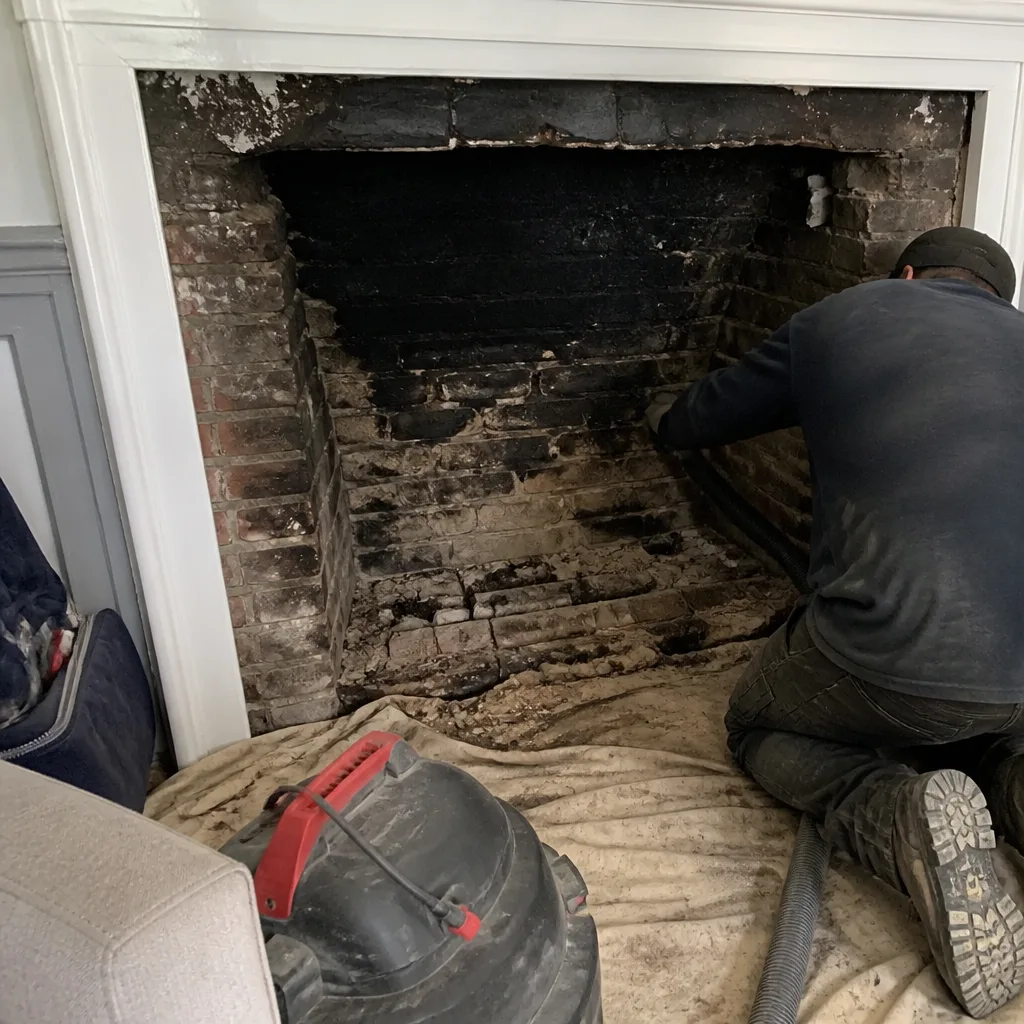 Before
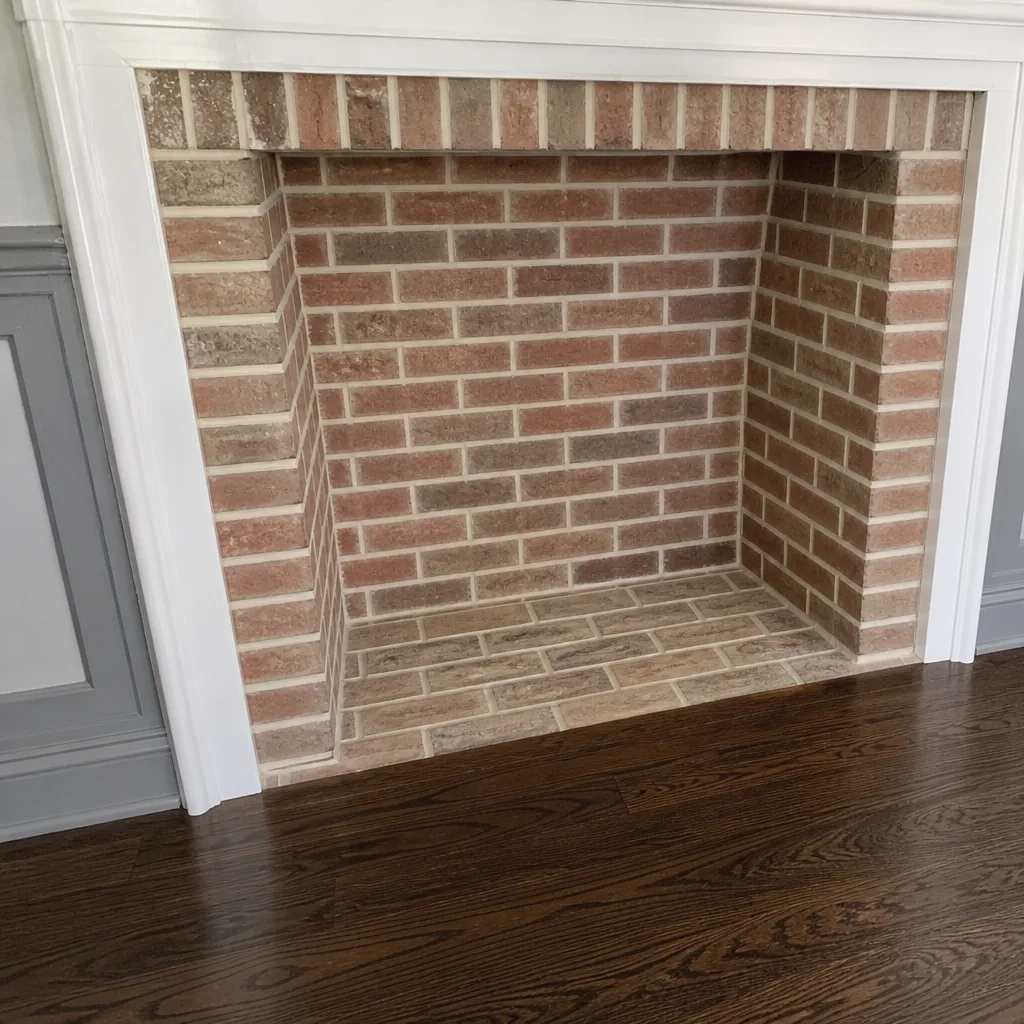 After
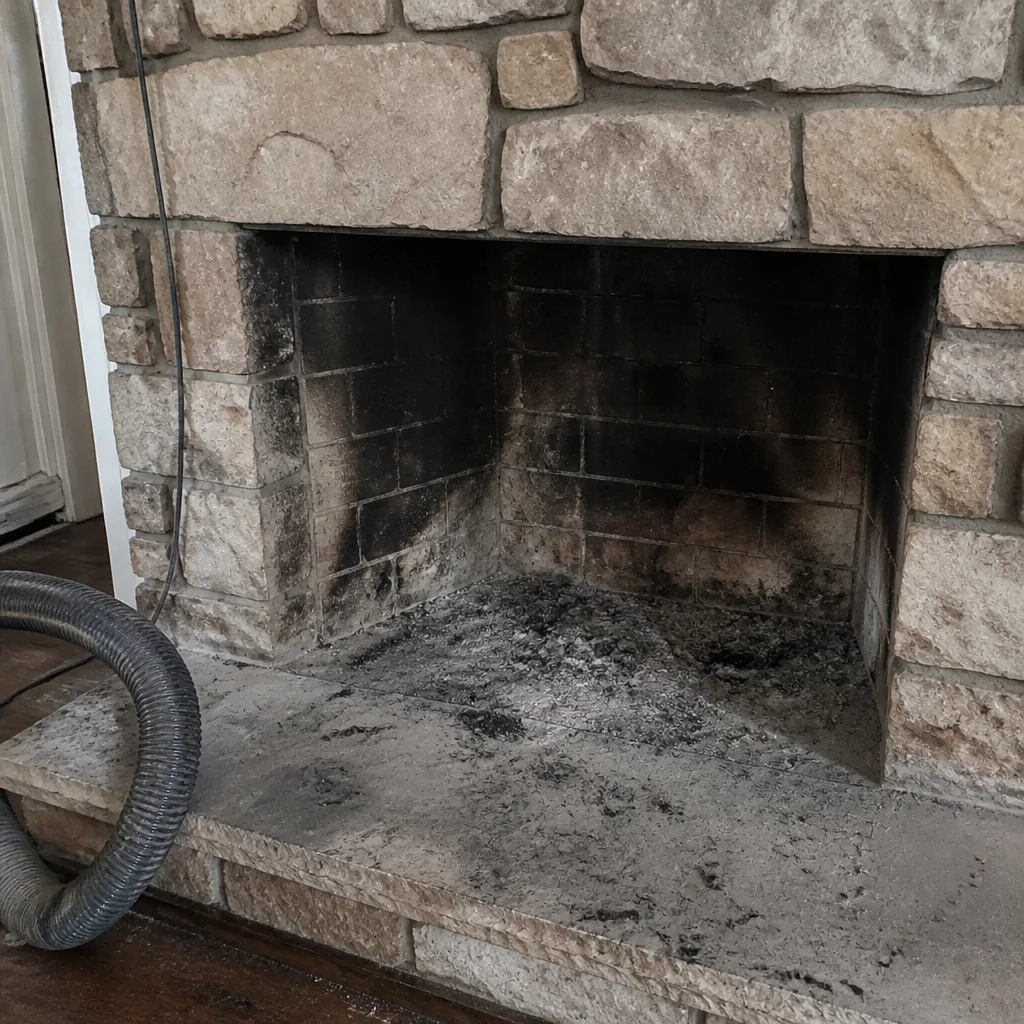 Before
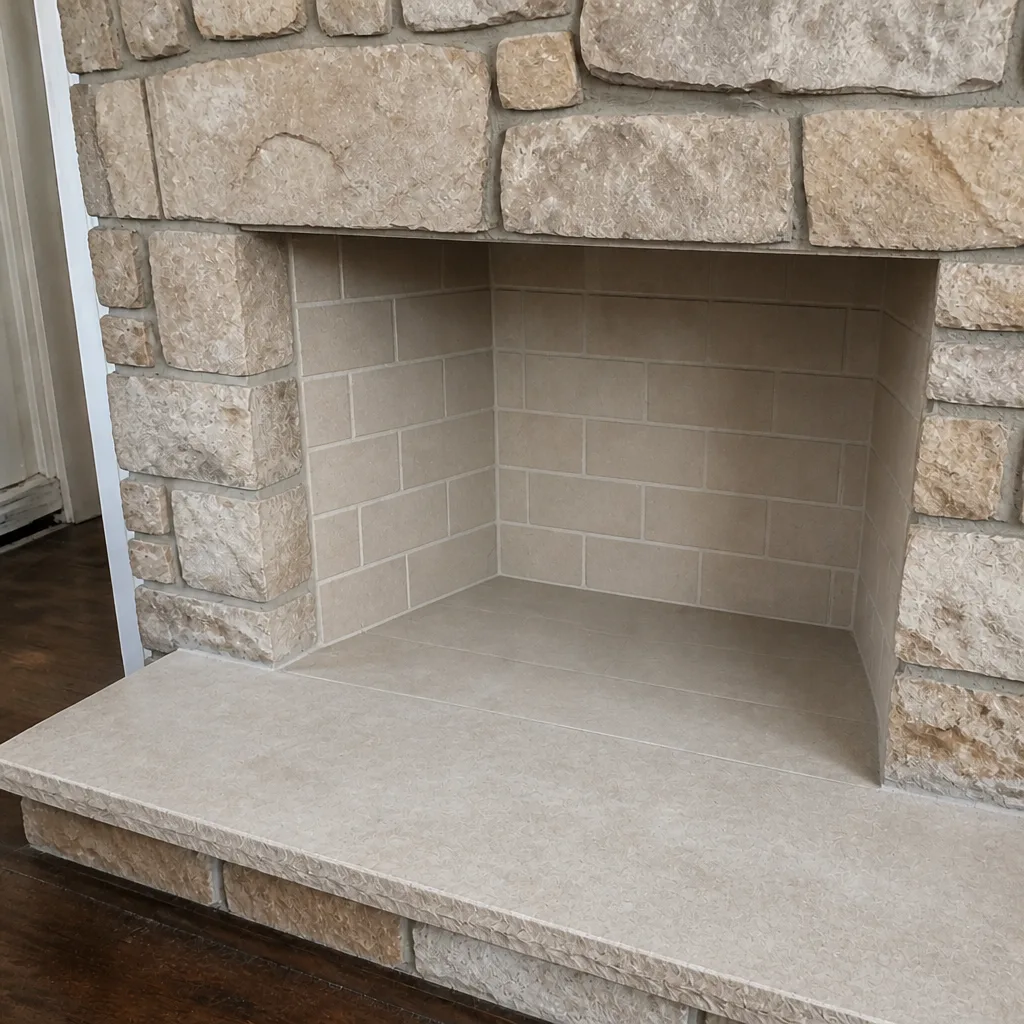 After
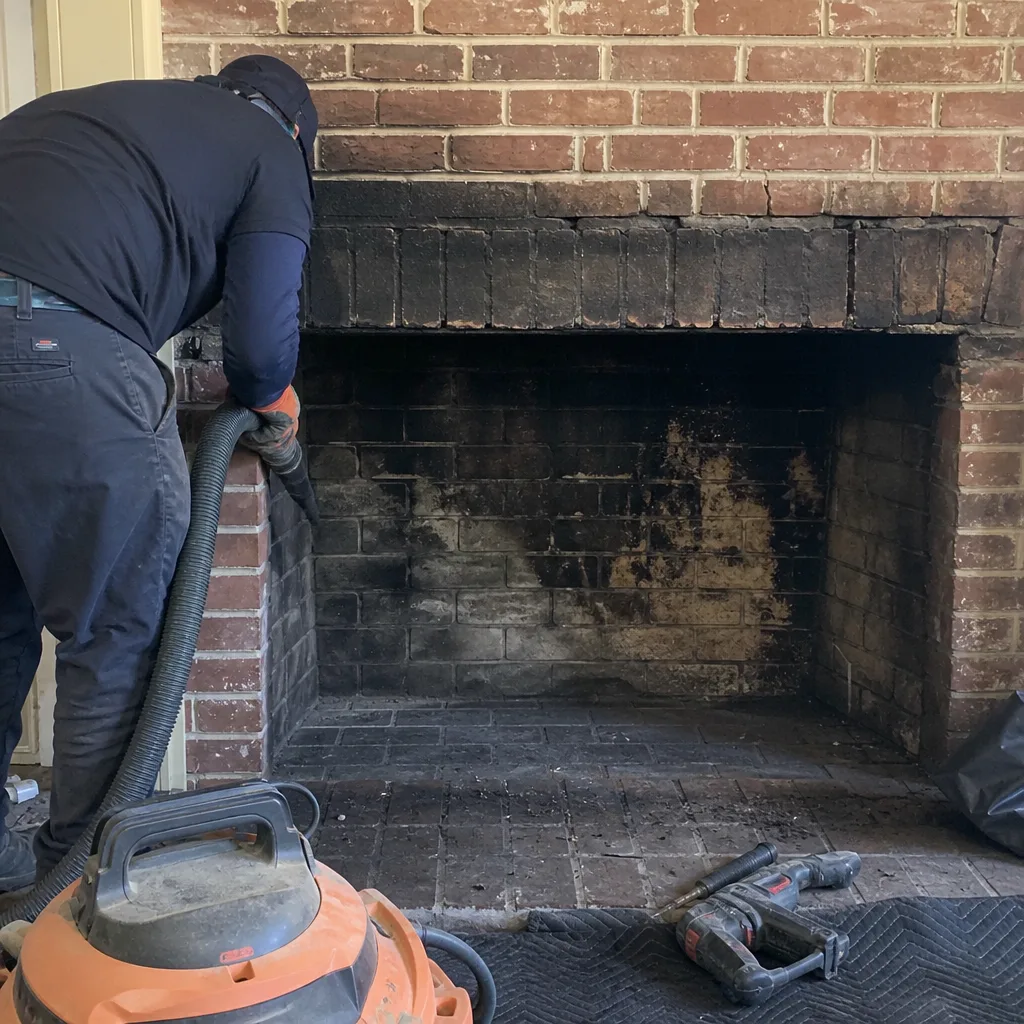 Before
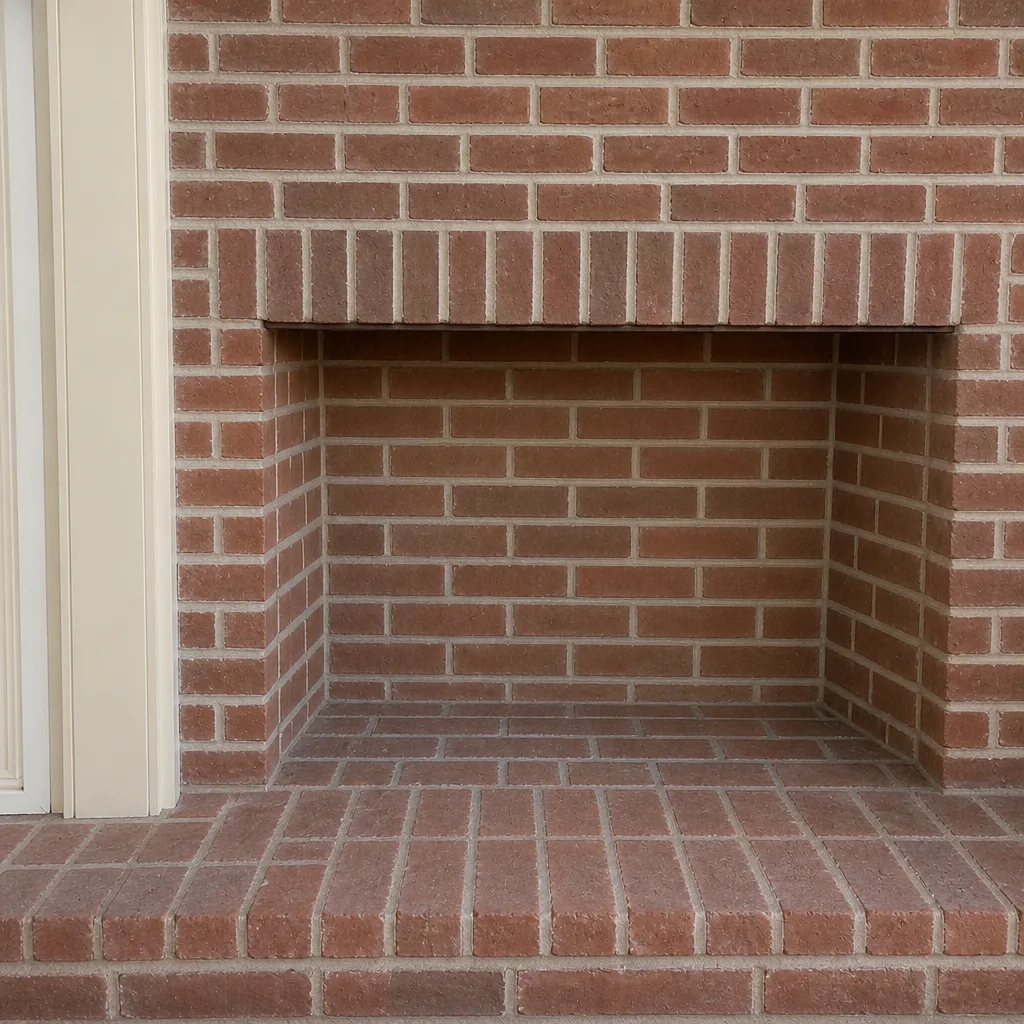 After
When to Call a Professional
You should call a professional when the chimney has not been swept in a year or more, when you’re buying or selling a Hayes Barton home, when you’ve changed the appliance, after any chimney fire (even a small one), when you see water stains on the chimney breast or masonry damage on the exterior, when a fireplace insert has been added, and before any major repair so the recommendation rests on an inspection report. This is also the right point for chimney sweep service if you simply cannot remember the last cleaning.
Chimney Sweep Hayes Barton offers free estimates in Hayes Barton. Call (855) 658-4229. We answer 24/7. Fast dispatch from 7am to 7pm, Sunday through Friday.
If the problem is with the firebox, damper, or the interior of the firebox itself, the right starting point is fireplace repair. If the issue is at the top of the chimney, chimney cap & crown work addresses the most common source of water intrusion we see in Hayes Barton.
Frequently Asked Questions
No. Routine chimney cleaning is maintenance and does not require a permit in Hayes Barton or anywhere else in Wake County. A permit becomes relevant when the work crosses into relining, rebuilding, appliance installation, or structural repair. If you’re unsure which category your job falls into, ask the permit office before booking, or ask us during the estimate.
NFPA 211 is a consensus standard written by the National Fire Protection Association; the NC Residential Code adopts it for chimney construction and repair. Where they differ on a safety minimum, the stricter requirement usually governs. In a practical sense, a compliant chimney job meets both the adopted code and the product’s listing requirements.
Yes, and this is the inspection most real estate transactions request. A Level 2 inspection includes the flue camera scan, the attic and crawlspace where accessible, and the chimney exterior. It produces the report an underwriter can read and gives you a realistic picture of the chimney you’re inheriting.
The permit history follows the property, so the current owner is the one who has to answer for it. An inspection report with photographs often serves as documentation in that situation. The correction, if any is needed, depends on what the inspection finds and what the local code requires for that specific installation.
Sometimes, yes. Clay tile flues with joint gaps or cracks can often be resurfaced with HeatShield, a cast-in-place method that restores the flue lining rather than replacing it. Whether that’s the right answer depends on what the camera shows, which is why inspection comes before any recommendation.
The price is set per job by the written estimate, and the estimate itself is free. Call (855) 658-4229 for an exact quote. We answer 24/7. Fast dispatch from 7am to 7pm, Sunday through Friday.
The Bottom Line
Chimney cleaning itself doesn’t require a permit in Hayes Barton, but the work that usually follows does. Relining, rebuilding, and appliance installation are construction, and most cities require a permit for that kind of work. NFPA 211 and the NC Residential Code form the safety baseline, and where they differ, the stricter rule applies. An inspection report is only useful if it’s documented in writing with photographs. Permit history follows the property, so check it before buying or before major work. And when a repair is recommended, the recommendation should be grounded in a camera scan you can see.
Written by the team at Chimney Sweep Hayes Barton.