
Last updated November 24, 2026
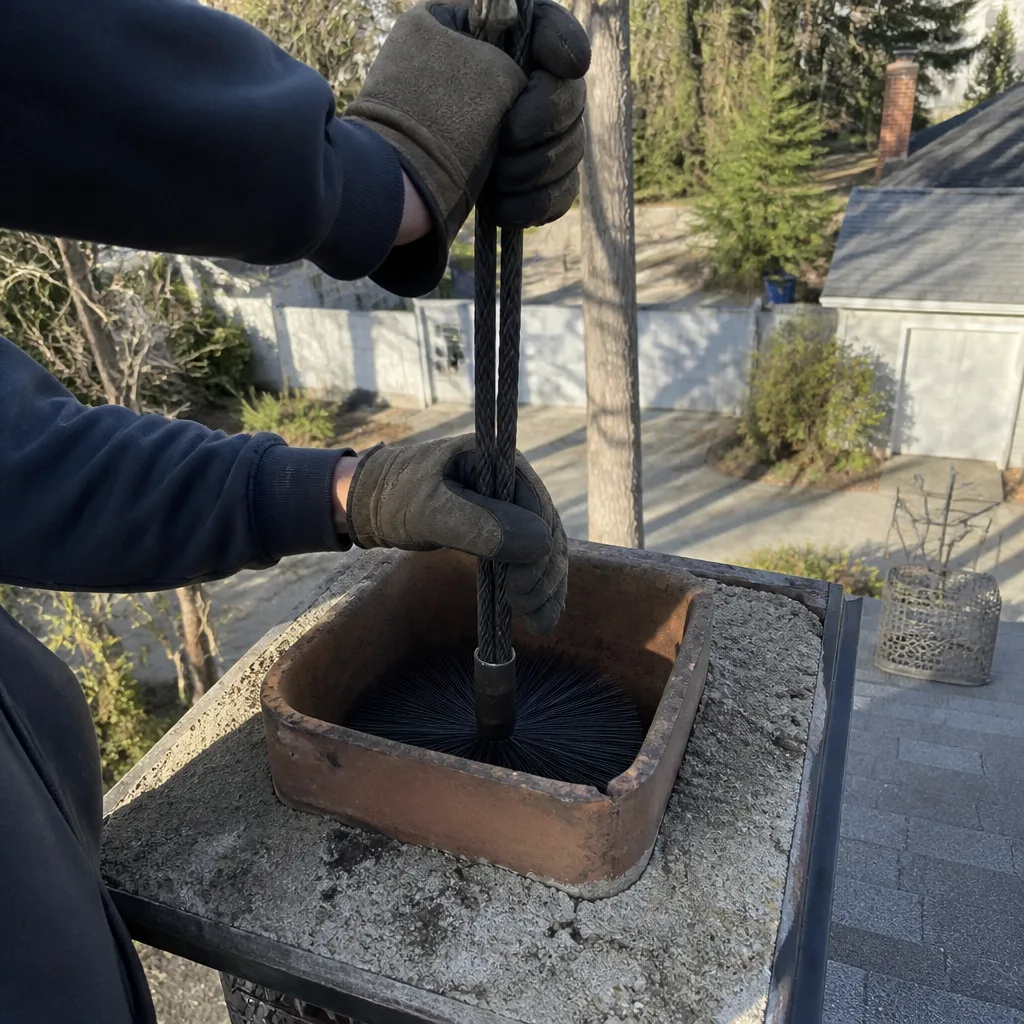
 Sweep & inspection
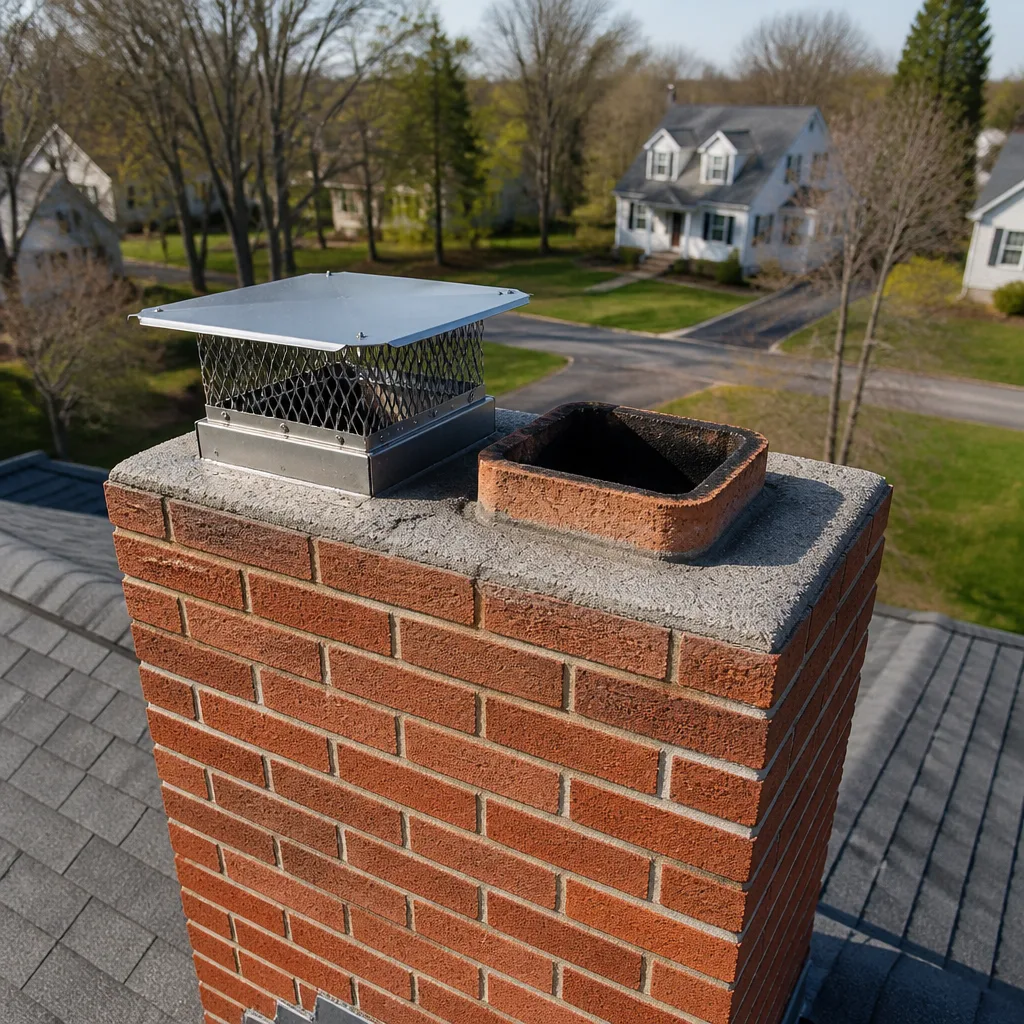
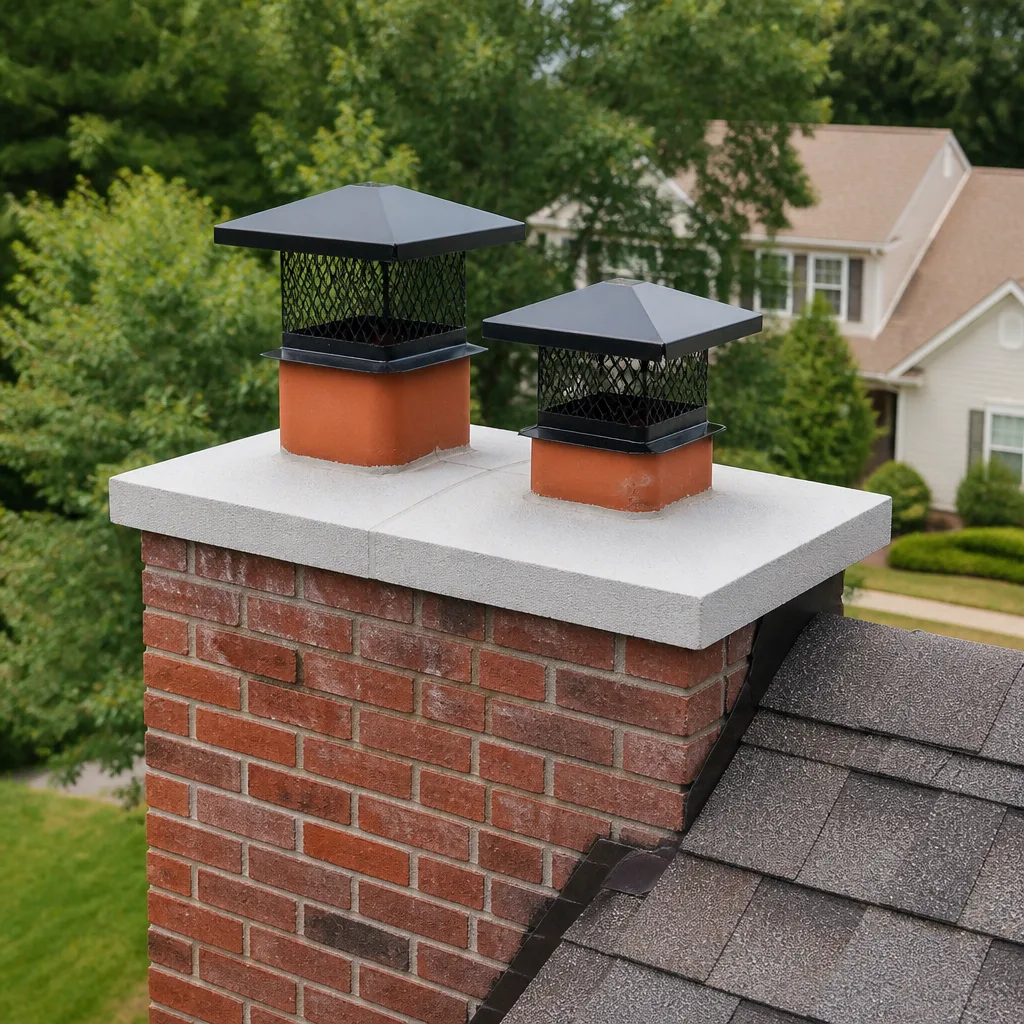 Caps & crowns
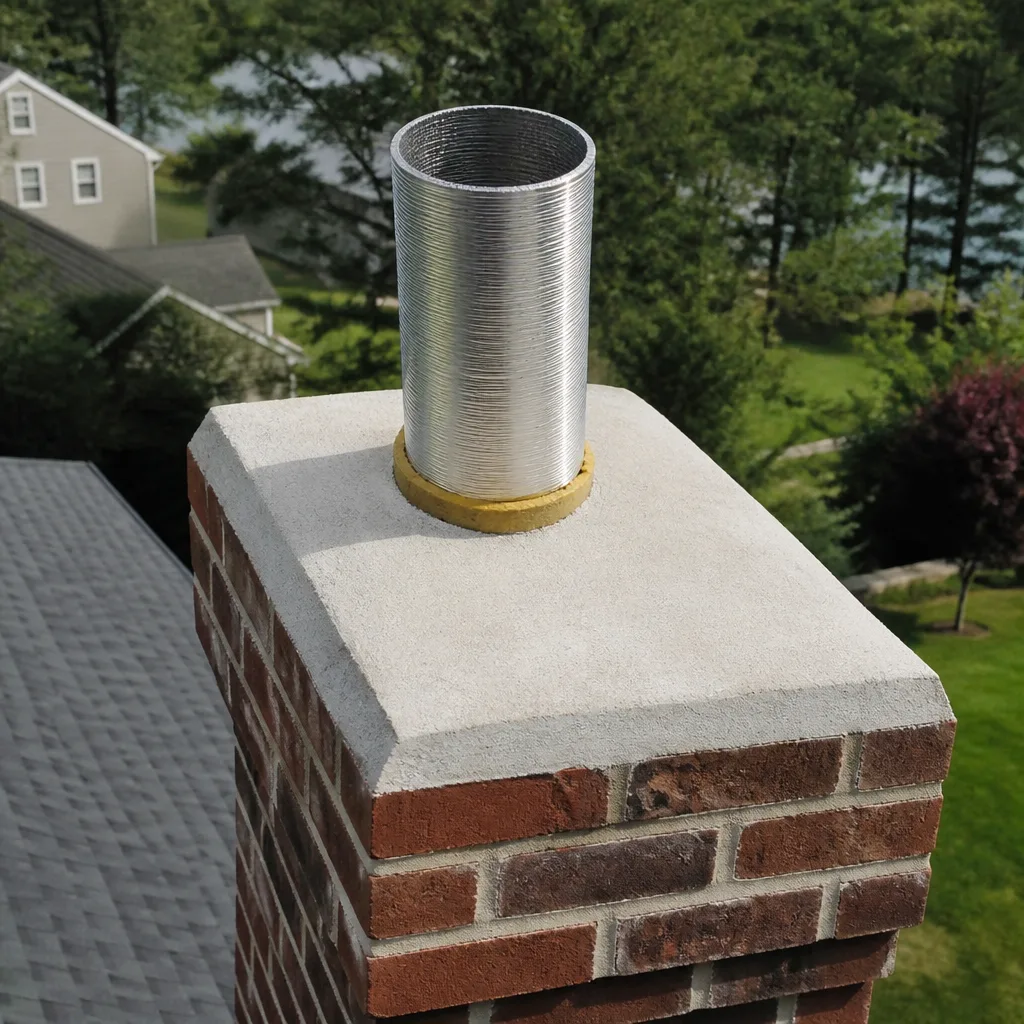 Flue relining
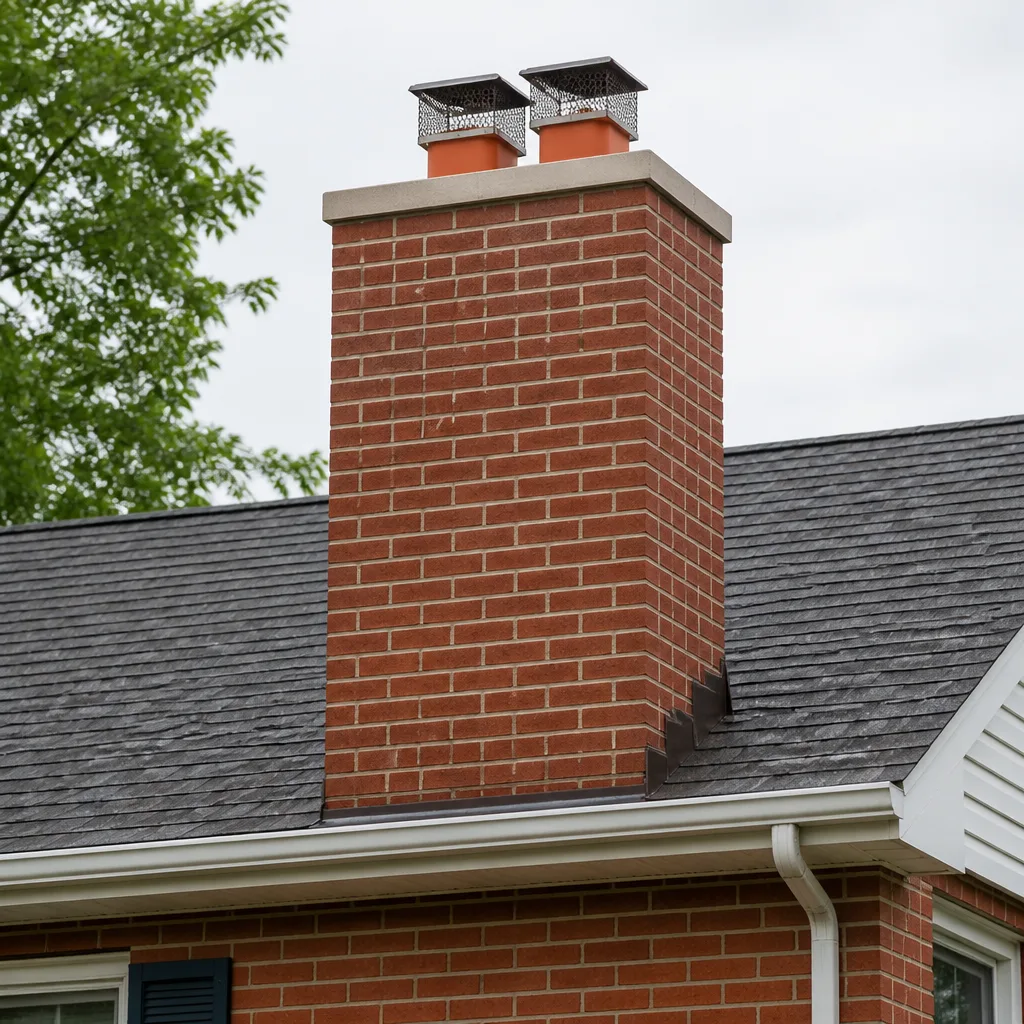 Masonry repair
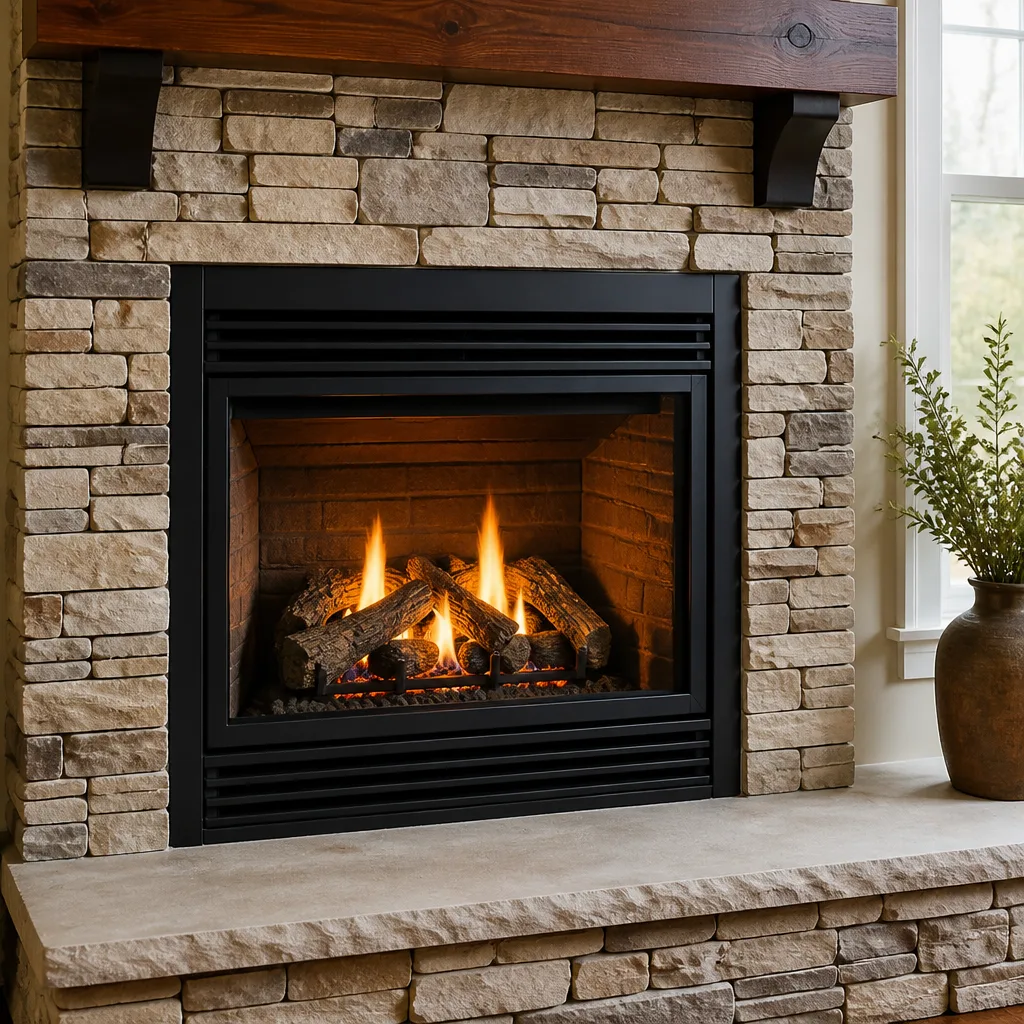 Gas fireplace service
Level 1 sweep and inspection to the NFPA 211 annual standard - flue, crown, cap, and flashing checked and photographed
Chimney sweep logs do not sweep chimneys. They loosen some creosote - which then falls where a brush and vacuum still have to collect it.
Chimney Cleaning Warning Signs: A Hayes Barton Homeowner’s Reference Guide
That white chalky stain on your exterior brick isn’t a paint problem. It’s efflorescence, a mineral bloom that only appears when water is moving through masonry and evaporating off the surface, and in Hayes Barton it usually points to a failed crown or chimney flashing that’s been leaking quietly for months. Most chimney problems announce themselves long before a fire does, but they speak in a language most homeowners haven’t learned to read: a faint odor, a hairline crack, a draft that behaves differently than it used to. This guide translates those signals. By the end you’ll know what each warning sign actually indicates about the structure behind it, which problems can safely wait and which mean stop using the fireplace, and how to describe what you’re seeing so a technician arrives with the right tools instead of guessing.
Quick Answer
A chimney needs professional attention when you notice persistent odors, white staining or rust on the exterior, crumbling mortar at the crown, smoke spilling into the room, or damage inside the firebox visible with a flashlight. These signs point to one of three underlying conditions: water intrusion, a blocked or damaged flue, or a draft problem caused by pressure or geometry. Odors and staining can usually be scheduled soon; smoke rollback, visible flue damage, or a strong gas smell mean stop using the fireplace until it’s inspected.
Styles & brands we work with
- Sweep & inspection
- Caps & crowns
- Flue relining
- Masonry repair
- Gas fireplace service
Table of Contents
- What the White Stains on Your Chimney Brick Actually Mean
- What Chimney Odors Tell You About the Condition Inside
- Why Your House Gets Smoky During a Fire (and It Isn’t Always a Blockage)
- The Interior Warning Signs Homeowners Miss Because They Need a Flashlight
- Which Warning Signs Can Wait and Which Mean Stop Using the Fireplace
- Draft Problems: When the Chimney Isn’t Pulling Like It Used To
- How to Describe What You’re Seeing When You Call a Specialist
- How Often a Hayes Barton Chimney Actually Needs Sweeping
What the White Stains on Your Chimney Brick Actually Mean
Efflorescence is the chalky white residue left behind when water dissolves salts inside brick or mortar and then evaporates off the surface. It’s the single most misread warning sign on a chimney, because it looks like a surface problem when it’s really a plumbing problem wearing a masonry costume. Water is getting in somewhere, dissolving minerals as it travels, and leaving them on the face of the brick as it dries. The stain is the receipt, not the leak.
On a chimney in Hayes Barton, efflorescence in the upper third of the stack usually points to the crown, the concrete cap at the very top that sheds water away from the flue. When a crown cracks or pulls away from the flue tile, water runs straight down into the masonry instead of off it. Lower down, staining near the roofline often implicates the flashing, the metal work where the chimney meets the roof surface. Flashing that’s lifted, rusted, or was never installed with a proper cricket behind it lets water sit against the chimney for hours after every rain.
Two other water signs deserve equal attention:
- Rust streaks on the firebox or damper. Water is reaching the metal components, which means it’s already inside the flue.
- Spalling brick, where the face flakes or pops off. This is a later stage than efflorescence and means the masonry has been wet through multiple freeze-thaw cycles.
Here’s the important distinction. A fresh, thin bloom of efflorescence that brushes off and returns slowly is early-stage water intrusion you can schedule a repair for. A thick, crusty deposit paired with spalling or rust means the chimney has been taking on water for a while, and the interior of the flue may be affected too. Either way, the fix isn’t a masonry sealer painted over the stain. It’s correcting the crown, the flashing, or both, which is exactly the kind of work our chimney cap & crown service exists to handle.
One more thing to check while you’re outside: a missing or damaged chimney cap. An open flue top is an invitation for rain, animals, and debris, and in our experience it’s one of the most common sources of the moisture problems Hayes Barton homeowners call us about.
What Chimney Odors Tell You About the Condition Inside
Chimney odors are diagnostic, not just unpleasant, and the type of smell tells you which part of the system to examine. A strong campfire smell in summer, when the fireplace is unused, almost always means creosote and soot deposits have absorbed moisture from humid air and are releasing it back into the house. The chimney isn’t blocked; it’s just dirty and damp, and a sweep resolves it. A musty, earthy smell is different, and it usually points to water sitting somewhere in the masonry or the flue.
Hayes Barton’s climate is the amplifying factor here. Warm, humid summers and the occasional damp stretch push moisture into any soot left on the flue walls, and the fireplace that smelled fine in March can smell like a wet ashtray by August. A dirty flue absorbs that humidity like a sponge, and the smell is strongest on still, muggy days when there’s no draft to carry it up and out.
Match the smell to the likely cause:
- Strong, smoky, campfire odor in warm weather: creosote and soot buildup holding moisture. A sweep is the fix.
- Musty or moldy smell: active water intrusion, often from a failed crown, missing cap, or damaged flashing.
- Sharp, acrid, or chemical smell: could be a creosote problem at a more advanced stage, or a flue with damaged liner surfaces. Worth a close look rather than a sweep alone.
- Odor only when the furnace or water heater runs: this can indicate backdrafting from a shared flue, which is a carbon monoxide concern and should be inspected promptly.
If the smell is a musty one, don’t just light a scented candle and move on. Water tracking through the flue can degrade liner surfaces and, over time, undermine the mortar joints behind them. An inspection is how you find out which one you’re dealing with. For fireplace-side repairs that go beyond a sweep, our fireplace repair work starts with an inspection, not a sales pitch.
Why Your House Gets Smoky During a Fire (and It Isn’t Always a Blockage)
A smoky house during a fire is not always a flue blockage. In our experience there are four distinct causes, and only one of them is an obstruction. The other three are about pressure, geometry, and even the weather, which is why guessing at the cause before you’ve identified it leads homeowners to spend money on the wrong fix.
Here are the four causes and how to tell them apart before you call:
- A genuine blockage. Birds’ nests, leaves, and fallen mortar collect in the flue. Tell-tale sign: smoke rolls back immediately on lighting, every time, and the chimney never seems to draw at all. A flashlight look up the flue from a cold firebox may reveal debris.
- Negative pressure in the house. Modern homes are tight, and exhaust fans (kitchen, bath, dryer) can pull harder than the chimney. Tell-tale sign: smoke misbehaves when a fan or the furnace is running, and the problem comes and goes.
- A cold flue on a cold start. The flue is full of dense cold air that has to be pushed out before warm smoke can rise. Tell-tale sign: smoke lingers at first, then drafts fine once the fire is established. This one is common on a shoulder-season morning in Hayes Barton before the house has warmed.
- A chimney that’s too short, too tall, or poorly placed relative to the roofline. Geometry affects how the wind interacts with the flue. Tell-tale sign: the problem is worse on windy days or only when the wind comes from a particular direction.
Why does the distinction matter? Because a blockage calls for a sweep, negative pressure calls for ventilation or makeup air work, and a geometry problem calls for a different conversation entirely. Paying for a sweep when the real issue is pressure gets you a clean chimney that still smokes. If you can’t pin down which of the four you’re dealing with, describing the pattern to a technician is often enough to narrow it before anyone arrives.
The Interior Warning Signs Homeowners Miss Because They Need a Flashlight
The firebox is where the most consequential warning signs hide, and they hide for a simple reason: you can’t see them from the room. A flashlamp aimed at the right spots reveals what a whole winter of use has done. Take a light to the firebox when the fireplace is cold and empty, and look at these specific areas.
- Crumbling mortar joints between firebox bricks. Joints that recede or turn sandy mean the mortar is failing, and heat is reaching the brick through the gaps. This is a repair, not a cleaning.
- Cracks in the firebox brick itself. Hairline cracks can be cosmetic; wider cracks, or any crack running through a brick, usually mean the firebox needs relining or rebuilding.
- A cracked or warped damper. The damper plate should sit flush and open smoothly. A warped damper that won’t seal lets cold air and animals in when the fireplace is closed.
- A damaged smoke shelf and smoke chamber. The shelf below the flue should be intact. Cracks or broken masonry here let smoke spill back into the room rather than up the flue.
- White or grey deposits on the firebox walls. This is a form of efflorescence inside, and it points to moisture coming down the flue.
- Rust or pitting on the damper and metal parts. Water has been reaching the firebox for a while.
The firebox is where water intrusion and structural wear both show up first, and it’s why our inspection service is offered as a standalone diagnostic: before anyone recommends a liner, a rebuild, or a resurface, we want you looking at what we’re looking at. When a flue has early-stage damage, HeatShield’s resurfacing method can often restore the liner surface without a full reline, which is a restore-before-you-replace decision that’s only possible if the damage is caught early. That’s the whole reason we push for an inspection before the fireplace gets another season of use.
One safety note. Do not reach into the firebox, the flue, or the smoke chamber to inspect anything yourself. The flue is a confined space, and components you can’t see from below can be sharp, loose, or dangerously hot. A trained technician with the right camera equipment is the only one who should be looking up the flue.
Which Warning Signs Can Wait and Which Mean Stop Using the Fireplace
Not every warning sign is an emergency, and treating them all as one is how homeowners end up paying for repairs the chimney didn’t need. Equally, treating a real hazard as “it can wait” is how preventable chimney fires start. Here’s a tier structure we use as a general guide.
Schedule soon (safe to keep using with caution)
- Faint creosote smell in warm weather, with no draft problems.
- A thin bloom of efflorescence on exterior brick.
- A missing chimney cap.
- Minor mortar joint wear at the crown.
These point to a dirty flue or early water intrusion. Book a sweep or an inspection, but the fireplace isn’t dangerous while you wait.
Do not operate until inspected
- Thick, crusty efflorescence with spalling brick or rust inside the firebox.
- Smoke spilling into the room consistently, regardless of conditions.
- Visible firebox cracks or failing mortar.
- Any strong gas smell if you have a gas appliance connected to the chimney.
- A persistent musty odor combined with water staining.
These mean the chimney may not safely contain a fire or may already be compromised, and a sweep alone isn’t the fix. An inspection comes first, and the repair follows the inspection.
Stop and call immediately
- You smell gas. Leave the house and call your gas utility.
- You see a creosote fire inside the flue (a roar, glowing walls, or a sudden roar of air up the chimney). Get out and call the fire department.
- Carbon monoxide alarms triggered in the house with the fireplace or connected appliances running.
This tier is about hazards we haven’t established here, so treat any of these as urgent for the obvious reason. For everything in the middle tier, a chimney inspection is the diagnostic step, and it’s the honest starting point before any repair recommendation is made.
Draft Problems: When the Chimney Isn’t Pulling Like It Used To
Draft problems are the quietest warning signs because nothing looks wrong. The fire lights, it burns, but it’s sluggish, the smoke hangs, and the glass on a fireplace insert coats with soot faster than it used to. A chimney that once pulled well and now doesn’t is telling you something changed, and the change is usually traceable to one of a few things.
Start with what’s visible. A chimney cap that’s too restrictive or clogged with debris will strangle draft, and a cap that’s too small or the wrong style for the flue can cause the same problem. Nesting birds will do it too. Look for a screen that’s been pushed in or blocked. Indoors, look at what’s sharing the chimney. A flue that once served only the fireplace but now also serves a furnace or water heater is doing more work than it was sized for, and that imbalance shows up as a draft that seems weaker than it used to be.
Then think about the house. Air-sealing and insulation work done over the years makes homes tighter, and a tight home fights the chimney for air. A flue that drafts fine in a leaky house can starve in a sealed one. Other conditions affect draft as well: a chimney that’s too close to a taller structure nearby, or a nearby tree that’s grown into the wind path.
What you can do before calling:
- Check that the damper and any glass doors are fully open before a cold start.
- Note when it misbehaves: always, only with fans on, only on windy days, only on cold starts.
- Look at the cap (from the ground, with binoculars) for a screen that’s blocked or crushed.
- Notice whether other appliances smoke or misbehave at the same time. If they do, the chimney is backdrafting, and that’s a carbon monoxide concern, not just a fireplace nuisance.
A chimney that pulls poorly doesn’t necessarily need a new liner. It may need a cap change, a flue that’s serving too many appliances addressed, or help with makeup air. The pattern matters, and it’s the single most useful thing to bring to the conversation when you call.
How to Describe What You’re Seeing When You Call a Specialist
The way you describe a problem determines whether a technician arrives with the right equipment and can solve it in one visit. Vague descriptions (“the chimney is acting up”) force a second trip; specific descriptions let us bring the camera and tools that fit. Use this structure and you’ll save time and quite possibly a return visit.
- Say where the sign is. Exterior brick, firebox, flue interior, damper, or the room itself. Narrow it down.
- Describe the sign in plain language. “White powder on the brick above the roof.” “A crack in the firebox wall.” “A musty smell in July.” Don’t diagnose; just describe.
- Say when it shows up. All the time, only when it rains, only on windy days, only when the furnace runs, only in summer.
- Say what changed and when you first noticed. “It started after the heavy rain in the spring.” “It’s been getting worse over the last two winters.”
- Say what you’ve already done. A sweep last year? A cap replaced? A repair to the flashing? Past work is a clue.
- Say how the fireplace actually behaves. Does it light well, burn cleanly, and exhaust without spilling? A fire that “works fine” despite an exterior stain points the diagnosis toward water entry rather than a draft problem.
A photo of the exterior helps when the sign is outside, and a photo into the firebox with a flashlight helps when the sign is inside. The technician can then show you what the camera sees when they arrive. That’s the standard we hold to. Our technicians have up to 12 years of experience with exactly this kind of diagnostic conversation, and it makes a difference.
How Often a Hayes Barton Chimney Actually Needs Sweeping
A chimney used regularly should be swept once a year, and inspected at the same time. The sweep is about removing creosote and soot; the inspection is about finding everything else. The two together are the baseline. For a fireplace used a few times a week through the cool months, an annual sweep is the right cadence, and it’s the cadence most chimney specialists recommend. If the fireplace sees heavy, frequent use, talk to a technician about whether an additional sweep mid-season makes sense.
What changes the recommendation in Hayes Barton is the seasonal humidity. Creosote left on the flue walls is hygroscopic, meaning it attracts and holds moisture from the air. Here, that means a flue that got its last sweep at the end of the previous burn season can be damp and odorous by midsummer, and the deposits that attract the moisture are the same ones that fuel a chimney fire. The habit to build: sweep after the season, not before the next one, so the flue sits clean through the humid months.
Signs you’re past due for a sweep regardless of the calendar:
- Sooty deposits visible in the firebox or on the damper.
- A strong campfire odor in warm weather.
- Smoke that doesn’t pull cleanly, which can mean the flue is restricted.
- Black smoke at the fire top, or a fire that struggles to burn hot. These can indicate creosote buildup in the flue.
If your fireplace has gone more than a couple of seasons without attention, don’t wait for the next warning sign. A chimney sweep and inspection today is the cheapest way to find out what state the flue is in, and if nothing’s wrong you’ll know that too.
Common Mistakes to Avoid
- Painting over efflorescence with masonry sealer. The stain is a symptom, not the problem. Sealing the brick traps moisture inside and accelerates spalling, making the eventual repair larger and costlier.
- Assuming a smoky room means a blockage. As we covered, it’s often negative pressure or a cold flue. A sweep on a pressure problem cleans a chimney that still smokes.
- Skipping the inspection because you had a sweep. A sweep cleans the flue. It doesn’t check the crown, the flashing, or the firebox condition. The inspection is the part that catches structural problems early.
- Lighting a fire to “see if it still works” after noticing firebox cracks. Visible firebox damage means do not operate until inspected. A small test fire can drive heat straight into compromised masonry.
- Buying a decorative cap for the look without matching it to the flue. The wrong cap restricts draft, and a chimney that drafts poorly can starve connected appliances of air. Match the cap to the flue size and to the house.
- Treating a musty smell as a cleaning problem. The musty smell usually means water intrusion, and a sweep won’t dry out a wet chimney. Find and fix the leak path, or it comes back.
- Reaching into the firebox or flue to check a problem. Confined-space and sharp-component hazards make this a job for a technician with camera equipment. Describe it and let a professional look.
See the difference
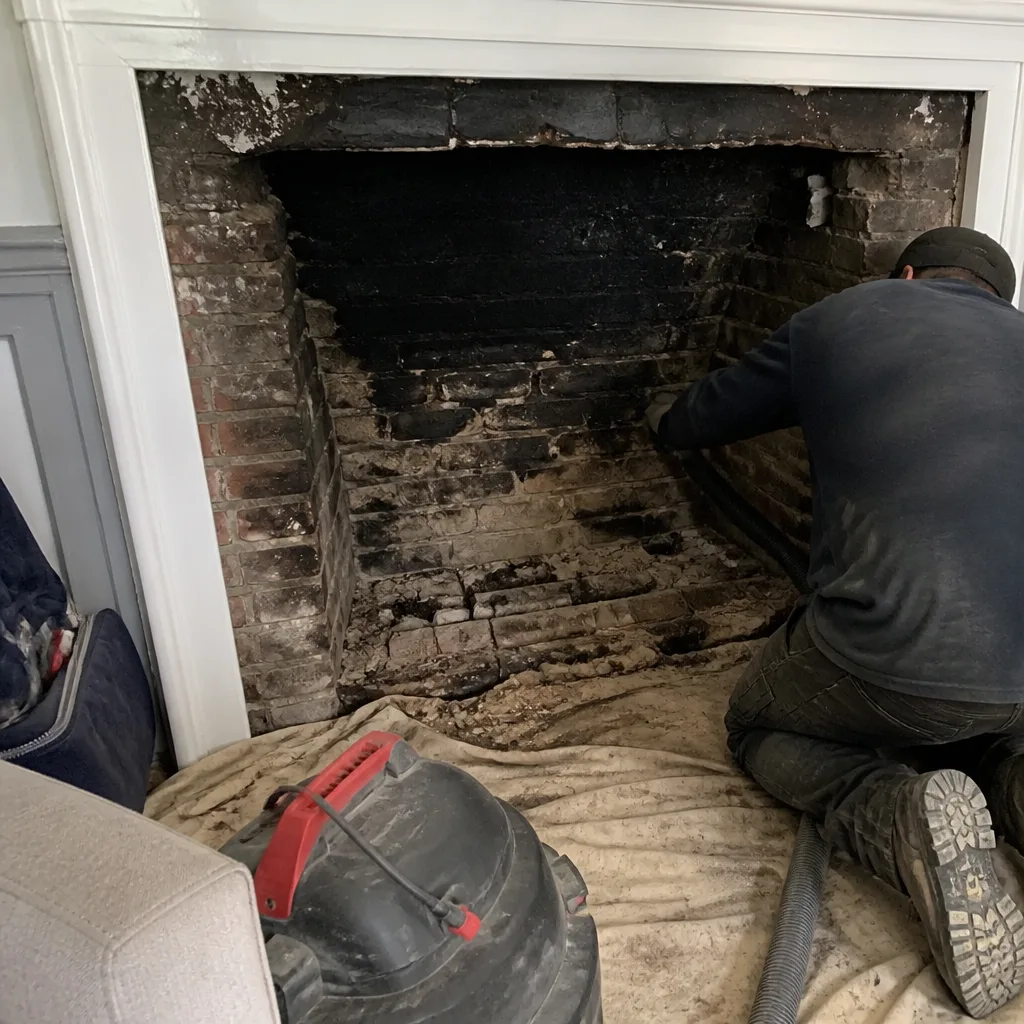 Before
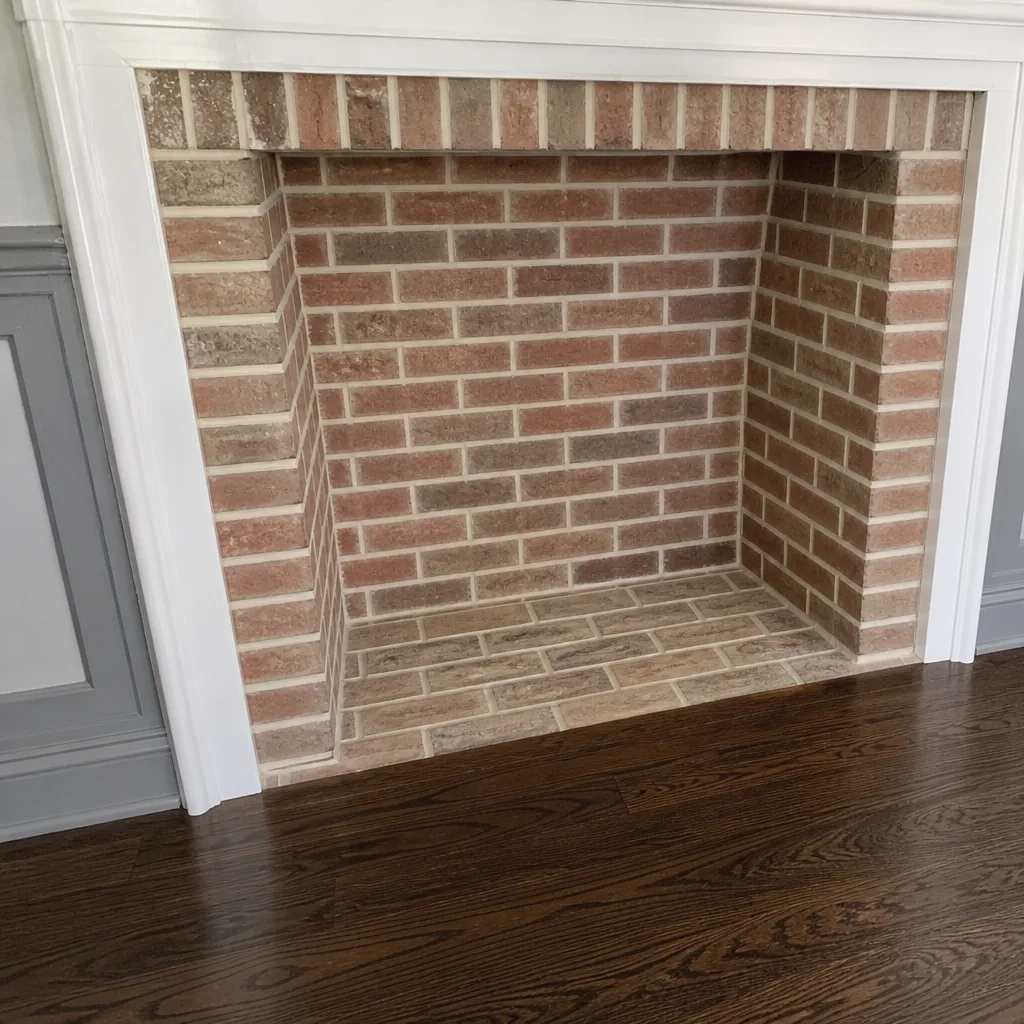 After
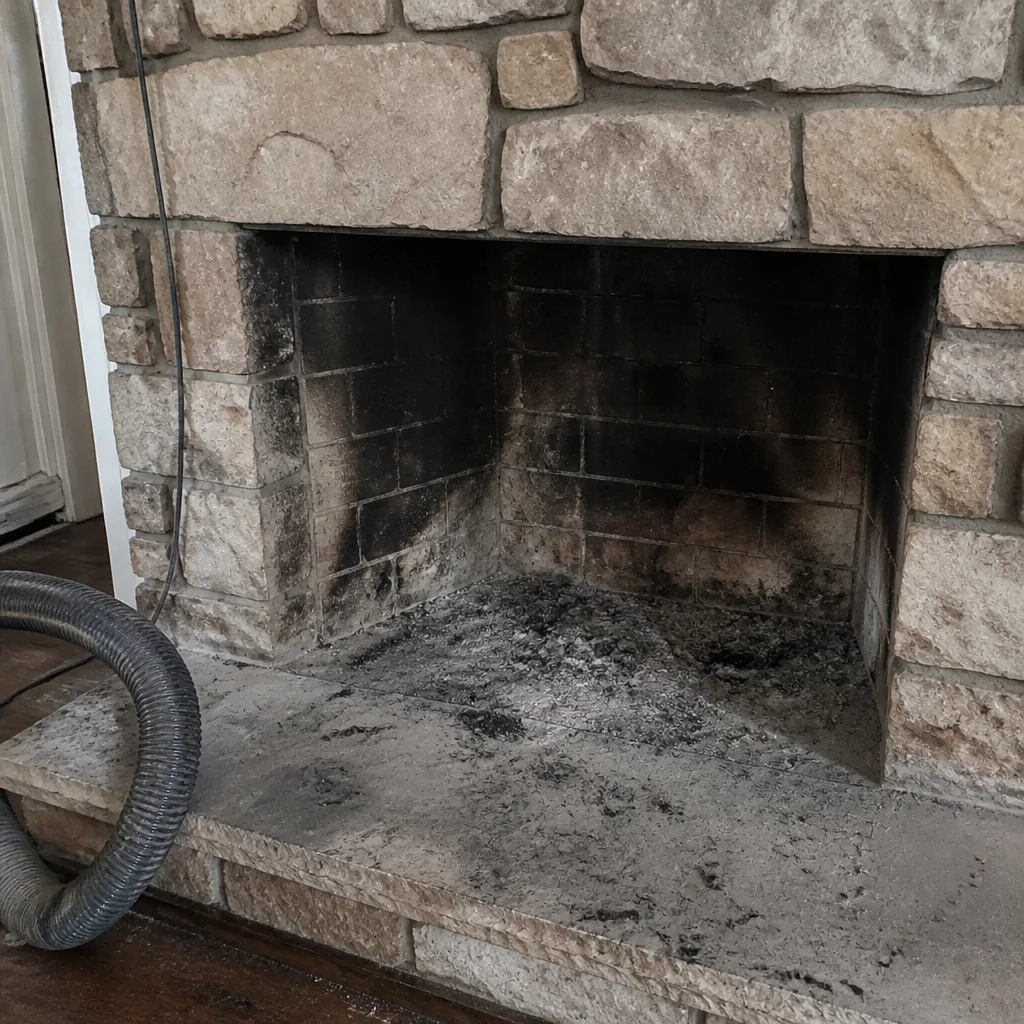 Before
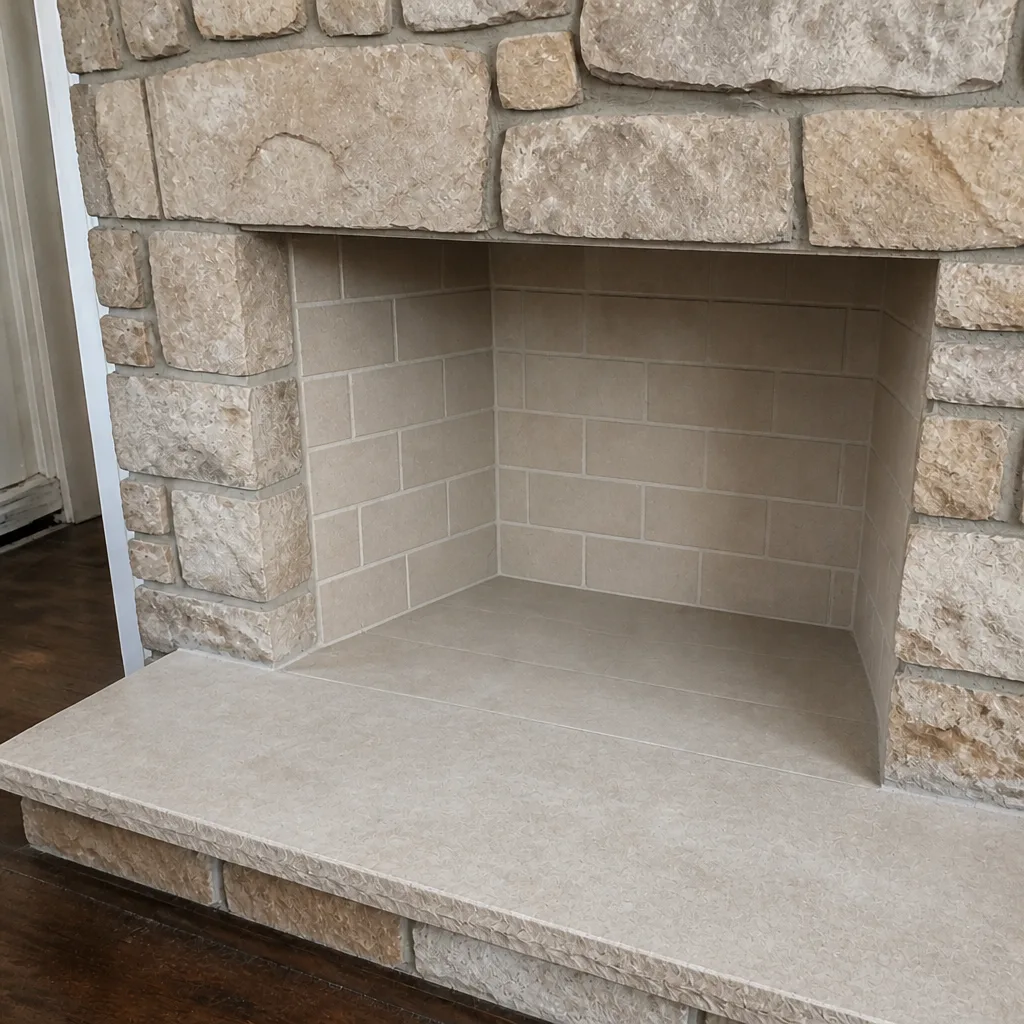 After
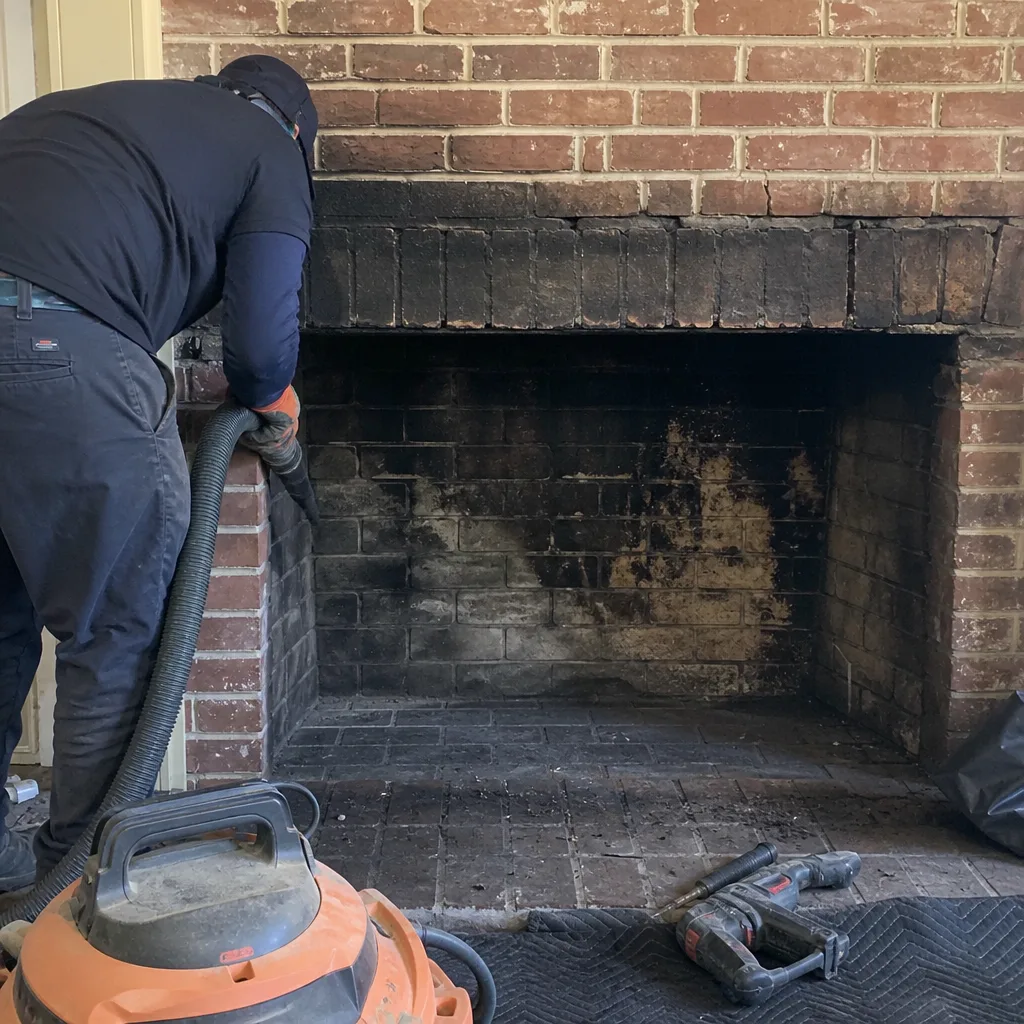 Before
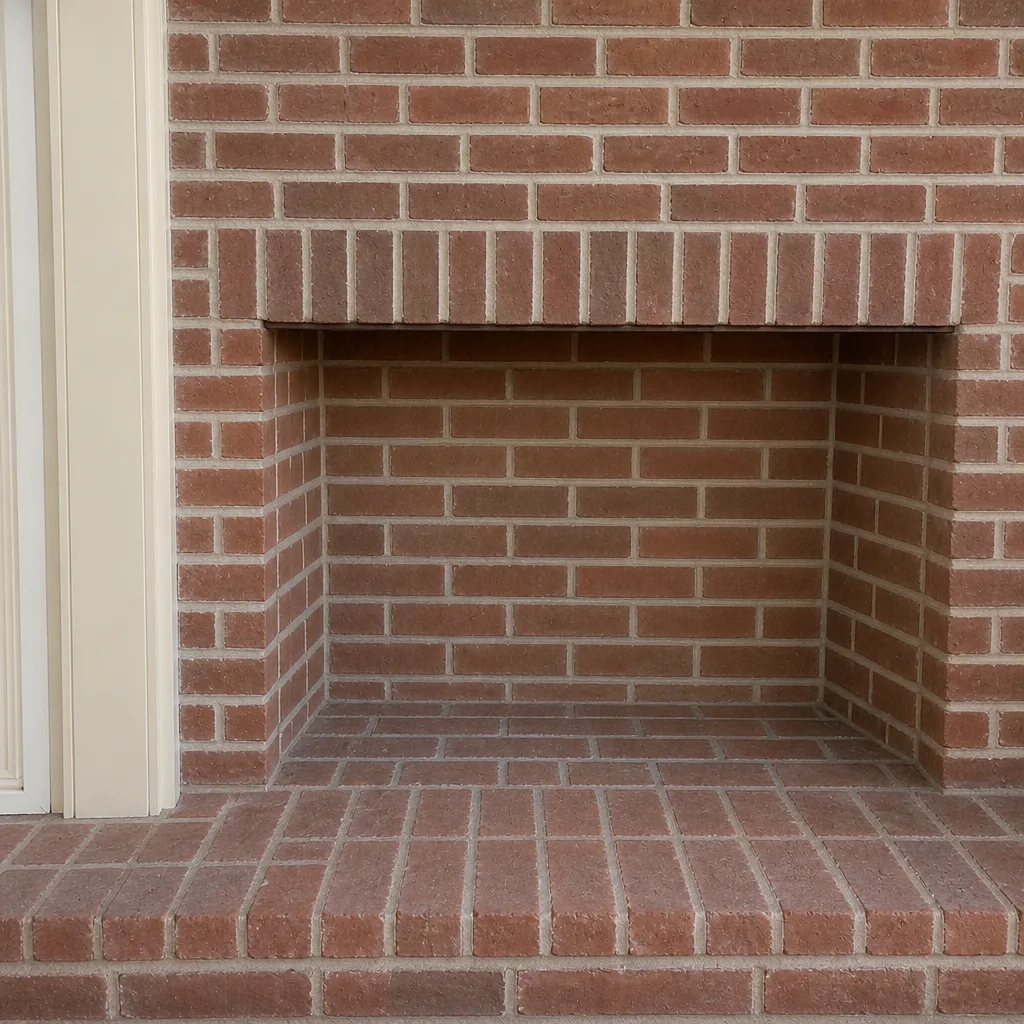 After
When to Call a Professional
Call a professional chimney specialist when you see any sign in the “do not operate until inspected” tier, when a persistent symptom hasn’t cleared after you’ve checked the obvious causes, or when an annual sweep is due on a fireplace you use regularly. Call immediately for a gas smell or a fire in the flue. For everything else, an inspection is the right first step, and it’s the honest starting point: nothing gets recommended without camera evidence you can see for yourself, and we’ll tell you plainly when work can safely wait. Chimney Sweep Hayes Barton offers free estimates in Hayes Barton. Call (855) 658-4229. We answer 24/7. Fast dispatch from 7am to 7pm, Sunday through Friday.
Frequently Asked Questions
Efflorescence on the exterior brick is the most common, followed by a strong creosote smell in warm weather. The white staining points to water intrusion through a failed crown or flashing; the smell points to leftover soot holding humidity. Both are best diagnosed with an inspection, and both are usually fixable once the cause is found.
Once a year for a fireplace in regular use, ideally after the burn season so the flue sits clean through the humid months. Heavy use can warrant an extra mid-season sweep. If you’re past due, call (855) 658-4229. We answer 24/7. Fast dispatch from 7am to 7pm, Sunday through Friday. Estimates are free.
No. Smoke rollback has four likely causes: a blockage, negative pressure from exhaust fans or a tight house, a cold flue on a cold start, or chimney geometry and wind behavior. Only the first calls for a sweep. Describing when the smoke appears (always, only with fans on, only on windy days) narrows it before a technician arrives.
A homeowner brush kit can remove loose soot but can’t inspect what’s underneath, and reaching into the flue to check a problem is a confined-space hazard. The part that matters most is the inspection, which needs a camera. A professional sweep plus inspection is the combination that catches problems early and confirms the flue is safe.
Not necessarily. If the flue surface is damaged early, HeatShield resurfacing can often restore it without a full reline, which is a restore-before-you-replace approach. A full reline is warranted when the liner is missing, badly compromised, or the wrong type for the appliance. The decision should follow camera evidence, not a sales pitch.
A musty smell without a visible exterior stain can still mean water is inside the flue, firebox, or smoke chamber. It’s a sign of moisture rather than soot. An inspection with a camera identifies where the water is entering, and the fix is usually a crown, cap, or flashing correction. Call us for a free estimate in Hayes Barton.
Yes. A cap that’s blocked with debris, crushed, or the wrong size restricts draft and makes the fire sluggish. A missing cap lets rain and animals in, which is a different problem (water and obstruction). Either way, the cap is worth checking, and cap and crown work is one of the repairs we handle as a specialist.
The Bottom Line
Chimney warning signs are rarely dramatic, and that’s what makes them easy to misread. White staining means water is moving through your masonry. A musty smell means it’s already inside. Firebox cracks and failing mortar mean the firebox may not safely contain a fire. Draft problems mean the pressure or geometry surrounding the flue has changed. Read the signs accurately, tier them honestly (schedule soon, stop until inspected, or call immediately), and describe them specifically when you call. The right first step for almost everything in this guide is an inspection with camera evidence, and the right specialist is one who works chimneys and fireplaces only, from the firebox to the crown. If you’d like that conversation, call Chimney Sweep Hayes Barton at (855) 658-4229 for a free estimate in Hayes Barton.
Written by the team at Chimney Sweep Hayes Barton.